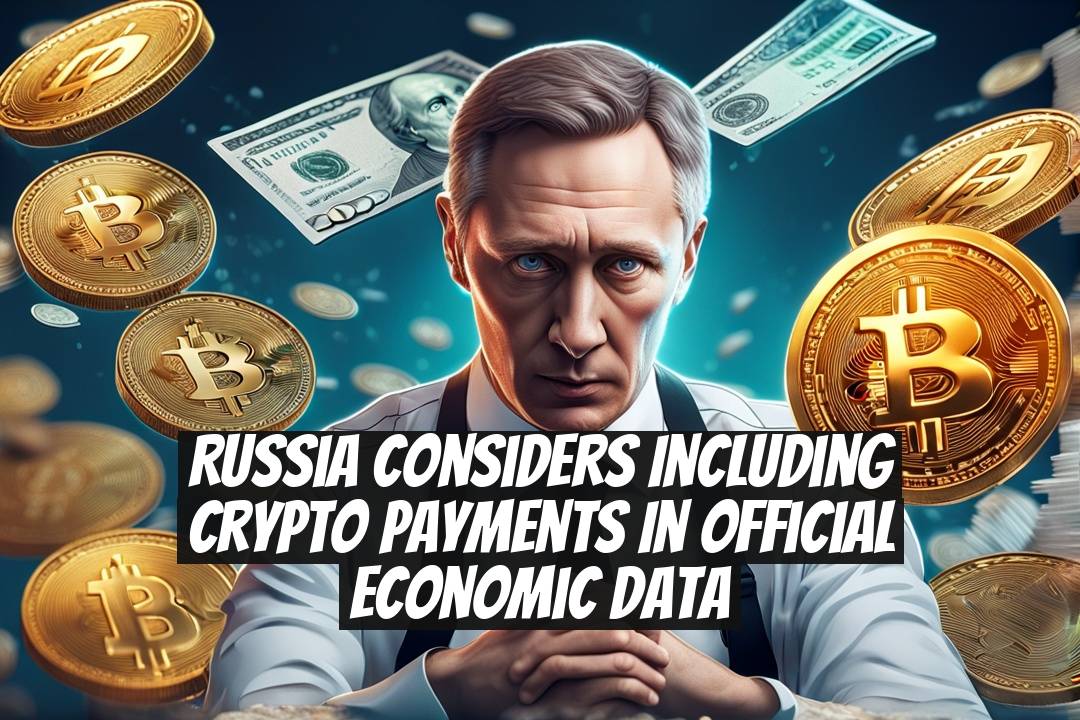
What If Your Crypto Was Counted Like Gold?
Imagine a world where your Bitcoin or Ethereum isn’t just a digital asset, but a recognized part of a country’s economic backbone-tracked, measured, and even celebrated like oil, gold, or wheat. That’s exactly what’s happening in Russia right now. The country is moving to include crypto payments in its official economic data, specifically its balance-of-payments statistics. This isn’t just a minor tweak; it’s a seismic shift that could ripple through the global crypto market, reshape how nations view digital assets, and even change the way you think about your own crypto investments.
Russia’s decision to bring crypto into the spotlight of its economic reporting is more than just a regulatory update-it’s a bold statement that digital assets are no longer just a niche interest but a legitimate force in the global economy. With crypto mining now accounting for nearly 16% of the world’s Bitcoin hashrate and generating millions in daily revenue, Russia is treating crypto like a “hidden export” that’s been flying under the radar for too long. This move is not only about transparency but also about positioning Russia as a leader in the digital asset revolution.
Key Takeaways
Subscribe to our Social Media for Exclusive Crypto News and Insights 24/7!
- Russia is officially including crypto payments in its balance-of-payments data.
- Crypto mining is now seen as a major export, with Russia controlling almost 16% of global Bitcoin mining.
- This shift could influence other countries to follow suit, reshaping global crypto trade and mining dynamics.
- For investors, this means greater legitimacy and potential for increased adoption and value in the crypto market.
? Russia’s Crypto Revolution: From Hidden Export to Economic Pillar
Russia’s journey with crypto has been a rollercoaster. Once viewed with suspicion, the country is now embracing digital assets as a key part of its economic strategy. According to Maxim Oreshkin, a top aide to President Vladimir Putin, crypto should be reflected in Russia’s balance-of-payments statistics because it’s already playing a significant role in the country’s economy. Oreshkin called Bitcoin mining an “undervalued export sector,” highlighting that Russian companies are not only mining Bitcoin but also using it for cross-border payments and selling it for profit. This activity is having a tangible impact on the foreign exchange market, yet it’s been largely invisible in official data until now.
The numbers speak for themselves. Russia controls about 15.5% to 16% of the global Bitcoin hashrate, second only to the United States. In 2023, Russian miners produced around 54,000 BTC, and in 2024, despite the Bitcoin halving, they still managed to mine about 35,000 BTC. The daily revenue from mining is estimated at $12.9 million, and Russian companies have invested over $1.3 billion in mining infrastructure, including data centers, electricity, and hardware. This isn’t just a hobby; it’s a full-blown industry that’s boosting national revenue and strengthening Russia’s global economic presence.
? Why Is Russia Doing This? The Bigger Picture

So, why is Russia making this move now? The answer lies in the changing landscape of global trade and finance. With sanctions still in place, Russia has been forced to find new ways to conduct cross-border transactions. Crypto has become a flexible and resilient tool for trade, allowing Russian companies to bypass traditional financial channels and maintain economic activity. By including crypto payments in its official data, Russia is not only acknowledging the reality of how its economy works but also sending a message to the world: digital assets are here to stay.
This shift is also about legitimacy. By treating crypto mining as a formal export sector, Russia is giving the industry the recognition it deserves. This could lead to more investment, better regulation, and greater innovation in the crypto space. For investors, this means that crypto is no longer just a speculative asset but a real part of the global economy with real economic impact.
? What Does This Mean for the Global Crypto Market?
Russia’s move could have far-reaching implications for the global crypto market. First, it could encourage other countries to follow suit and start including crypto in their economic data. This would make the crypto market more transparent and could lead to greater adoption and acceptance of digital assets worldwide. Second, it could reshape the global distribution of mining power. As Russia legitimizes its mining industry, it could attract even more investment and talent, further solidifying its position as a mining powerhouse.
For investors, this means that the crypto market is becoming more mature and stable. With more countries recognizing the economic value of crypto, the market is likely to see increased liquidity, reduced volatility, and greater institutional participation. This could be a game-changer for anyone looking to invest in crypto, whether you’re a seasoned trader or a curious newcomer.
? Practical Tips for Investors
If you’re an investor, here are a few practical tips to keep in mind as Russia and other countries start to include crypto in their official economic data:
- Stay Informed: Keep an eye on regulatory developments in major economies. Changes in how countries treat crypto can have a big impact on the market.
- Diversify: Don’t put all your eggs in one basket. Consider investing in a mix of established cryptocurrencies and emerging projects.
- Think Long-Term: The crypto market is still evolving, and changes like Russia’s move could lead to new opportunities. Focus on long-term trends rather than short-term fluctuations.
- Be Patient: The road to mainstream adoption is bumpy, but the potential rewards are worth it. Stay patient and keep learning.
? Personal Insights: What This Means for You
As a crypto analyst, I see Russia’s move as a turning point for the industry. It’s not just about one country; it’s about the global recognition of crypto as a legitimate economic force. This could open up new opportunities for investors, entrepreneurs, and innovators around the world. For me, it’s exciting to see how far we’ve come and to imagine where we’re headed next.
But it’s also a reminder that the crypto market is still young and unpredictable. While the future looks bright, there are still challenges to overcome, from regulation to security. As an investor, it’s important to stay informed, be cautious, and always do your own research.
? The Future of Crypto: What’s Next?
Russia’s decision to include crypto payments in its official economic data is just the beginning. As more countries recognize the value of digital assets, we could see a wave of innovation and adoption that transforms the global economy. For investors, this means new opportunities, new risks, and new ways to think about money.
So, what do you think? Is crypto the future of global trade, or is this just another bubble waiting to burst? The answer is still unfolding, but one thing is clear: the world of crypto is changing fast, and those who stay ahead of the curve will be the ones who thrive.
russia crypto payments
balance of payments crypto
russia crypto mining
[2] https://www.fastbull.com/news-detail/russia-to-include-crypto-payments-in-balanceofpayments-data-news_6100_0_2025_4_14515_3/6100_BTC-USDT
[3] https://whale-alert.io/stories/8e672f4db182/Russia-to-include-crypto-payments-in-balance-of-payments-data-as-mining-called-a-hidden-export
[4] https://www.binance.com/en-TR/square/post/12-04-2025-russia-s-bitcoin-mining-gains-attention-as-an-export-asset-33244990106682
[5] https://www.dlnews.com/articles/markets/putin-aide-says-crypto-belongs-in-russias-trade-books/
[6] https://bitcoinmagazine.com/news/vtb-to-open-russias-first-bank-run-bitcoin
[7] https://www.tradingview.com/news/coinpedia:08d2b5cc2094b:0-putin-adviser-demands-crypto-in-russia-s-trade-data-calls-bitcoin-a-hidden-export/