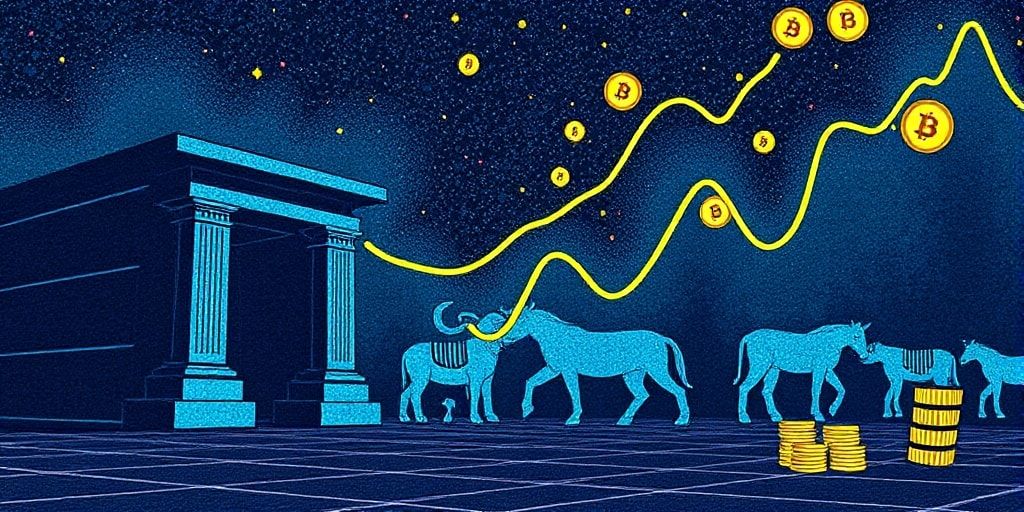
That sinking feeling - and how not to be the one left holding the towel
NFT and Crypto Rug Pulls: What Investors Should Watch For is the single phrase you should have front-of-mind every time you click “buy” on a new token or mint a fresh NFT drop - because rug pulls haven’t gone away; they’ve evolved, got sneakier, and exploit new market mechanics as the space matures.[1][3]
Key Takeaways
Key Takeaways
Subscribe to our Social Media for Exclusive Crypto News and Insights 24/7!
- Rug pulls still happen in both NFTs and tokens - they range from immediate liquidity drains to long-con plays that end in an exit scam.[1][3][4]
- Watch on-chain signals (liquidity movement, team wallet concentration), exchange data (orderbook depth, token listings), and market-structure indicators (dominance shifts, ADX, liquidation clusters) for early warnings.[4][5][7]
- Audits, tokenomics transparency, proven team reputations, and realistic liquidity-lock mechanisms reduce but don’t eliminate risk; technical red flags in smart contracts (honeypots, hidden mints, sell-blockers) are often the smoking gun.[4][1]
Why this matters (and fast): rug pulls don’t only vaporize retail cash - they wreck reputations, chill venture flow, and create systemic narrative risk that spikes volatility across correlated markets - especially small-cap alt seasons when whales rotate capital.[5][4]
What a rug pull actually looks like - mechanics, flagged
- Liquidity drain (classic): developers create a token paired to ETH/BNB on a DEX and later remove liquidity from the pool, leaving token holders with worthless assets.[3][5]
- Honeypot / sell-block: contract code lets buys happen but blocks sells, trapping traders’ funds in the token.[4][1]
- Hidden mint / rug-as-a-service: devs include functions allowing unlimited minting or stealth transfers to siphon balances.[4]
- Social engineering + influencer pump: coordinated hype inflates price rapidly (0 → 50x in hours is a classic red flag), then insiders dump.[5]
- Gradual exit / ghost-team: long con where team slowly siphons funds or sells over time while maintaining a facade of development.[1][7]
Signals to watch - on-chain, exchange, and technical
- Team wallet concentration: if a few addresses hold a large share of supply, you’re exposed; those wallets moving tokens to DEX LPs or bridges often precedes a rug.[5][4]
- Liquidity locking vs. false renunciation: “locked liquidity” that’s actually time-locked by a third party is better than nothing, but fake renunciation of ownership functions in a contract still lets devs call sensitive methods.[4][1]
- Rapid price spikes + shallow orderbook: coins that moon on thin liquidity are classic pump targets; check DEX depth and slippage before buying.[5][3]
- Honeypots & code smells: functions setting sellFee to 100%, hidden maxTx, or modifiers that alter balances are contract tripwires.[4][1]
- Wallet labels and social history: is dev team anonymous? Do core members have verifiable on-chain history or external profiles? Lack thereof raises odds of exit scam.[7][5]
Live-data habits every smart investor should adopt
- Watch liquidity movements on-chain in real-time (Etherscan, BscScan) - big LP withdrawals are the “oh no” indicator.[4][5]
- Track token concentration and transfers from team addresses; alerts help (many analytics desks will push these).[4]
- Use CoinMarketCap/TradingView to check market-cap vs. liquidity and to overlay indicators like ADX (trend strength) and RSI (overbought themes).[5]
- Monitor funding and open interest on derivatives platforms: sudden spikes and liquidation cascades can amplify a rug’s damage by forcing margin sellers into fire-sales.[5]
Example mechanics: ADX + dominance + liquidation cascade (a walkthrough)
Imagine small-cap token X rallies while BTC dominance dips and alt dominance spikes, momentum shows a high ADX reading - trend strong, but crowd is speculative. Whales rotate from BTC into X; orderbook is thin. An insider sell into that euphoria starts a cascade: momentum flips, ADX remains high (trend just switched), stop-losses trigger, liquidations push price lower, DEX slippage explodes, and any developer-held LP tokens can be pulled - liquidity evaporates and token price collapses to near-zero.[5][4] You’ve seen this before - pump, trickle-sell, cascade, rug.
Historical and human vignettes
- Back in the alt-bubble cycles, projects that doubled/tripled within hours often ended badly; CoinMarketCap defines this rapid “0 → 50x” behavior as a classic rug-pull pattern.[5]
- Anecdote: Back in 2022, a holder held ADA through a 60% dump. It was brutal. But that taught him one thing - long-term macro conviction beats meme-FOMO. That lesson doesn’t stop rug pulls, but it helps you zoom out when every Shiba and memecoin screams “TO THE MOON.”[5]
Audit docs, due diligence, and why audits aren’t magic
- Audits reduce risk by surfacing vulnerabilities, but they’re not a certificate of safety - auditors vary in rigor and scope; not all audits review for malicious privileged functions (hidden mints, owner-only drains).[4][1]
- Verify audit firm reputation and scope. A cursory “passed” badge means little if the audit didn’t inspect ownership and admin functions.[4]
- Bank-level or institutional research (and exchange reports) often provide macro context on liquidity cycles and regulatory pressure, which change incentive structures for bad actors.[7]
Pro tips from traders and an analyst’s take
- “If the team won’t reveal verifiable identities, don’t seed early,” said a trader I spoke to who’s seen enough exit scams to sound jaded; “this looked eerily like 2021’s blow-off top.”[5][7]
- My experience: prioritize projects with multi-sig timelocked liquidity, transparent vesting schedules, and low team allocation in circulating supply - those three reduce the most common exit vectors.[4][5]
- Use alerts for LP withdrawals and abnormal token mint activity; automated watches catch what your HODL heart ignores.
Checklist before you click buy (short & bitter)
- Read the contract: any owner-only mint, sell-block, or hidden swap? Red flag.[4][1]
- Who holds supply? Top 5 wallets > 30%? Approach cautiously.[5]
- Is liquidity genuinely locked? Who holds the key? Time-lock contracts are better than “we renounced” tweets.[4]
- Are social channels full of bot comments and paid influencers praising moon? Smells like coordinated hype.[5][3]
- Does the token have real utility or on-chain activity beyond swaps? Real usage matters.[7][5]
How to survive if the rug’s already pulled
- First, don’t panic-sell into a falling market without checking on-chain flows - you might be triggering a cascade.[4][5]
- Preserve gas and patience: many abused tokens are delisted; wallets with NFTs can still hold off-market value if metadata + royalty systems survive.
- Report suspicious contracts and wallets to explorers and analytics firms to help contemporaneous blacklisting.[1][7]
Useful analytics & chart sources to integrate into your routine
- CoinMarketCap token pages for market cap vs. liquidity comparisons and historical volume context.[5]
- TradingView to overlay ADX, RSI, and visualize market structure and dominance cycles.[5]
- On-chain scanners (Etherscan/BscScan) and analytics dashboards for top-holder concentration, LP changes, and contract events.[4][1]
A closing, candid thought
You’ll never eliminate fraud entirely. But you can stack the odds in your favor by reading code, watching liquidity, respecting tokenomics, and not getting swept up by influencer FOMO. The whales ain’t sleeping, fam. They’re rotating. If you want to play in small-cap alts or NFT drops, learn the rug signals like your P&L depends on them - because it does.[4][5][7]
NFT Drop Safety
Smart Contract Audit Checklist
Liquidity Lock Best Practices
1. https://www.kaspersky.com/resource-center/preemptive-safety/nft-rug-pulls
2. https://crypto.com/us/glossary/rug-pull
3. https://www.soliduslabs.com/post/rug-pull-crypto-scams
4. https://coinmarketcap.com/academy/glossary/rug-pull
5. https://www.coinbase.com/learn/tips-and-tutorials/what-is-a-rug-pull-and-how-to-avoid-it