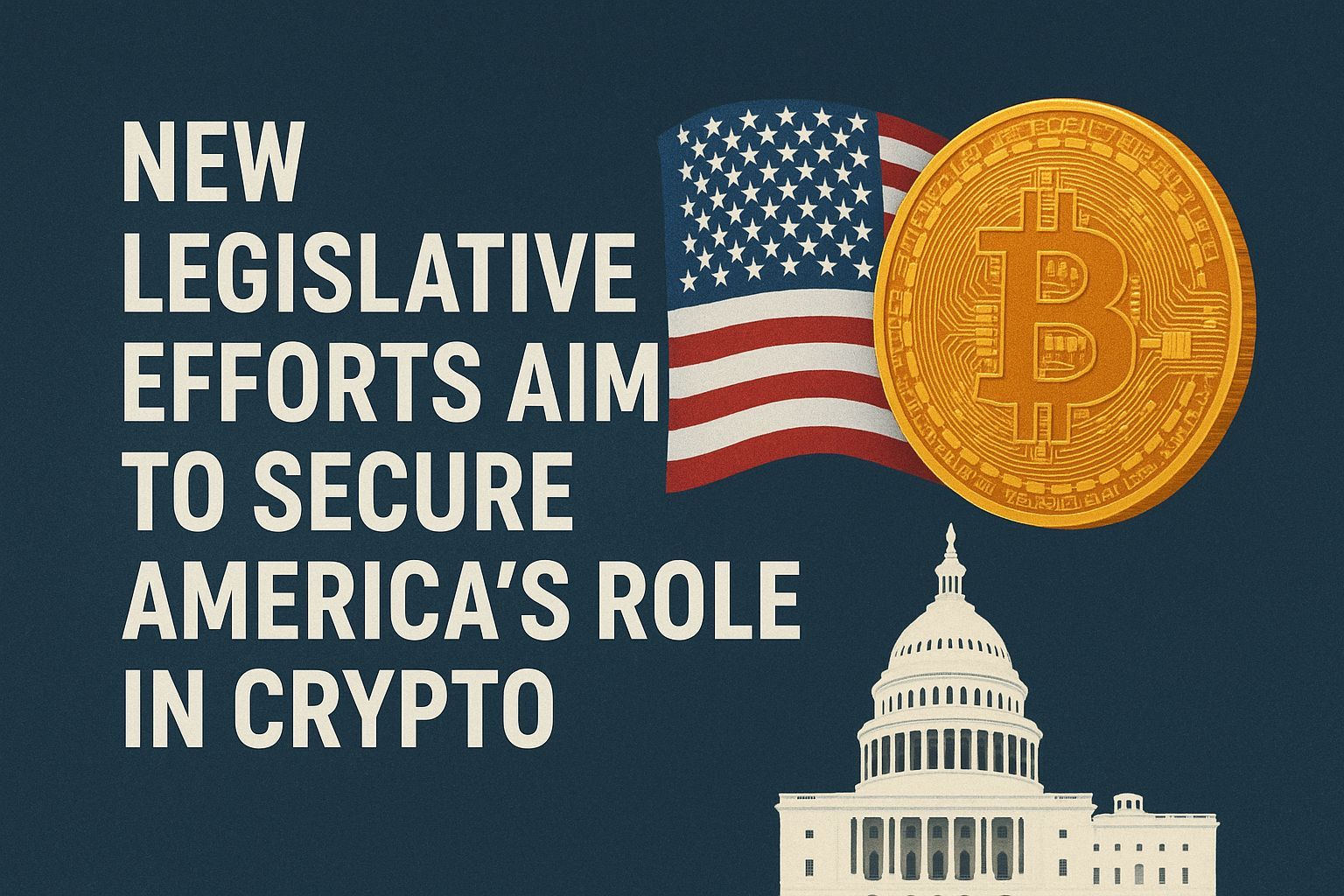
The CLARITY Act: Why Washington’s Crypto Regulation Push Just Hit a Speed Bump
Where America’s Digital Asset Future Hangs in the Balance
The crypto industry thought 2026 would be the year everything changed. After notching massive legislative wins in 2025-including the House passing the Digital Asset Market CLARITY Act over summer-the sector believed regulatory clarity was finally within reach. Then January happened.[1][2]
The Senate Banking Committee abruptly postponed a crucial vote on the CLARITY Act, the sweeping legislation designed to establish a comprehensive federal framework for digital assets and determine which agencies regulate what.[2] That’s the headline. But here’s what actually matters: this isn’t game over. It’s a plot twist that reveals exactly how messy U.S. crypto regulation gets when ideals meet reality.
Key Takeaways: What You Need to Know Right Now
- The Senate delayed the CLARITY Act markup with no new date announced, following industry pushback over stablecoin yield provisions.[1][2]
- Coinbase CEO Brian Armstrong publicly withdrew support for the revised bill, calling it worse than no legislation at all.[1][3]
- The core dispute centers on whether crypto platforms can offer yields on stablecoins-a rule the banking lobby fiercely opposes.[1]
- Despite the setback, blockchain lobbyist Ron Hammond estimates a 40% chance the bill still passes, saying it retains “momentum.”[1]
- The Senate Agriculture Committee separately scheduled its own markup for late January to handle CFTC-related portions.[2]
The Stablecoin Problem That’s Holding Everything Hostage
You’ve probably heard the term “stablecoin,” right? Think of it as crypto’s bridge to the real world-digital coins like USDC pegged to the dollar. Boring stuff on the surface. Except it’s not, because right now, stablecoins are the reason crypto’s biggest legislative moment is frozen in place.
Subscribe to our Social Media for Exclusive Crypto News and Insights 24/7!
Here’s the tension: Coinbase and other exchanges want to pay yields-basically interest-to customers holding stablecoins. It sounds reasonable. Your bank pays interest on savings, so why shouldn’t crypto platforms? Because, according to banking groups and a bipartisan coalition of senators, stablecoin yields could trigger a deposit flight from traditional banks.[1][4]
The GENIUS Act, passed earlier, explicitly prohibited stablecoin issuers from paying interest directly. But here’s where it gets clever-and why lawmakers are freaking out. Crypto companies could technically pay yields indirectly through affiliated third parties, essentially working around the spirit of the rule.[4] That loophole is what’s got everyone fighting.
“The question is, how far can they bend this bill before it breaks?” Ron Hammond asked publicly.[1] That’s not just rhetoric. That’s the actual constraint Congress is grappling with.
What the CLARITY Act Actually Does (And Why It Matters)

Let’s cut through the noise. The CLARITY Act isn’t some vague “be nice to crypto” bill. It’s technical, specific, and frankly, it’s the framework the industry has been begging for since literally forever.[2]
The legislation would:
- Split regulatory authority between the SEC and CFTC based on asset classification, ending the current “regulation by enforcement” regime where agencies make it up as they go[2]
- Create statutory standards for digital commodity issuers, replacing years of gray-area interpretation[2]
- Establish clear rules for blockchain systems, including requirements around mature blockchain architecture[5]
- Define what counts as a digital commodity versus a security, resolving one of crypto’s thorniest classification debates[5]
This isn’t academic. Right now, crypto companies operate in a fog. The SEC sued Coinbase. The CFTC went after exchanges. Nobody knows the actual rules because Congress never wrote them down. The CLARITY Act would change that.[2]
The Political Reality Check: 40% Odds Aren’t Nothing

Here’s where things get interesting. Ron Hammond-a longtime blockchain lobbyist who’s been in this fight for years-told Fortune he’s genuinely more optimistic than most of his peers.[1] His assessment? 40% chance this passes.
That might sound pessimistic. But in legislative terms, 40% for a controversial financial bill in a divided Congress? That’s not terrible. Especially when you consider the bill’s trajectory: it passed the House in summer 2025 during “Crypto Week,” maintained bipartisan support through the Senate Banking Committee’s initial work, and still has enough momentum that leadership is talking about “preserving negotiations” rather than abandoning the effort.[2]
The delay itself is telling. When the committee could’ve killed the bill outright, they didn’t. They pushed pause. That’s different.[2]
The Illicit Finance Wildcard Nobody’s Talking About

While everyone’s focused on stablecoin yields, there’s a second battle brewing that’s actually more serious: illicit finance concerns.
Crypto remains a pathway for bad actors-drug traffickers, terrorists, money launderers-to move money through unhosted wallets and decentralized finance platforms.[4] Congress sees this as a problem the CLARITY Act needs to solve. The banking lobby sees it as a reason to restrict crypto more broadly.
This isn’t theoretical. It’s a real tension between innovation and security that the legislation has to thread. Get it wrong, and you’ve either created a system criminals exploit or one so restrictive that legitimate innovation moves offshore.[4]
What Happens Next (And Why Timing Matters)
The Senate Agriculture Committee-which handles CFTC jurisdiction-scheduled its own markup for late January.[2] That’s actually strategic. It keeps the legislative machinery moving even while Banking Committee negotiations continue.
The real question is whether a compromise emerges that doesn’t make the bill “worse than no bill,” as Armstrong argued.[1] That means finding a middle ground on stablecoin yields that satisfies both the banking lobby’s deposit-flight concerns and the crypto industry’s need for competitive features.
Hammond said it plainly: “In politics, it’s everything” when it comes to momentum.[1] And right now, the CLARITY Act still has it. Delayed doesn’t mean dead.
- https://fortune.com/2026/01/22/key-crypto-bill-clarity-act-senate-banking-committee-ron-hammond/
- https://blockchain.bakermckenzie.com/2026/01/16/the-clarity-act-delay-and-what-it-reveals-about-u-s-crypto-regulation/
- https://www.youtube.com/watch?v=pFG10T3Gva4
- https://bpi.com/4-things-to-know-about-crypto-market-structure-legislation/
- https://www.congress.gov/bill/119th-congress/house-bill/3633/text