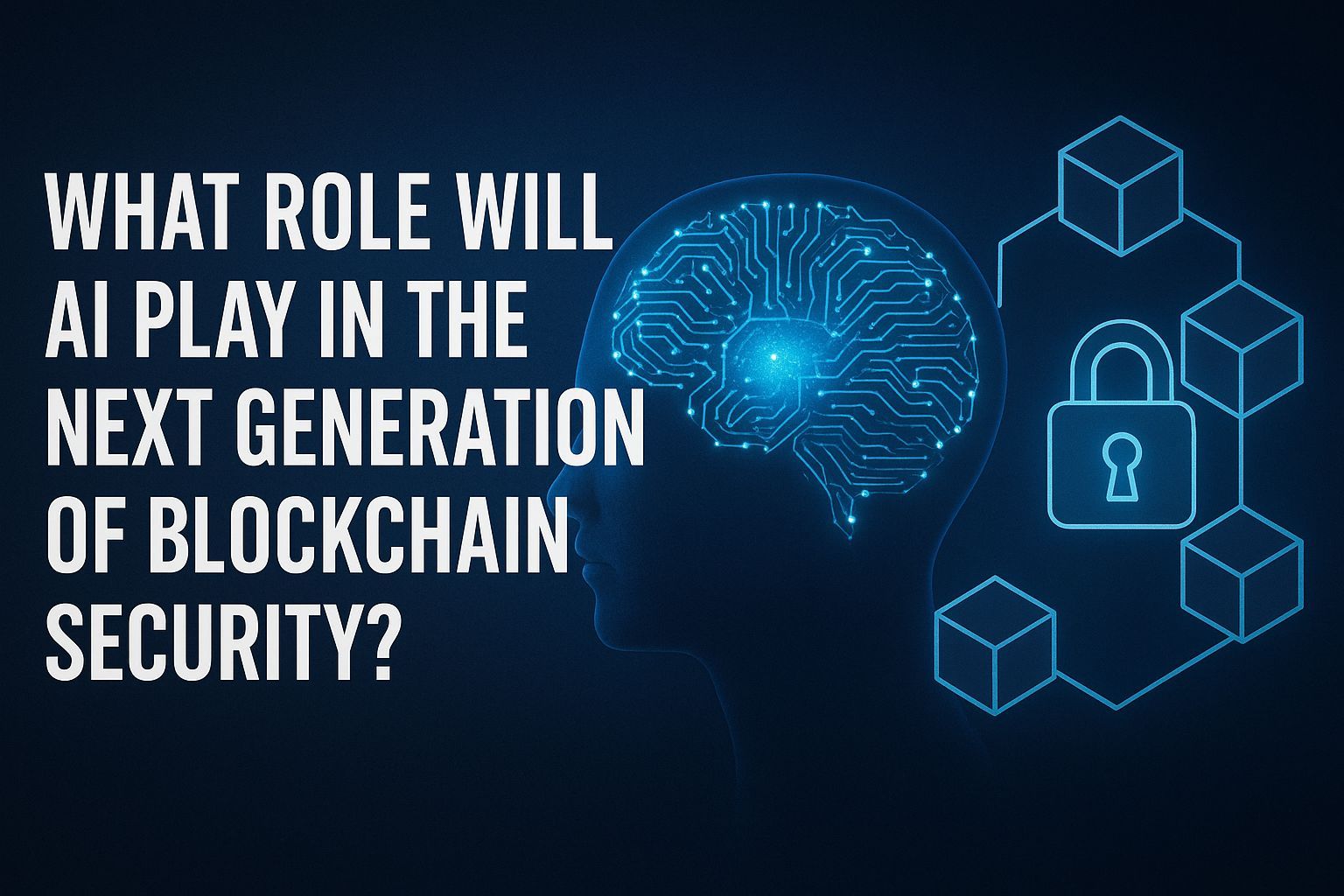
AI’s Stealthy Takeover of Blockchain Defense
Picture this: you’re HODLing through a DeFi rug pull, heart racing as funds vanish-then AI swoops in, sniffing out the scam before it bites. That’s the vibe in 2026. AI’s role in next-gen blockchain security? It’s evolving from sidekick to sheriff, powering anomaly detection, smart contract audits, and fraud busts that make old-school hacks look prehistoric.[1][2]
Key Takeaways
- Real-time threat hunting: AI flags fraudulent txns instantly, slashing false positives by 40% vs. rule-based systems.[2]
- Market boom: AI-blockchain security tools exploding, fueled by DeFi regs and cyber threats-North America leads, Asia-Pacific sprints ahead.[2]
- Privacy shield: Paired with zk-proofs and PQC, AI fortifies chains against quantum doom and AI-augmented attacks.[3][4]
- No BS hype: Enterprise smart contract adoption up 42% yearly, thanks to AI automation.[2]
Subscribe to our Social Media for Exclusive Crypto News and Insights 24/7!
Anomaly Detection: AI’s Eagle Eye on Chains

Hey, you’ve seen those “oops, wallet drained” horror stories, right? AI changes the game. It dives into blockchain data with machine learning and graph analytics, spotting weird patterns-like a whale rotating funds funny or a smart contract with backdoors-in real-time.[1][2] Chainalysis, teaming with Deloitte back in ’23, rolled out AI analytics that predict and prevent fraud, now a staple for crypto compliance.[2] Honestly, without this, DeFi’s just a hacker playground.
Think automated decision-making for on-chain txns. AI doesn’t just watch; it blocks shady moves before settlement. And get this: over 68% of new DeFi setups now bake in AI risk scoring for AML/KYT regs.[2] It’s like giving your ledger a sixth sense.
Smart Contracts: From Buggy to Bulletproof

Smart contracts? They’re the backbone of DeFi, but one vuln and boom-millions gone. Enter AI auditing: it stress-tests code, optimizes execution, and cuts costs by automating the boring bits.[2] Implementation rates? Jumping 42% annually as orgs wise up.[2]
- Fraud intel boost: Predictive models flag illicit flows proactively.[1]
- Efficiency hack: Generative AI + LLMs refine audits, nailing novel attacks rule-based systems miss.[2]
Imagine deploying a contract that self-heals via AI governance. No more Plasma-style data availability fails-rollups win with zk-proofs, now AI-enhanced.[4] Whales ain’t sleeping; they’re stacking these tools.
Regulatory Heat Meets AI Armor

Stricter AML? AI’s got the sauce. It analyzes txns for red flags, turning compliance from chore to autopilot.[1][2] Financial crime intel on steroids, driven by crypto scrutiny.[2] UK Finance nails it: AI + blockchain transparency fights new-era cyberattacks head-on.[7]
But here’s the kicker-Sean Brizendine, blockchain researcher, predicts 2026’s “liability shift” from AI agent fraud forces cryptographically mandated KYA protocols.[3] High-value txns? They’ll need identity-bound tokens with audit trails. Brutal, but necessary. You’ve seen this before, right? Regs tighten, innovation adapts.
Quantum Threats: AI + PQC to the Rescue
Quantum computing lurking? ECDSA crumbles under Shor’s algorithm-private keys exposed from pubkeys.[4] But 2026 counter? Migration to Post-Quantum Cryptography (PQC) like lattice-based crypto and STARKs, which lean on hash functions Grover can’t fully wreck.[4]
AI amps this: Verifiable memory provenance via zk-proofs fights “poisoned AI memory” crises-attackers forging identities? Not anymore. Memory notaries emerge, timestamping AI interactions like SSL did for web trust.[3] Ethereum’s prepping PQC shifts now, ’cause blockchain’s forever-design for 20 years out.[4]
- Privacy stack: Orochi’s zkDatabase for crypto-AI agents, consent-aware data.[5]
- Trends: Robust encryption, decentralized ID protocols bridging TradFi-DeFi.[6]
The Privacy Paradox Unlocked
Blockchain’s transparent? AI + privacy tech flips it. Cryptographic privacy by default-Ethereum’s Kohaku, private Arbitrums-becomes enterprise must-have as AI threats erode old models.[3] Orochi maps 2026’s moats: PETs, cookieless analytics for cross-border compliance.[5] It’s an immune response, fam. Privacy ain’t optional; it’s survival.
Deep dive? Consensus like PoS + AI encryption keeps networks tamper-proof-hash changes scream foul.[1] No historical liquidation cascades here, but imagine SOL’s ’22 swan-dive: AI could’ve flagged the exit liquidity pre-crash.
- https://community.trustcloud.ai/docs/grc-launchpad/grc-101/compliance/blockchain-and-compliance-ensuring-transparency-and-security-in-2024/
- https://www.intelmarketresearch.com/global-artificial-intelligence-for-blockchains-forecast-market-26335
- https://www.ekmhinnovators.com/ekmh-innovators-blog-beta/predictions-2026-ai-fintech-cybersecurity-crypto-data
- https://dev.to/doraking/re-reading-blockchain-classics-in-2026-implementing-the-future-in-the-era-of-ai-quantum-d56
- https://orochi.network/blog/privacy-trends-2026-the-new-privacy-stack-for-crypto-ai-agents-and-global-compliance
- https://www.finextra.com/blogposting/30699/blockchain-and-crypto-trends-in-2026-bridging-the-gap-between-tradfi-and-defi
- https://www.ukfinance.org.uk/news-and-insight/blog/ai-blockchain-and-privacy-how-innovate-responsibly-in-2026