Ever Feel Like the Market’s Just Teasing You?
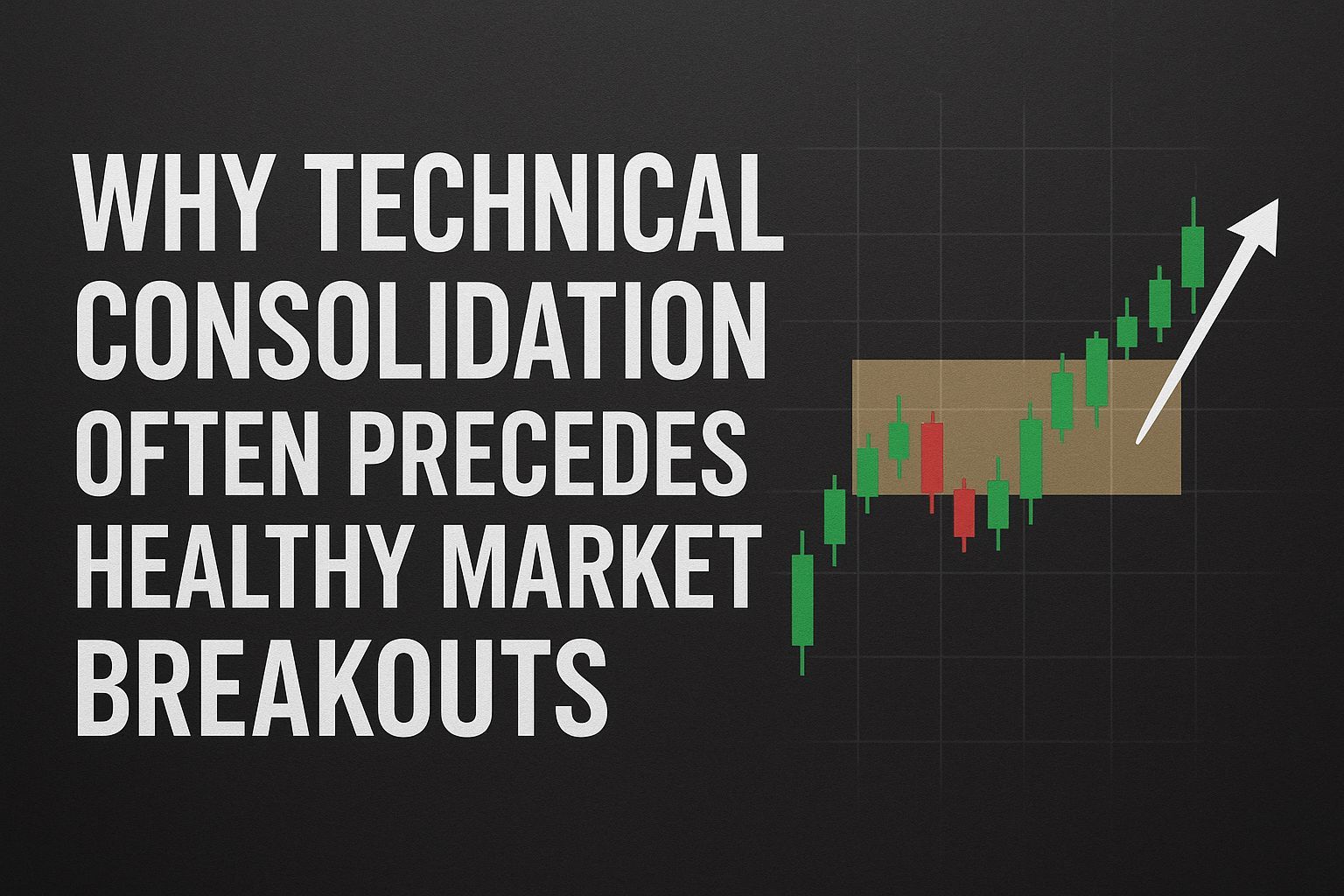
Technical consolidation often precedes healthy market breakouts in crypto, acting like a coiled spring before the big launch. You’ve seen it-prices chop sideways after a pump, building tension until volume explodes and it rips higher (or lower). It’s not random; it’s the market shaking out weak hands.[1][2]
Key Takeaways from the Charts
- Tight ranges signal opportunity: High-strength consolidations (70-100 score) on tools like TradingView’s indicators often explode into real moves, not fakes.[3]
- Volume is king: No surge? It’s probably a trap. Real breakouts need that trader commitment.[1][4]
- Patterns don’t lie: Flags, pennants, triangles-consolidation setups that confirm the prior trend’s comeback.[5][6]
- Avoid the suckers: Wait for closes beyond the range, or you’ll get whipsawed.[1][7]
Subscribe to our Social Media for Exclusive Crypto News and Insights 24/7!
Why Consolidation Feels Like Boredom, But Isn’t

Picture this: BTC just rocketed from $102k to $160k, hearts racing, FOMO everywhere. Then… crickets. Sideways chop between support and resistance. Boring? Sure. But it’s the market catching its breath, digesting gains, and lining up for the next leg.[2] Seasoned traders don’t bail-they wait. Why? Because consolidation weeds out the tourists, compressing volatility until it snaps. Think low ATR (Average True Range) screaming “expansion incoming.”[3]
You’ve seen this before, right? ETH teasing $3k resistance, bouncing like a rubber ball, forming that ascending triangle. Flat top, rising bottom-bullish continuation screaming “breakout soon.”[5] Without it, pumps fizzle. Honest.
Spotting the Real Deal: Tools That Don’t Lie
Don’t guess-use these bad boys from the pros:
- TradingView Range Analyzer: Scans for volatility compression, boundary tests, volume clusters. Score over 70? Explosive resolution likely. Bias >60%? Directional breakout pressure building.[3]
- Bollinger Bands Squeeze + MACD: Bands pinch tight (low vol), MACD line crosses signal-momentum confirmed. Histogram bars fattening? Game on.[4]
- Volume + MAs: Crossover with rising volume? That’s market participation, not a ghost town.[4]
Pro tip: Combine ’em. RSI overbought in a BB squeeze? Fade inside the range for mean reversion. Whales ain’t sleeping, fam-they’re stacking positions in these quiet zones.[3]
Historical Plays: When Consolidation Delivered (and When It Didn’t)
Back in those wild cycles, consolidation wasn’t just chit-chat-it set up monsters.
- Flag Breakouts Post-Pump: Sharp flagpole up, then tiny rectangle on low volume. Break with surge? Prior trend resumes hard. Think BTC flags in bull runs-healthy continuation after the breather.[5][6]
- Triangle Teases: Symmetrical ones converge like a powder keg. Multiple support/resistance touches, volume drying up-then boom. Ascending triangles? Flat resistance cracks bullish.[5]
- The Fakeout Trap: Wide ranges or no volume? Choppy noise, prone to liquidity sweeps. Counter-trend consolidations often reverse, shaking amateurs before the real move.[3][7]
Ever held through a pennant? Brutal watching it converge, but that breakout… chef’s kiss. Or the failed head-and-shoulders neckline break-volume spiked below, flipped the trend savage.[6] Lessons from the charts, not fairy tales.
Market Mechanics: What’s Cooking Under the Hood
Deep dive time. Consolidation builds dominance cycles-BTC dominance chops flat while alts consolidate, then one way or the other, power shifts. ADX (trend strength) dips low here-below 25 screams “no trend, range city.” But watch it climb post-breakout.[4 implied]
Liquidation cascades? Tight ranges stack stops at edges. False break one way triggers hunts, then reverses-classic shakeout.[7] Volume profiles reveal it: clusters near equilibrium mean institutions positioning for the snap.[3]
Analyst take straight from the source: “Professional traders look for a surge that accompanies the move, otherwise, the breakout is more likely to fizzle.”[1] Spot on. And TradingView pros note: “Ranges aligned with higher timeframe trends often resolve in the dominant direction.”[3] Eerily like 2021’s mid-bull consolidations feeding the blow-off.
Question for you: Imagine stacking SOL in that 2022 range-brutal dumps testing support. But it held, consolidated, then mooned. Patience pays, yeah?
Your Edge: Risk It Right or Eat Dust
Disciplined entries only-wait for candle closes outside the range, retest as new support. Stops tight, position size sane.[1][6] Crypto’s volatile AF, so false breaks love to punk you. But healthy ones? Volume-confirmed, pattern-backed-they’re your green lights.
Bottom line: Next time prices go flat, grin. It’s not dead-it’s loading.
- https://tradefundrr.com/consolidation-breakout-strategy/
- https://changehero.io/blog/consolidation-in-crypto-meaning/
- https://in.tradingview.com/scripts/consolidation-breakout/
- https://bitsgap.com/blog/best-indicators-for-identifying-crypto-breakouts
- https://trakx.io/resources/insights/technical-analysis-in-crypto-guide/
- https://capital.com/en-eu/learn/trading-strategies/breakout-trading
- https://tradeciety.com/how-to-trade-consolidations