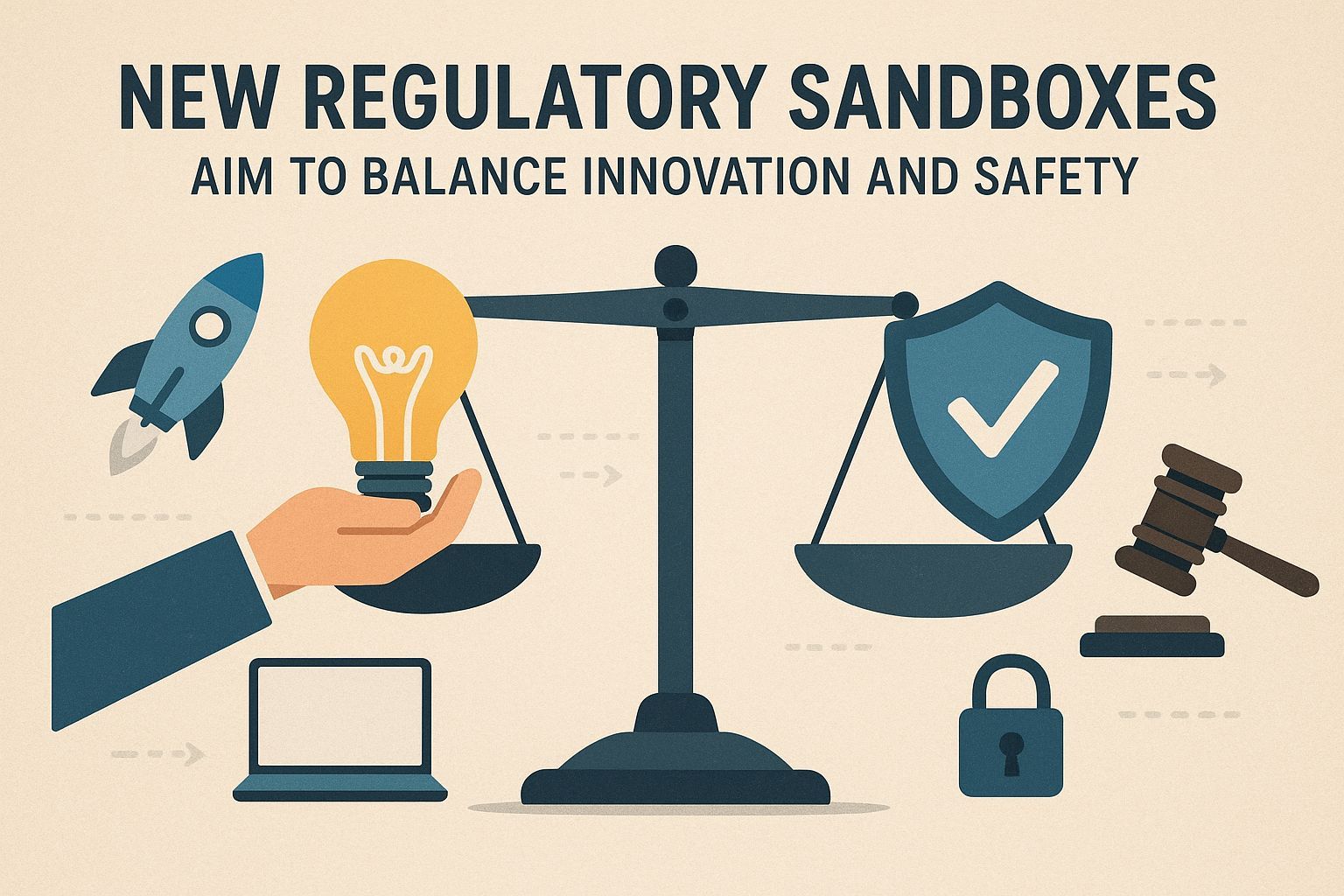
Sandboxes: Crypto’s New Playground or Just Another Rulebook?
New regulatory sandboxes are popping up worldwide, aiming to balance innovation and safety in crypto by letting projects test waters without drowning in red tape-think DeFi protocols, stablecoins, and tokenization getting a supervised breather.[1][3][5]
Key Takeaways
- SEC’s Innovation Exemption: Formalizing by early 2026, offering compliant projects a “sandbox” for experimentation with robust guardrails like transparency and investor protection.[1][3][6]
- Global Momentum: UK, Dubai, California, even Vietnam rolling out sandboxes focused on stablecoins and digital assets, shifting from enforcement to facilitation.[2][5][7][8]
- Why It Hits Different: No more retroactive crackdowns-projects build and comply upfront, flipping the script on SEC’s old enforcement-heavy vibe.[3]
- Stablecoin Spotlight: Expect sandboxes to prioritize these bad boys, with exemptions speeding them to market while keeping risks in check.[5][9]
Subscribe to our Social Media for Exclusive Crypto News and Insights 24/7!
Listen, if you’ve been around crypto long enough, you know the SEC’s playbook was all stick, no carrot. Paul Atkins dropped hints in early October 2025 that they’re cooking up this innovation exemption framework-a proper sandbox echoing global models where firms hit criteria on transparency, decentralization, and investor protection to dodge full registration hell.[1] It’s not wide open; Atkins stressed “robust” guardrails, with a Notice of Proposed Rulemaking eyed for late 2025 or Q1 2026. Fluid? Yeah, but the vibe’s shifting from “enforce first, ask questions later” to “let’s see what you got.”[1][6]
SEC’s Sandbox: DeFi’s Compliance Buffer
Picture this: Your fave DeFi protocol or DAO no longer sweating every governance token drop. Under the SEC’s proposed setup, qualifying projects snag a temporary compliant operating space-simplified disclosures, no full IPO-style filings. It’s tailor-made for digital asset protocols, governance tokens, and decentralized networks that play nice from jump.[3] Why? Traditional regs don’t fit blockchain’s wild ride. Stablecoin issuers? They’re grinning biggest, baking in AML/KYC and on-chain monitoring as table stakes.[3][5]
Honestly, that enforcement era caught everyone off guard-like watching ETH swan-dive through support in ’22, only to pump later. Now? Permissioned compliance. Forward-thinkers invest in transparent governance and risk-aware dev. As CF Benchmarks puts it, this could supercharge regulated crypto products for institutions.[1] No speculation here-just what’s in the tea leaves from reliable spots.
Global Sandboxes: From Dubai to DFPI
Don’t sleep on the rest of the world, fam. Dubai’s VARA leveled up to Version 2.0 rulebooks in May 2025, ditching sandbox playtime for mature supervision by June-deadlines hit hard.[2] California’s DFPI? They’re locking in Digital Financial Assets Law (DFAL) with registration, disclosures, and surety bonds by July 2026, plus a revamped Crypto Scam Tracker. They even slapped a cease-and-desist on a rogue crypto ATM op.[2] UK FCA’s eyeing stablecoin issuance in its sandbox for 2026 testing.[8]
Vietnam’s going ham too-fintech and digital asset sandboxes demanding VND10 trillion charter capital for exchanges, but only for foreign investors. High cyber standards? Non-negotiable.[7] Elliptic nails it: 2026’s a “global pivot toward innovation,” with more sandboxes for stablecoins and tokenization. Regulators want blockchain analytics like theirs to ease compliance without skimping on risk detection.[5] FATF and FSB? They’re yelling about closing gaps to avoid arbitrage and stability risks.[2]
What This Means for Your Bag
Whales ain’t sleeping-they’re rotating into compliant plays. Imagine holding through a memecoin scare (NYDFS warned on those[2]) only to see sandboxes greenlight real utility. GENIUS Act already carved out payment stablecoins as non-securities, OCC/Fed handling the reins.[6] Blockchain devs? Roadmaps get clearer, no enforcement FUD shadows.
- Upside: Faster stablecoins to consumers (Aus exemptions as precedent[5]), DeFi structuring with compliance baked in.[3]
- Guardrails: Still fraud crackdowns, sanctions scrutiny on bad actors (Russia, Iran, Venezuela[5]).
- Analyst Echo: Paul Atkins straight-up: Sandbox must be “cabined, time-limited, transparent, flexible… focused on investor protection.”[4] (Yeah, he said that to lawmakers-mirrors AI testing but crypto’s catching the wave.)
You’ve seen this before, right? Regs tease breakout, then enforce. But 2026? Feels like the real flip. Sandboxes ain’t perfect-details fuzzy-but they’re the on-ramp crypto’s been begging for. Stay savvy, stack compliant.
- https://www.cfbenchmarks.com/blog/sec-preps-digital-asset-sandbox
- https://www.trmlabs.com/reports-and-whitepapers/global-crypto-policy-review-outlook-2025-26
- http://cwallet.com/blog/crypto-in-2026-how-sec-rules-are-quietly-changing-the-market/
- https://fedscoop.com/sec-ai-sandboxes-paul-atkins/
- https://www.elliptic.co/blog/elliptics-2026-regulatory-and-policy-outlook-global-pivot-to-innovation
- https://www.clearygottlieb.com/news-and-insights/publication-listing/2026-digital-assets-regulatory-update-a-landmark-2025-but-more-developments-on-the-horizon
- https://ps-engage.com/regulatory-sandboxes-offer-opportunities-for-innovators-and-investors-in-vietnam/
- https://www.fca.org.uk/news/press-releases/stablecoin-payments-priority-2026-fca-outlines-growth-achievements
- https://bvnk.com/blog/global-stablecoin-regulations-2026