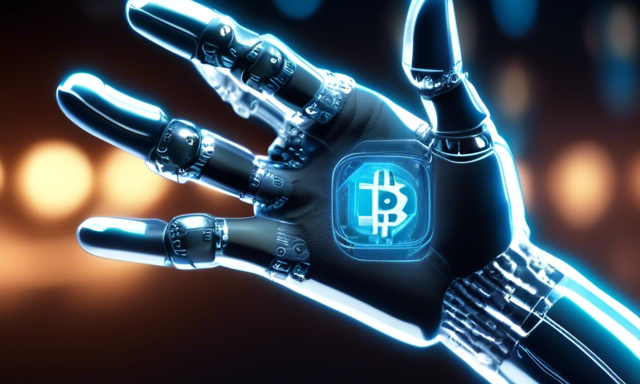
Revolutionizing Prosthetic Limbs Through Robotics ?
Imagine a world where missing limbs can be replaced with robotic alternatives, enhancing human abilities and merging man with machine. Developers and researchers are working tirelessly to turn this futuristic vision into a reality, creating innovative technologies that bridge the gap between humans and machines.
The Genesis Hand Revolution: A Game Changer in Prosthetics ?

- Ryan Saavedra, the CEO of Alt Bionics, pioneered the creation of robotic limbs with a focus on functionality, affordability, and style.
- Saavedra’s journey began after a rock climbing accident that left him unable to use his hand for six months.
- Inspired by the experience, he designed a rudimentary mechanical finger using household items and spare electronics.
- The Genesis Hand was born from Saavedra’s determination to make prosthetics more accessible and cost-effective.
- This flagship bionic hand, priced at around $5,000, is designed to be affordable and potentially covered by insurance.
- Alt Bionics’ innovative approach aims to provide users with a fully functional bionic hand that includes provisions for finger and fingertip replacements.
- This unique feature allows for easy repairs without the hassle of sending the device back to the manufacturer.
Subscribe to our Social Media for Exclusive Crypto News and Insights 24/7!
Accessible Prosthetics: A Health Insurance Perspective ?
- Medicare Part B offers coverage for prosthetic devices, including bionic limbs, with some residents receiving up to 100% coverage.
- Alt Bionics’ Genesis hand weighs only 500 grams, reducing strain on users and improving overall comfort.
- The hand’s design includes features like finger replacements and repair options for added convenience.
- Electromyography (EMG) sensors enable muscle activity measurement, allowing users to control the hand with upper arm movements.
- The hand is designed for everyday use and offers a grip limit of approximately 20 pounds.
The Future of Bionic Limbs: A Technological Blend ?
- Researchers and developers are exploring advanced technologies to enhance bionic limbs and restore movement to disabled individuals.
- Companies like Neuralink and MIT are pushing the boundaries of bionic technology through brain-computer interfaces and neural control experiments.
- Alt Bionics envisions a future where their prosthetic technology integrates seamlessly with neural interfaces like Neuralink, enabling users to control devices with their thoughts.
- This convergence of technologies could revolutionize the field of prosthetics and provide new opportunities for amputees.
Hot Take: Embracing Innovation for a Better Future
- The rapid advancements in bionic technology are transforming the way we perceive prosthetics, offering hope and empowerment to individuals with limb differences.
- With a focus on affordability, functionality, and accessibility, companies like Alt Bionics are leading the charge in revolutionizing the world of prosthetic limbs.
- As technology continues to evolve, the possibilities for enhancing human capabilities through man-machine integration are endless, opening up a new era of innovation and possibility.
*Sources:*
- [Alt Bionics](https://www.altbionics.com/)
- [Medicare.gov](https://www.medicare.gov/coverage/prosthetic-devices)
- [Arduino](https://www.arduino.cc/)
- [Nature Report on MIT Research](https://www.nature.com/articles/s41591-024-02994-9)