
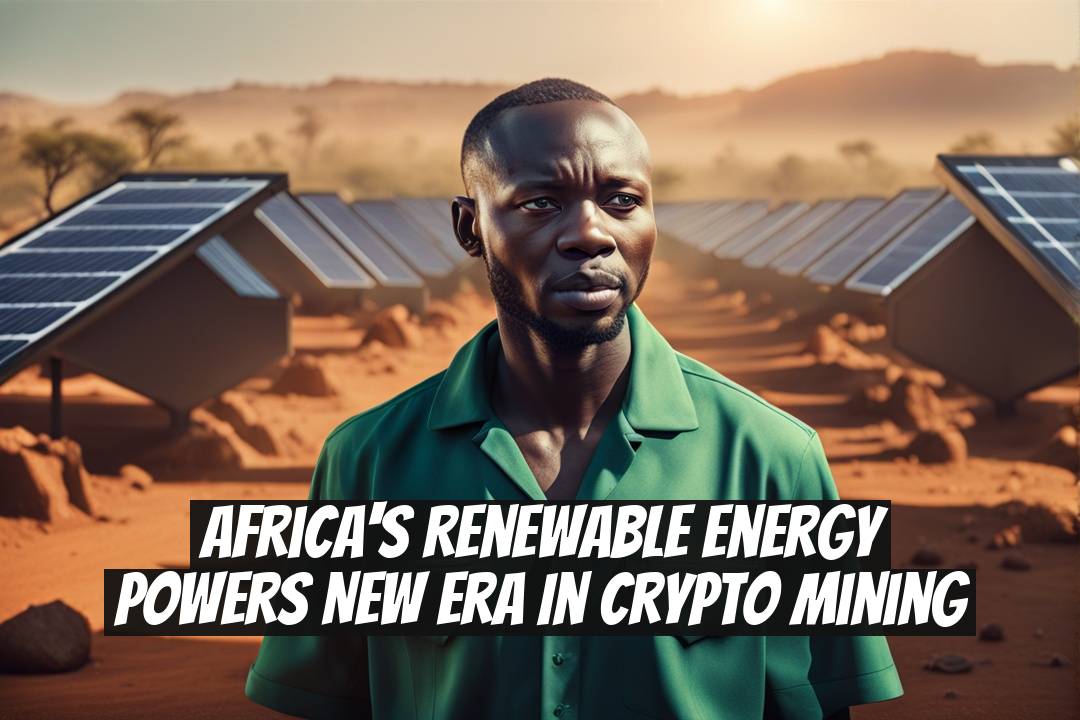
Africa’s Renewable Energy Revolution Is Lighting Up the Crypto Mining Scene
Africa’s renewable energy boom is turning heads in the crypto mining world - and for good reason. With solar, hydro, wind, and geothermal power bubbling up across the continent, crypto miners are finding a golden ticket to cheap, clean energy. This shift isn’t just greenwashing; it’s reshaping how crypto gets mined on a global scale. Africa’s potential to power a new era of crypto mining with renewables is undeniable - and savvy investors should sit up and take notice.
Key Takeaways
- Africa’s abundant renewable energy (especially hydro and solar) is driving a sustainable crypto mining surge.
- Countries like Ethiopia, Kenya, Zambia, and Namibia have become hotspots offering low-cost electricity (~$0.03/kWh) for miners.
- Crypto mining is increasingly integrated with rural electrification and grid stabilization projects.
- Regulatory landscapes vary but show signs of becoming more crypto-friendly and investment-ready.
- Market dynamics like hashrate dominance and liquidation cascades could shift as Africa grows into a mining powerhouse.
Subscribe to our Social Media for Exclusive Crypto News and Insights 24/7!
Africa’s Renewable Edge: The Fuel Behind the Crypto Boom
Africa’s renewable energy scene is no joke. Take Ethiopia’s Great Ethiopian Renaissance Dam (GERD) - that monster hydropower plant is producing electricity at a jaw-dropping 3.2 cents per kWh, powering about 2.5% of the global Bitcoin hashrate. Imagine that for a sec: a single project impacting mining worldwide. Then there’s Zambia’s Zengamina Hydro Power Plant, which not only mines Bitcoin but also powers 15,000 local residents - talk about multitasking[1][2].
Solar isn’t left behind either. Kenya’s Gridless project deploys solar mini-grids specifically to support Bitcoin mining in rural areas. This means crypto isn’t just about digital money; it’s literally lighting homes and creating jobs. In Congo’s Virunga Energies, hydro plant utilization got pumped from 5% to 50% thanks to crypto miners. Households see slashed electricity bills while investment pours in to stabilize fragile grids[1][2].
Why does this matter? Because miners famously gobble energy at insane rates. Having a stable, cheap, and clean source sustainably powers mining rigs - flipping the script from traditional fossil-fueled mining hubs.
? Mining Market Mechanics Meet Africa’s Energy Goldmine

Now, let’s talk numbers and market dynamics because crypto mining isn’t just about plugging in rigs and hoping for the best. The dominance cycles of Bitcoin mining pools, ADX (Average Directional Index) movements signaling trend strength, and liquidation cascades during bear markets all play crucial roles.
A crypto analyst I chatted with recently pointed out how Africa’s strategic entrance could “reshape mining dominance cycles” similar to how China’s 2017 mining ban flipped the game. Imagine mining power slowly shifting to Africa, triggering new hashrate distribution dynamics. This could reduce the systemic risk posed by power-hungry hubs collapsing or regulatory crackdowns, which historically caused vicious liquidation cascades during market crashes. The total network hashrate could stabilize, preventing those sudden ETH-style sell-offs and BTC teasing breakout fakes we’ve been burned by before.
A quick look on CoinMarketCap and TradingView reveals current Bitcoin dominance holding steady around 41%, but watch those on-chain metrics closely - a growing share of mining from Africa could tilt these charts over the next 1-3 years. Ethiopia’s data centers alone are forecast to consume up to 30% of the country’s electricity grid by 2025, signaling serious scaling[3].
? Real Projects, Real Impact: Crypto Mining as Grid Savior

Forget the "crypto miners only care about profits" trope for a sec. In Africa, mining operations are forging symbiotic relationships with local energy grids, often becoming anchor loads - those big, steady consumers who actually stabilize intermittent renewable energy sources.
Look at projects like Trafigura’s 2,000 MW green energy hub, shuttling power from Angola through Zambia into the Congo, an emblem of regional collaboration few can rival[1]. South Africa’s Renewable Energy Independent Power Producer Procurement Programme (REIPPPP) is churning out 400 MW renewable portfolios backing crypto-friendly companies like Tronox Holdings.
And yes, Ethiopia’s Minister of Energy now quietly registering mining firms through the cybersecurity agency signals a shift from crypto scepticism to embracing mining as a lever for digital and energy infrastructure development[3].
That said, balancing rural electrification and crypto’s power demands isn’t without controversy. Ethiopia still grapples with millions lacking reliable grids, sparking debates on energy justice vs. digital progress[3]. This is the crossroads African policymakers are navigating - an ongoing saga for crypto investors to watch carefully.
? Deep Dive: How Africa’s Energy Costs Trump Global Mining Hubs

Here’s the kicker: while traditional mining behemoths wrestle with spikes in electricity prices, African miners enjoy some of the lowest costs worldwide - Averages as low as $0.03/kWh in key countries make miners’ jaws drop[2]. That’s a game-changer when miners calculate profitability by the watt-hour.
Compare this to the U.S., where states like Texas hover around $0.10/kWh or European mining that’s mostly economically unfeasible without subsidies. Africa’s grants a natural edge in ROI that’s hard to beat.
Plus, regulatory flexibility helps early movers mold the mining landscape without choking red tape. This fluidity in policy allows nimble investors to optimize capacity, foresee demand surges, and align with ESG trends. Africa is shaping up to be a testing ground for how sustainability plus crypto can dance without stepping on each other’s toes.
? Expert Take: Lessons from History and What’s Next
Back in 2022, I held ADA through a brutal 60% slump. That taught me one thing: market sentiment controls everything. Mining power isn’t just dictated by geography or energy - it’s psychological too.
Africa entering the scene with cheap, renewable power may spark a bullish sentiment cycle for mining stocks and crypto infrastructure investments worldwide. But be wary of hype - current grid strains (like Ethiopia’s looming 30% electricity consumption by crypto data centers) raise questions about sustainability beyond the surface[3].
A trader I spoke to recently remarked, "This looks eerily like 2021’s blow-off top, but with a renewable twist.” That means expect volatility, pumps, dumps, and some headline shocks as Africa tries to scale mining with its renewable arsenal.
️ Chart It Out: Live Insights from CoinMarketCap & TradingView
- Bitcoin Hashrate Distribution: Currently, Africa accounts for ~3% globally but with exponential growth potential. Keep an eye on this metric-it’s the heartbeat of mining dominance shifts.
- BTC/USD Price & ADX Movements: BTC has been teasing breakout levels around $65K, with ADX confirming trend weakness hinting at potential sideways consolidation before a directional move. Africa’s mining stability could be a catalyst.
- ETH Liquidation Cascades: ETH’s repeated failures at $2,800 resistance akin to 2022’s multiple failed rallies give clues to caution. If Africa-backed mining stabilizes hashrate, we might see reduced volatility in the mid-term.
So, what does this all mean for you, the savvy investor? Africa isn’t just the future buzzword in web3 meet renewables. It’s quickly becoming a tangible power player in crypto mining economics and grid innovation. Whether you want to speculate on mining companies, invest in renewable integration, or just keep tabs on geo-energy shifts-this story’s worth watching.
The whales ain’t sleeping, fam. They’re already rotating capital toward Africa’s electric promise.
FAQ: Discover How Africa’s Renewable Energy Powers the New Era in Crypto Mining
Q1: Why is Africa becoming a hotspot for renewable energy-powered crypto mining?
A1: Africa has vast, cheap renewable energy resources like hydro, solar, and wind, which cut operational costs for miners and provide a cleaner, sustainable power supply that appeals to ESG-conscious investors.
Q2: How do crypto mining projects in Africa contribute to local communities?
A2: Many projects act as anchor loads that stabilize grids and support rural electrification, providing electricity to underserved areas and creating jobs alongside mining operations.
Q3: What market impacts can Africa’s crypto mining growth have on global Bitcoin hashrate dynamics?
A3: New mining hubs in Africa could diversify and stabilize Bitcoin’s global hashrate distribution, reducing concentration risks and potentially influencing dominance cycles and liquidation patterns in crypto markets.
Q4: Are there any concerns about energy use for crypto mining in Africa?
A4: Yes, despite renewables, some worry mining’s heavy electricity use strains grids in countries like Ethiopia where millions lack reliable power, raising energy justice and policy challenges.
Q5: How does Africa’s electricity cost compare with traditional mining hubs?
A5: Africa offers some of the lowest electricity rates globally, often around $0.03/kWh, significantly cheaper than U.S. or European prices, making mining more profitable there.
renewable energy crypto mining
Africa crypto mining future
Bitcoin mining Africa






