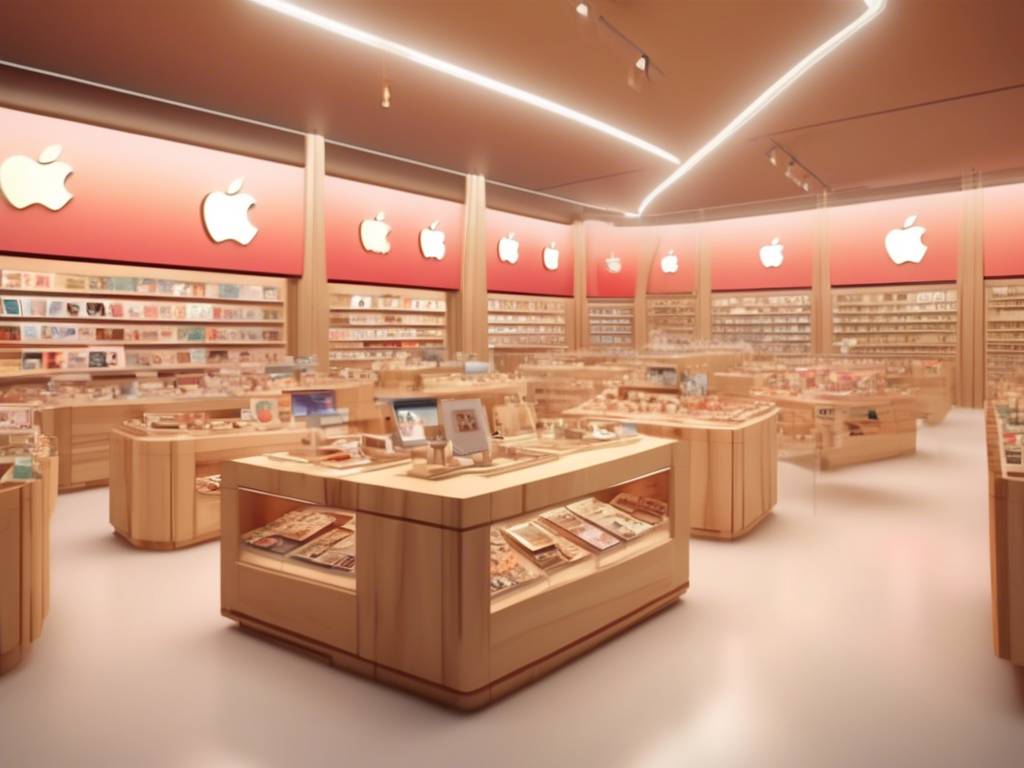
Steve Jobs Revolutionizes Apple’s Retail Experience
On this day, May 15, 2001, Steve Jobs unveiled a groundbreaking shift in how Apple engaged with consumers. Jobs announced plans to launch Apple-owned retail stores, marking a departure from the company’s reliance on third-party retailers. At the time, Apple held less than 3% of the US computer market, with Jobs noting that 95% of consumers did not consider Apple products.
- Jobs’ Frustration with Retail Partnerships
- Jobs expressed frustration with third-party retailers’ lack of visibility for Apple products and inadequately trained staff.
- He compared the experience of buying a computer to being worse than purchasing a car.
- Gateway’s Struggles with Brick-and-Mortar Stores
- Competitor Gateway faced challenges with high overhead expenses and maintaining a national retail network.
- Electronic superstores like CompUSA and Circuit City were also facing business model issues.
Subscribe to our Social Media for Exclusive Crypto News and Insights 24/7!
- Quiet Preparation for Apple Stores
- Jobs had been collaborating with executives from notable brands like Gap, Target, and Victoria’s Secret for two years to establish Apple’s retail presence.
- The first two Apple stores opened in McLean, Virginia, and Glendale, California, just days after the announcement.
- Initial Store Layout and Design
- Despite offering only four product lines, the stores featured a mix of Mac computers, software, accessories, and services.
- Bloomberg Businessweek’s skepticism was proven wrong as the stores focused on product presentation and ambiance rather than aggressive sales tactics.
- Aesthetic and Brand Image
- Jobs emphasized that the stores aimed to convey the Apple lifestyle, with minimalist interiors, sleek architecture, and an emphasis on creativity.
- The stores’ unique design and ambiance contributed to Apple’s brand image and success in the retail space.
Hot Take: Apple’s Retail Evolution
On this day in 2001, Steve Jobs unveiled Apple’s retail store concept, setting the stage for a paradigm shift in the tech industry. By prioritizing customer experience and brand image over traditional sales strategies, Apple revolutionized retail and solidified its position as a cultural icon. The success of Apple’s stores underscores the significance of innovative thinking in shaping consumer interactions and brand perception. As a crypto enthusiast, take inspiration from Apple’s retail evolution to drive creativity and disrupt conventional norms in the digital currency space.