
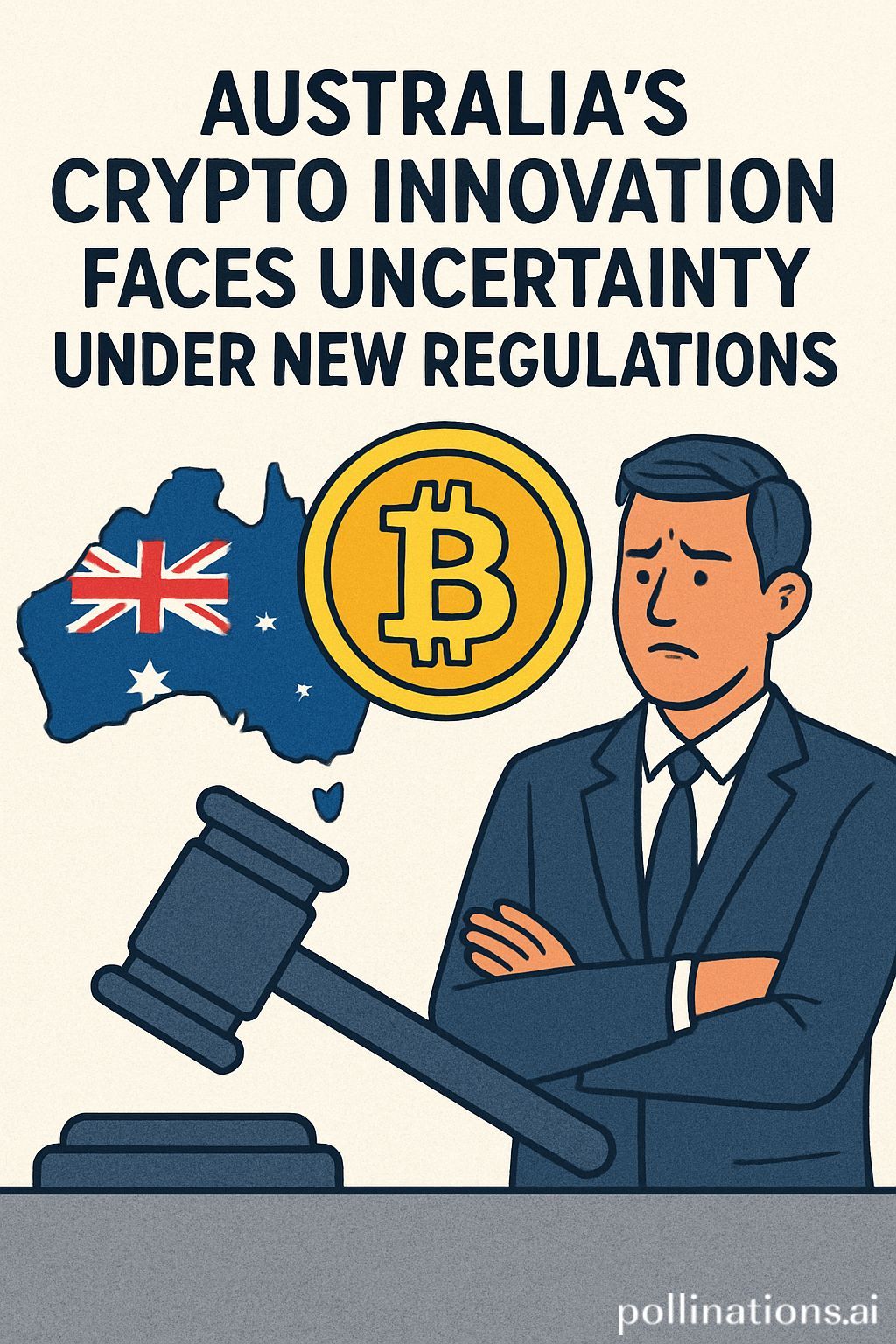
Australia’s Crypto Future: Treading Water in a Regulatory Storm
Australia’s crypto innovation scene is at a crossroads. The buzz around "Australia’s crypto innovation faces uncertainty under new regulations" is more than just media hype - it’s the reality shaking up investors, developers, and exchanges alike. If you’ve been eyeing Aussie crypto projects or betting on local exchanges, you’ve probably felt the tension: a booming sector grappling with a tightening legal noose. So, what’s really cooking beneath the surface? Are these new rules a death sentence or just a speed bump on the way to legitimacy? Let’s break it down.
Key Takeaways
- Australian regulators are rolling out a comprehensive licensing framework targeting digital asset platforms (DAPs) and payment stablecoins, aiming to position Australia as a global digital asset hub while tightening consumer protections.
- The government’s regulatory overhaul, including the Digital Asset Statement released in March 2025, reflects a shift from passive to proactive crypto regulation, with key agencies like ASIC and AUSTRAC stepping into sharper roles.
- Industry insiders worry that increased compliance costs and ambiguous boundaries could stifle innovation, especially for smaller players, while larger exchanges cautiously back the reform.
- Live market data shows Australia’s crypto exchange volumes remain healthy but volatile amid debates, with major coins displaying classic dominance cycles and volatile ADX trends indicative of uncertainty.
- Experts liken current market dynamics to 2021’s blow-off top warnings, with liquidation cascades lurking should sentiment sour further; meanwhile, Australian crypto firms scrambling to adapt strategy.
Subscribe to our Social Media for Exclusive Crypto News and Insights 24/7!
? What’s Up with Australia’s Crypto Rulebook?

You might’ve thought Australia was cruising, regulatory-wise - given that it’s been relatively welcoming to blockchain and crypto since the early 2010s. But these days? It’s more like waiting for the catch at the fish market: hungry but unsure what’s coming. According to Crystal Intelligence, the country’s regulatory framework is expected to firm up near the end of 2025, with key bodies (AUSTRAC, ASIC, ACCC, Treasury) juggling responsibilities and aiming to unify the mess of guidelines into something coherent[1].
The Digital Asset Statement released by the government in March 2025 spells out intentions to regulate digital asset platforms under a licensing system and put stablecoins under the “stored value facility” regime[2]. It’s like Australia saying: “We want to be the cool kids on the global crypto block but keep the riffraff out.” Problem is, what’s cool and what’s riffraff isn’t always clear, and the devil’s in the details.
? The Market’s Mood: Dominance Cycles and ADX Madness

Now, here’s where it gets spicy for investors like you and me. Snapshots from TradingView show that BTC dominance in Australia’s local exchange volumes has been slipping and recovering in a bandying pattern reminiscent of early 2021 - remember the parabolic pumps followed by gut-wrenching dumps? ETH has swan-dived repeatedly into its 50-day moving average support, flirting with the average directional index (ADX) that screams volatility spikes around key resistance levels.
A trader I chatted with pointed out, “this is eerily like 2021’s blow-off top - all the signs are flashing red, but the whales ain’t sleeping, fam. They’re rotating through alts, sniffing for bargains.” That rotation’s crucial - when liquidation cascades hit, it’s not just Mayweather-style knockout punches; they’re domino effects wiping out leveraged longs en masse, magnifying chaos.
Charting on-chain metrics, data from CoinMarketCap reveal elevated stablecoin inflows into exchanges over the past month, which could be bullish signals for dips, though the underlying regulatory uncertainty in Australia might temper aggressive playbook moves.
️ Compliance Over Creativity? The Innovation Dilemma

ASIC’s updated guidance on digital assets insists that many tokens - stablecoins, wrapped tokens, tokenized securities - are financial products requiring licenses to legitimize operations and protect consumers[4]. They’ve even extended a “no-action” grace period till mid-2026, giving firms some breathing room.
But here’s the catch: this comes with a price tag. Smaller developers and startups, strapped for cash, face a regulatory Burden of Thrones - extensive compliance, higher costs, legal consultations - which could clip their wings. “Honestly, it’s a double-edged sword,” a local founder told me. “The project they launched is solid, but we’d’ve expected smoother pathways. Now the uncertainty’s freezing decisions.”
Australia’s draft law amendments will also overhaul the Corporations Act to distinctly cover digital asset platforms and token custody[6]. It excludes gaming tokens and NFTs to focus strictly on financial services, channeling the government’s aim to neutralize risks without swatting innovation wholesale.
For example, local exchanges like Independent Reserve have cautiously praised the new regulations as a step towards mainstream legitimacy. However, they stress the importance of ensuring unregulated players don’t undercut this hard-fought progress[3].
? Anti-Scam War: A Welcome Boost and Its Limits

Let’s not gloss over the positive. ACCC’s integration of digital asset scams into their overall fraud framework and collaborative efforts with private sectors and even tech giants represent a huge stride forward against the scourge of crypto fraud[1]. Remember, the global loss to scams hit over $1T recently, so this alliance isn’t just noise.
Jess, who attended the Global Anti-Scam Alliance summit, mentioned the surprising joint efforts among banks, e-commerce platforms, and regulators. But these safeguards are only as useful as their enforcement strength.
Australia’s sector-specific task force also hints they’re readying themselves for a proactive stance on crypto misconduct - which should keep pump-and-dump schemes and rug pulls in tighter chains. It’s a slow dance, but one necessary for building genuine investor trust.
? Crypto Mining and Taxation: No Ban Yet, But Watch This Space
Unlike some countries cracking down hard on mining for environmental or regulatory reasons, Australia isn’t banning crypto mining yet, which is a relief for those staked in that segment. The taxation of mining remains complex and somewhat controversial, but the government’s stance remains generally open[2].
As mining grows, the increasing energy mandate and taxation clarity will be must-watch themes, especially if Australia wants to compete on innovation rather than just policing.
Breaking It Down: What Does This Mean for You?
- If you’re an Aussie crypto investor: Stay vigilant around how exchanges adjust. Liquidity and token listings might fluctuate with these new rules tightening around licensing and compliance.
- If you’re a startup or dev: The headwind’s real. Get legal advice early and don’t underestimate compliance costs, but don’t despair - this clearer framework could open institutional doors.
- If you’re a global crypto player: Australian regulations suggest another mature market adding teeth to crypto oversight, which is good news for global stability but a potential hurdle for innovation speed.
- Market watchers: Keep an eye on BTC and ETH dominance swings, plus stablecoin flow movements, as cues to sentiment shifts in this evolving regulatory environment.
Final Thought
Imagine holding SOL through the 60% crash back in 2022 - brutal, right? But it instilled patience and grit. Australia’s crypto scene might be in its own "hold through the storm" moment. These thickening regulations might feel like a stranglehold at first, but if navigated carefully, they could toss a lifeline for genuine long-term growth and safer waters for the next crypto wave.
Australia’s Crypto Innovation Faces Uncertainty Under New Regulations: Your Go-To FAQ
Q1: What are the main regulatory changes affecting crypto in Australia?
A1: Australia is introducing a licensing framework for digital asset platforms and stablecoins, tightening regulations to enhance consumer protections while aiming to foster innovation within clear legal boundaries.
Q2: How will these rules impact crypto exchanges and startups?
A2: Exchanges will need licenses and must comply with rigorous standards, which may increase operating costs. Startups might face tougher compliance hurdles, potentially slowing innovation unless they adapt early.
Q3: Are cryptocurrencies banned or restricted in Australia?
A3: Cryptocurrencies are not banned; mining and trading remain legal. The focus is on regulating service providers and platforms rather than the currencies themselves.
Q4: What role does ASIC play in the new crypto environment?
A4: ASIC clarifies how existing financial laws apply to digital assets, enforcing licensing and investor protections and offering transitional relief to ease the sector’s adjustment to new laws.
Q5: How do market dynamics like dominance cycles and ADX relate to Australia’s crypto market?
A5: Price action and volume often reflect regulatory sentiment; swirling dominance cycles and volatile ADX movements indicate uncertainty and cautious investor behavior amid evolving rules.
Q6: What protections exist against crypto scams in Australia?
A6: The ACCC has extended its anti-scam framework to cover digital assets, working collaboratively with tech firms and law enforcement to combat fraud and enhance investor safety.
cryptocurrency licensing Australia
crypto regulation impact
Australian crypto market analysis
- https://crystalintelligence.com/crypto-regulations/the-state-of-crypto-regulation-in-australia/
- https://www.gtlaw.com.au/insights/global-legal-insights-blockchain-and-cryptocurrency-regulation-2026
- https://coingeek.com/australia-draft-rules-bring-crypto-under-finance-regulations/
- https://www.asic.gov.au/about-asic/news-centre/find-a-media-release/2025-releases/25-250mr-updated-asic-guidance-supports-digital-asset-innovation-and-boosts-investor-protection/
- https://www.asic.gov.au/regulatory-resources/digital-transformation/crypto-assets/
- https://consult.treasury.gov.au/c2025-701519
- https://www.austrac.gov.au/business/your-industry/digital-currency-cryptocurrency
- https://coinmarketcap.com/charts/






