What Happens When the Internet’s Safety Net Fails?
Imagine you’re about to make a big move in the crypto market, heart racing, fingers hovering over the keyboard, and suddenly-your screen goes blank. No trading platforms, no blockchain explorers, not even a simple tweet to check what’s going on. This isn’t a nightmare; it’s what happened to millions of crypto users during the recent AWS and Cloudflare outages. These aren’t just technical glitches-they’re wake-up calls about how much of the crypto world still depends on centralized cloud infrastructure. When giants like AWS and Cloudflare stumble, the whole ecosystem feels the tremors, and it’s time we talk about what that really means for crypto investors, traders, and builders.
Key Takeaways:
- Major outages at AWS and Cloudflare recently disrupted access to crypto platforms, exchanges, and DeFi frontends.
- These outages highlight the risks of relying on centralized cloud providers for decentralized technologies.
- While blockchain backends kept running, user-facing services were inaccessible, exposing a critical vulnerability.
- The crypto market needs to rethink its infrastructure strategy to avoid future disruptions.
Subscribe to our Social Media for Exclusive Crypto News and Insights 24/7!
? The Great Internet Blackout: When Cloud Giants Stumble
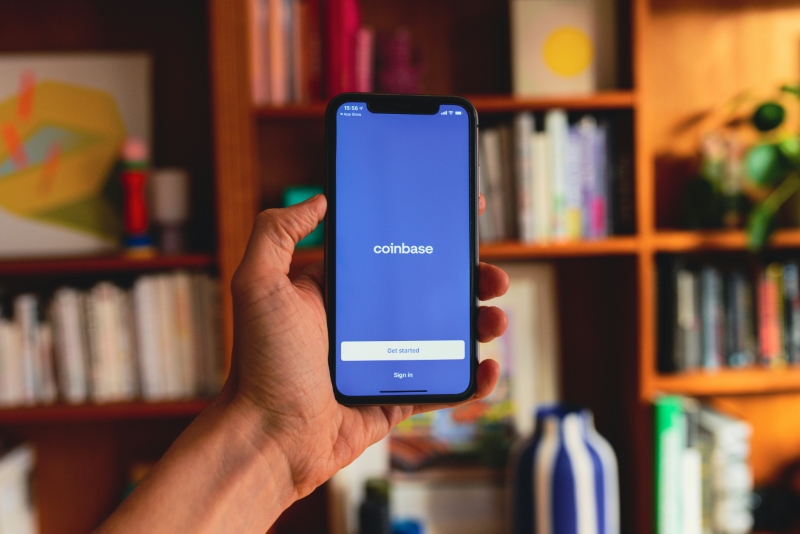
It’s easy to forget that even the most decentralized blockchains rely on centralized services for everyday access. When Cloudflare went down on November 18, 2025, it wasn’t just a minor hiccup. Major platforms like X (formerly Twitter), ChatGPT, Discord, and even crypto heavyweights like Coinbase, BitMEX, and Kraken were knocked offline. The outage wasn’t limited to one region or service-it was global, widespread, and lasted for hours. Cloudflare’s own dashboard and API failed, leaving users with nothing but error messages and frustration Cloudflare Outage: Global Disruption Takes Crypto Sites Offline.
The root cause? A configuration error that triggered a cascade of failures across Cloudflare’s network. The company later admitted that a feature file had grown too large, overwhelming their systems and causing widespread 500 errors-those dreaded “internal server error” messages that tell you nothing works Cloudflare outage on November 18, 2025. And just weeks before, AWS had its own outage, disrupting thousands of websites and apps, including crypto trading platforms and layer-2 networks Cloudflare Outage: Global Disruption Takes Crypto Sites Offline.
? Centralized Cloud Risks: The Hidden Achilles’ Heel of Crypto

Here’s the uncomfortable truth: even though blockchains are decentralized by design, most crypto services-exchanges, DeFi platforms, blockchain explorers-run on centralized cloud infrastructure. When AWS or Cloudflare goes down, it’s not just a website that’s affected; it’s the entire user experience. You can’t trade, you can’t check your portfolio, and you can’t even verify transactions. The blockchain itself keeps running, but if you can’t access it, does it really matter?
This is the paradox of crypto in 2025. We’ve built a decentralized financial system, but we’ve put it on top of centralized cloud providers. It’s like building a fortress on a foundation of sand. When the foundation cracks, the fortress shakes Centralized Cloud Outage Hits DeFi; Fed Loosens Bank Oversight.
The recent outages exposed this vulnerability in a very real way. DeFi platforms like Dune, DeFiLlama, and Arbiscan were all affected. Even Downdetector, the site people use to check if other sites are down, relies on Cloudflare-so when Cloudflare failed, it was impossible to get real-time status updates Centralized Cloud Outage Hits DeFi; Fed Loosens Bank Oversight.
? What It Means for the Crypto Market

For investors and traders, these outages are more than just an inconvenience. They’re a reminder that the crypto market is still vulnerable to the same risks as traditional finance. When you can’t access your exchange, you can’t react to market volatility. When you can’t check your DeFi positions, you can’t manage risk. And when you can’t verify transactions, you can’t trust the system.
The impact was felt across the board. Crypto exchanges like Coinbase and BitMEX reported outages. DeFi platforms saw their frontends go dark. Even blockchain explorers like Arbiscan were affected, making it impossible to track transactions or verify smart contracts Cloudflare Outage: Global Disruption Takes Crypto Sites Offline.
But here’s the silver lining: the core blockchain infrastructure kept working. Transactions were still being processed, and the decentralized nature of the technology proved resilient. The problem wasn’t with the blockchain itself-it was with the centralized services that connect users to it Centralized Cloud Outage Hits DeFi; Fed Loosens Bank Oversight.
?️ Practical Tips for Crypto Users and Builders

So, what can you do to protect yourself from these kinds of outages? Here are a few practical tips:
- Diversify Your Access Points: Don’t rely on a single exchange or platform. Use multiple services so that if one goes down, you still have options.
- Use Decentralized Tools: Whenever possible, use decentralized blockchain explorers and wallets. These are less likely to be affected by centralized outages.
- Stay Informed: Follow reliable news sources and community channels to get real-time updates during outages.
- Have a Backup Plan: Keep a portion of your assets in cold storage or offline wallets so you’re not completely dependent on online services.
- Support Decentralized Infrastructure: Encourage the development and adoption of decentralized cloud solutions that can reduce reliance on centralized providers.
? Personal Insights: Why This Matters for the Future of Crypto
As a crypto analyst, I’ve seen the market evolve from a niche experiment to a global financial force. But with that growth comes new challenges. The recent outages at AWS and Cloudflare are a stark reminder that we can’t ignore the risks of centralized infrastructure. The crypto market is still young, and it’s easy to get caught up in the excitement of new technologies and soaring prices. But if we want crypto to truly disrupt traditional finance, we need to address its vulnerabilities.
The good news is that the community is starting to wake up to these risks. There’s growing interest in decentralized cloud solutions, and more projects are exploring ways to reduce reliance on centralized providers. But we’re not there yet. Until we build a truly decentralized infrastructure, the crypto market will remain vulnerable to the whims of a few cloud giants.
? What’s Next for Crypto and the Cloud?
The recent outages at AWS and Cloudflare have sparked a much-needed conversation about the risks of centralized cloud infrastructure. As the crypto market continues to grow, it’s essential that we address these vulnerabilities and build a more resilient ecosystem. The blockchain itself is decentralized, but the services that connect us to it are not. Until that changes, we’ll always be one outage away from chaos.
So, here’s my question for you: Are you ready to take control of your crypto experience, or will you continue to rely on the safety net of centralized cloud providers?
centralized cloud risks for crypto
AWS outage crypto impact
Cloudflare outage crypto risks
[2] https://www.galaxy.com/insights/research/weekly-top-stories-11-21-25
[3] https://www.thousandeyes.com/blog/cloudflare-outage-analysis-november-18-2025
[4] https://blog.cloudflare.com/18-november-2025-outage/
[5] https://techcrunch.com/2025/11/18/cloudflare-outage-takes-down-x-one-month-after-musk-mocked-aws-customers/
[6] https://dev.to/aws-builders/cloud-outages-the-unpopular-truth-no-one-wants-to-hear-4enl