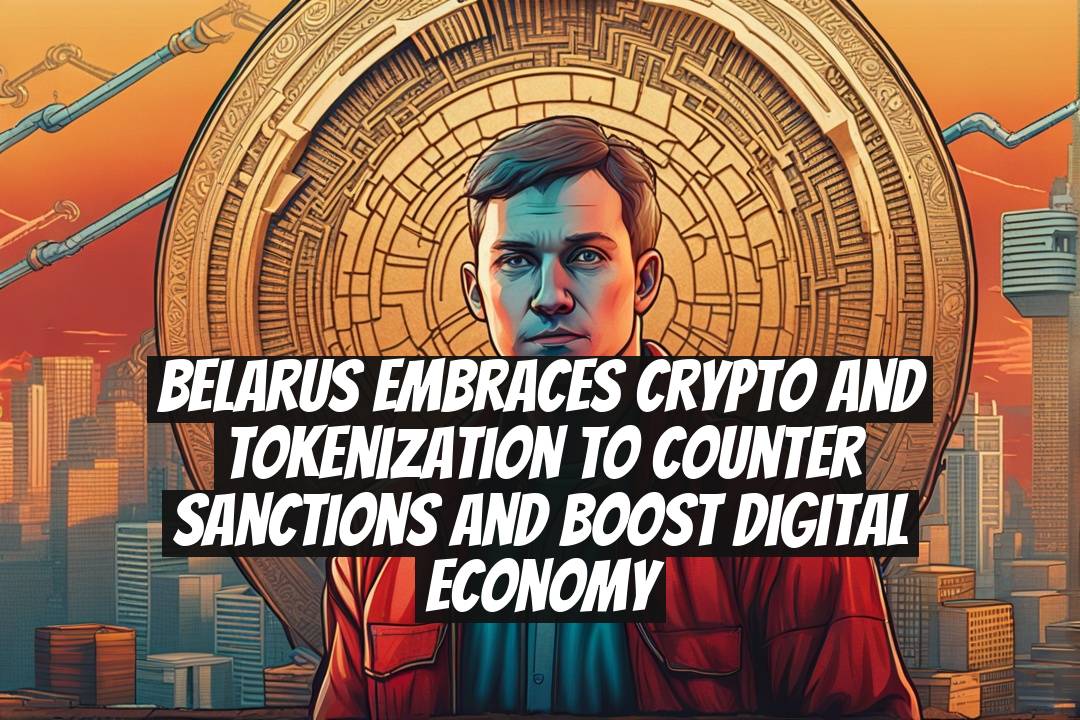
Could embracing crypto be Belarus’s secret weapon against economic isolation?
Belarus’s bold move to embrace cryptocurrency and tokenization in response to escalating Western sanctions is not just a survival tactic-it could be a blueprint for how sanctioned economies innovate under pressure. With sanctions from the U.S., EU, and UK tightening since 2020, Belarus finds itself locked out from traditional financial channels. The country’s pivot to crypto and digital rubles aims to bypass these restrictions and inject new life into the economy. This strategic shift is poised to reshape the crypto market and offers intriguing opportunities and risks for investors globally.
Key Takeaways: What’s Driving Belarus’s Crypto Embrace?
- Belarus faces rigorous economic sanctions that have strangled trade and financial flows.
- The government is aggressively promoting crypto adoption and digital currency integration to sidestep restrictions.
- The expected $3 billion in crypto exchange flows by 2025 could stabilize the Belarusian economy.
- Introducing a national digital ruble and an instant payment system signals long-term commitment.
- Risks include potential crackdown by EU/UK regulators and reputational challenges related to sanctions evasion.
- Investors are watching a “gray zone” between innovation, geopolitical risk, and ethical concerns.
Subscribe to our Social Media for Exclusive Crypto News and Insights 24/7!
? Crypto as the Economic Lifeline: Belarus’s Bold Bet
When you hear about sanctions, you usually think of banks, oil, or traditional industries-but Belarus is stirring the pot by betting heavily on cryptocurrency. President Alexander Lukashenko has issued a clear call for banks to accelerate crypto integration, aiming to leverage digital assets for cross-border payments and economic growth[2][3][4].
Belarus expects to channel about $3 billion worth of crypto exchange flows by the end of 2025-a staggering sum given the constraints imposed by sanctions. This could potentially inject much-needed liquidity and stability into the economy. Plus, they’re eyeing a national digital ruble rollout by 2026, aligning with the Eurasian Economic Union’s fintech trends[1].
It’s not just about bypassing sanctions - this is about creating a digital economy infrastructure that reduces reliance on traditional heavyweights like the SWIFT system and Western financial institutions. Lukashenko’s vision includes an instant payment system by year-end, biometrics, AI integration, and cutting-edge digital payment methods[5].
? Tokenization and Digital Rubles: What’s In It for the Crypto Market?

Tokenization-turning real-world assets or currency into digital tokens-augments this crypto push by providing liquidity and new investment avenues within Belarus. When a country actively promotes tokenization, it creates ecosystems for digital trading, lending, and cross-border transfers that were previously hard or impossible under sanctions.
From a crypto analyst’s viewpoint, Belarus’s strategy to couple a digital ruble with broader crypto integration is fascinating. It:
- Expands crypto utility beyond speculation to real economic use cases.
- Creates demand for payment tokens, stablecoins, and crypto asset services.
- Potentially drives up trading volumes, especially in the EAEU (Eurasian Economic Union) region.
- Signals that sanctioned states may lean into crypto as a normal economic tool rather than fringe tech.
On the flip side, this could also heighten regulatory scrutiny by global authorities concerned about sanctions evasion, money laundering, and illicit finance. The European Union’s recent sanctions package explicitly identified cryptocurrency-enabled evasion linked to Belarusian entities[1]. So, tread carefully as the market navigates between innovation and regulatory friction.
? The Bigger Picture: Geopolitics Meets Crypto Innovation

Belarus’s embrace of crypto is more than a national policy; it’s a chapter in the emerging story of how digital assets act as geopolitical shields. Crypto’s decentralized and borderless nature makes it an attractive tool for countries finding themselves clawed by sanctions.
This move mirrors a broader trend in Eastern Europe where peer-to-peer crypto exchange volumes surged over 120% since sanctions started hitting in 2022[3]. It’s a wake-up call for investors: geopolitical events will increasingly influence crypto markets, and keeping an eye on such developments can provide early trading signals.
Imagine Bitcoin or specific stablecoins acting like “digital lifeboats” in a sea of financial restrictions. The trick is balancing opportunistic innovation with the potential risks of supporting activities that may attract reputational damage or tighter rules.
? Personal Insights: A Friend’s Take on Belarus’s Crypto Gamble

If we were sitting across a coffee table chatting, I’d say Belarus’s approach to crypto is like a high-stakes poker game. They’re all in to save their economy and maintain financial flow in an isolation-driven environment. Their timeline to implement instant payment systems and regulatory frameworks shows they’re serious about crypto not just as a speculative asset, but as an everyday utility.
But here’s where it gets interesting: this is also a warning signal to investors. These markets are volatile and entangled with politics. While the potential upside from access to untapped markets and new demand is real, the downside includes reputational risks and possible sanctions extension against crypto actors.
For anyone thinking of jumping in, it’s essential to:
- Monitor regulatory announcements from the EU, UK, and US.
- Watch on-chain data for transaction spikes involving Belarus.
- Stay aware of the evolving regulatory landscape in EAEU countries.
- Consider ethical implications of participating in sanctioned markets.
? Practical Tips for Investors Eyeing Belarus’s Crypto Rise
- Stay informed about Belarus’s digital ruble development and crypto regulatory updates.
- Look for partnerships or projects that align with Belarus’s instant payment system rollout.
- Assess geopolitical risks aggressively-markets here can change quickly.
- Use blockchain analysis tools to track Belarus-related transaction flows for market signals.
- Diversify investments to balance opportunities from emerging crypto hubs like Belarus with safer, regulated markets.
? What if other sanctioned nations also start betting big on crypto? Are we heading toward a world where digital assets become standard tools for countries under economic pressure?
Explore more about these exciting developments and their impact on the growing digital economy and crypto adoption by checking out these key phrases:
Belarus embraces crypto and tokenization
cryptocurrency sanctions evasion
digital ruble rollout Belarus
Sources:
[1] https://www.ainvest.com/news/belarus-crypto-mandate-strategic-hedge-economic-sanctions-2509/
[2] https://www.onesafe.io/blog/belarus-crypto-adoption-amid-sanctions
[3] https://www.vtmarkets.com/live-updates/in-response-to-sanctions-lukashenko-promotes-cryptocurrencies-for-economic-stability-and-growth-in-belarus/
[4] https://www.coindesk.com/policy/2025/09/10/belarusian-president-backs-crypto-and-cash-adoption-to-navigate-sanctions
[5] https://coincentral.com/lukashenko-urges-belarus-banks-to-expand-crypto-use-amid-sanctions/