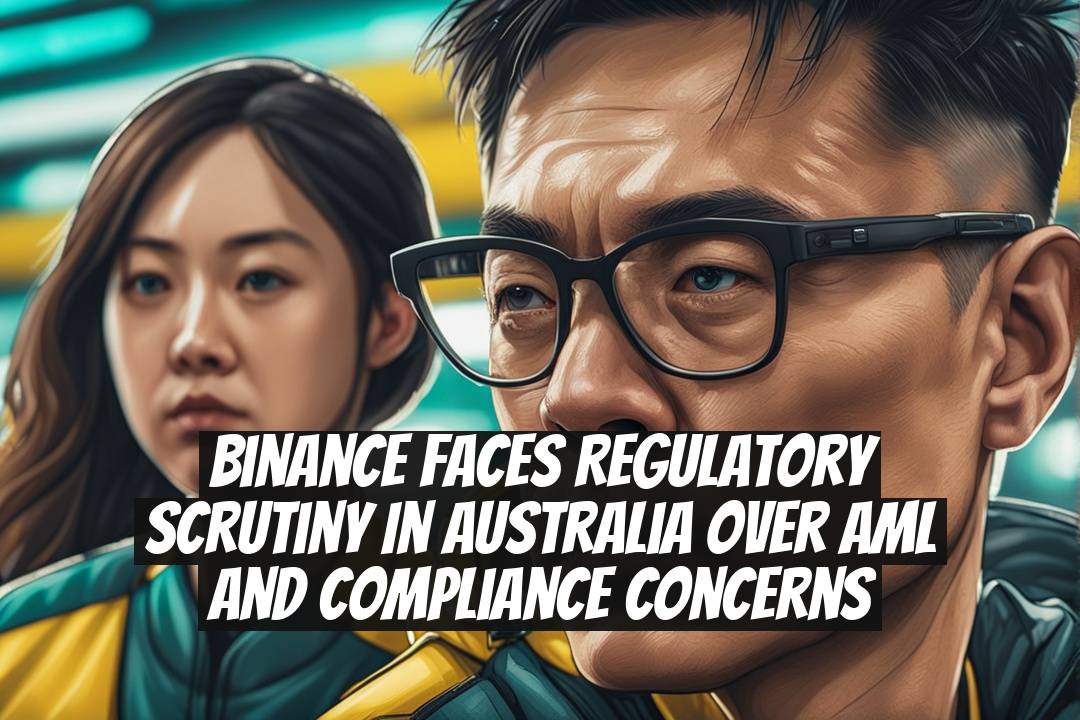
Is Binance’s Australian Compliance Wobble a Sign of Trouble for Crypto Investors?
Binance, the world’s largest cryptocurrency exchange by trading volume, has found itself under the regulatory microscope in Australia due to concerns over anti-money laundering (AML) and compliance controls. The Australian Transaction Reports and Analysis Centre (AUSTRAC) has mandated Binance Australia to appoint an independent external auditor, citing serious gaps in governance, customer due diligence, and transaction monitoring[1][2][3]. This development raises important questions about how regulatory pressures will shape the future of crypto markets-not just in Australia, but worldwide.
Key Takeaways from Binance’s Regulatory Challenge in Australia ?
AUSTRAC identified weak AML and counter-terrorism financing (CTF) governance within Binance Australia’s operations.
Binance must appoint an independent external auditor within 28 days for AUSTRAC’s approval to strengthen its controls.
Issues highlighted include limited scope of internal reviews, high staff turnover, and insufficient senior local management oversight.
The case exemplifies the growing regulatory scrutiny on global crypto exchanges to meet local legal standards.
Despite Binance’s downplaying the action as routine oversight, this adds pressure on the exchange amid ongoing global regulatory challenges.
Subscribe to our Social Media for Exclusive Crypto News and Insights 24/7!
Why Is AUSTRAC Pushing for a Fresh Look at Binance’s Compliance? ?

AUSTRAC’s directive stems from several concerning findings in Binance Australia’s AML/CTF practices. While Binance operates as a global heavyweight in crypto trading, regulators stress that big isn’t always better when local compliance risks are misunderstood or ignored[1][3]. Specifically:
Internal reviews by Binance were too narrow in scope relative to the range and risk of services offered.
High turnover rates have weakened consistency and expertise in compliance teams.
Local leadership did not provide robust oversight critical for anti-financial crime frameworks.
AUSTRAC CEO Brendan Thomas summed it up well: global operators might appear well-resourced but if they don’t understand local money laundering and terrorism financing risks, they’re failing regulatory obligations in Australia[1][3]. This message extends beyond Binance, urging all crypto firms to respect unique local risk landscapes.
What This Means for the Crypto Market: An Analyst’s Perspective ??

From a crypto analyst’s chair, this regulatory intervention is a wake-up call for the entire cryptocurrency ecosystem. Binance’s situation underscores:
Regulatory environments are evolving rapidly. Crypto firms can no longer presume that global scale or reputation shields them from granular local scrutiny.
The compliance bar is rising. Exchanges must invest in comprehensive AML/CTF governance, advanced transaction monitoring, and local management accountability.
Risk to investor confidence. Regulatory actions can shake trust, cause operational disruptions, or lead to costly penalties-impacting market liquidity and sentiment.
A broader crackdown trend. Australia’s move echoes similar global measures seeking stronger frameworks to deter illicit finance through crypto.
For investors, it highlights the importance of diligence-both in vetting platforms and staying attuned to jurisdiction-specific regulatory developments.
The Emotional Landscape: How Does This Feel for Investors? ?
Imagine you’re chatting with a friend at a café who’s excited about putting money into crypto via Binance. Suddenly, news breaks: the exchange must undergo an urgent regulatory audit because of alleged compliance gaps. The feeling might oscillate between nervousness and uncertainty-Is my money safe? Could regulatory trouble mean sudden withdrawal limits or account freezes? That emotional undertone is real and justified.
It’s not just about legal procedures or policies; it resonates deeply with investors’ fears of losing access or facing disruptions. But remember-regulators are aiming to make the ecosystem safer by rooting out dark practices, which ultimately protects legitimate investors and fosters sustainable growth.
Practical Tips for Investors Navigating the Binance Regulatory Storm ?️
If you’re invested in cryptocurrencies via Binance or considering the platform, here’s what you can do:
Stay informed. Follow credible news sources and official updates from AUSTRAC and Binance.
Diversify your holdings. Avoid putting all assets on a single platform to mitigate operational risks linked to regulatory challenges.
Understand platform compliance. Check if your exchange is registered and compliant with local regulators. Australian users should verify AUSTRAC registration status.
Use strong security practices. Even amid regulatory uncertainties, safeguard your accounts with two-factor authentication and strong passwords.
Have an exit strategy. Prepare to move assets if regulatory crackdowns impact access or introduce unwelcome delays.
Personal Thoughts: Is Binance’s Compliance Remote Glitch or a Harbinger? ?
Speaking as a crypto analyst who’s seen regulatory tides come and go, Binance’s scenario in Australia is definitely concerning but not catastrophic-yet. The company’s global prominence means it will rigorously address AUSTRAC’s demands to maintain market trust. Still, it’s a signal that regulatory complacency is a luxury the crypto sector can’t afford anymore. The days of crypto wild west are winding down; structured compliance and governance are the new essentials.
This scrutiny also pushes the market toward maturity. Stronger safeguards and transparency build long-term legitimacy, which benefits investors by minimizing fraud and systemic risks. So while the immediate news may trigger angst, it also opens the door for a healthier, more resilient crypto future.
Wrapping Up: Is It Time to Reassess Trust in Crypto Platforms? ?️
Binance’s regulatory hurdle in Australia invites us all-investors, traders, and observers-to ask: How well do we really understand the compliance frameworks of the exchanges where we entrust our assets? And beyond Binance, can the crypto industry collectively rise to meet these evolving demands without losing innovation’s spark?
If you’re an investor, it’s a moment to pause and reflect on your risk tolerance and due diligence practices. As the regulatory landscape shifts, your awareness becomes your best defense.
Explore more on topics like:
Binance Faces Regulatory Scrutiny in Australia Over AML and Compliance Concerns
Binance Australia AML audit
Cryptocurrency regulatory compliance
Sources:
[1] https://crypto.news/binance-faces-mandatory-audit-in-australia-over-compliance-concerns/
[2] https://coinpedia.org/news/binance-in-trouble-as-australias-austrac-orders-urgent-aml-audit/
[3] https://www.financemagnates.com/cryptocurrency/binance-australia-has-serious-concerns-around-aml-controls-must-appoint-auditor/
[4] https://economictimes.com/crypto-news-today-live-22-aug-2025/liveblog/123439323.cms
[5] https://www.ainvest.com/news/austrac-mandates-binance-audit-global-crypto-giants-face-stricter-local-scrutiny-2508/