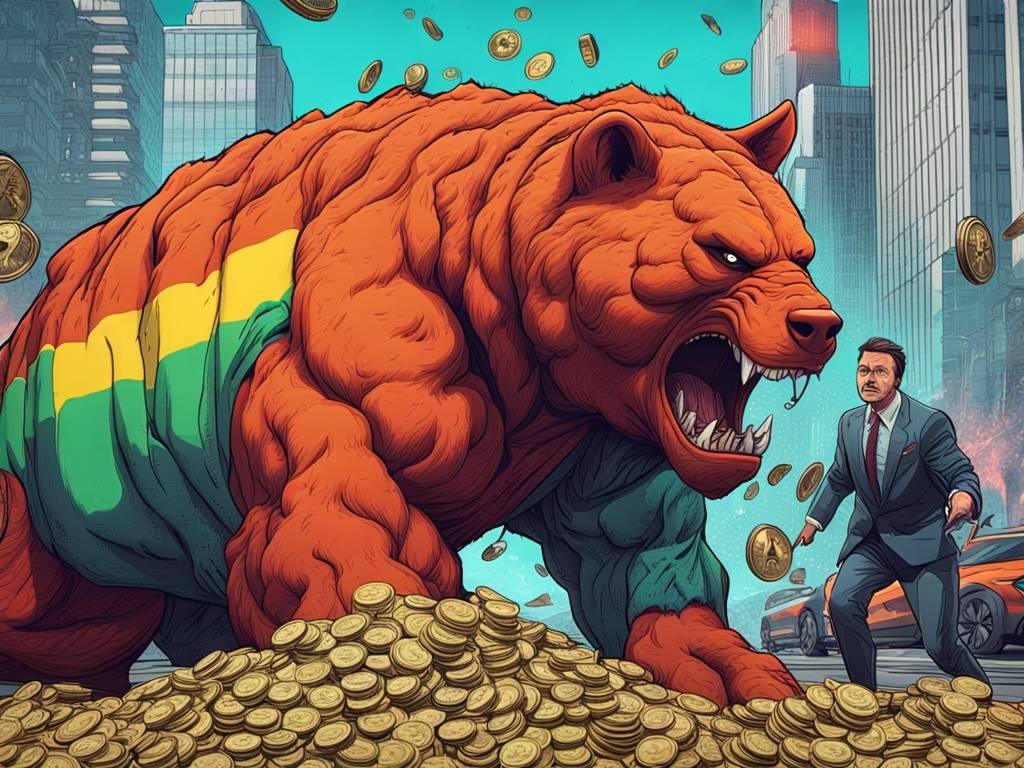
Market Update: A Severe Downturn in Cryptocurrency ?
The cryptocurrency sector experienced a significant decline over the past weekend, losing approximately $2.24 billion within a span of just 24 hours. Ethereum (ETH) faced the most drastic effects, plunging below the $3,000 mark, which led to over $600 million in liquidations across various platforms. This swift sell-off stemmed from rising global tensions linked to President Trump’s recent trade tariffs, undermining investor sentiment.
Ethereum took the brunt of the crisis, with liquidations exceeding $609 million, as per market analytics. The resulting panic not only affected Ethereum but also contributed to sharp declines in other major altcoins like Cardano (ADA) and Solana (SOL).
Is Another Drop in Crypto Prices Imminent? ?
Subscribe to our Social Media for Exclusive Crypto News and Insights 24/7!
Market experts caution that continuing political and economic instability could lead to further decreases in the values of Ethereum and other cryptocurrencies. Investors are keenly assessing whether major assets like Bitcoin and Ethereum can maintain crucial support levels or if they are heading towards another dip.
Trade Wars Intensify Market Concerns ️

The primary catalyst behind this sell-off is the escalating trade conflict between the United States and various other countries. Recently, the U.S. implemented a 25% tariff on imports from Canada and Mexico, in addition to a 10% tariff on goods from China. In retaliation, Canada has enacted its own tariffs on American products.
President Trump has alluded to the possibility of targeting the European Union and BRICS nations with additional tariffs if they proceed with plans to create a new currency. These rising tensions are fostering fears of inflation, potentially delaying cuts in interest rates, and adding to the broader economic uncertainty that is heavily weighing on the cryptocurrency market.
Can Greed Be Erased from the Market? ?
The substantial sell-off notably impacted major cryptocurrency exchanges, with Binance accounting for 36.8% of the liquidations. Other platforms such as OKX, Bybit, and Gate.IO also reported substantial losses. The majority of the liquidated positions (about 84%) were from long traders who were anticipating a market recovery, yet they experienced considerable losses as the situation escalated.
As overall market sentiment shifts towards “fear,” many investors are reevaluating their strategies. Historically, such fear can indicate a potential buying opportunity; however, with current global tensions and economic unpredictability, it remains difficult to forecast future movement.
Market Sentiments Under Review ?
Peter Schiff, a prominent critic of Bitcoin, recently indicated that the current downturn might signal the onset of a prolonged “crypto winter.” In an update on social media, he highlighted Bitcoin’s 7% drop, placed above $93,000, and remarked on Ethereum’s steep 33% decline to as low as $2,100. Using the metaphor of Punxsutawney Phil, the groundhog famously associated with predicting the duration of winter, he underscored his belief that the cryptocurrency market may be in for a lengthy struggle.
On the other hand, Bitcoin supporter Michael Saylor urged individuals to hold onto their Bitcoin amidst the ongoing sell-off triggered by macroeconomic stressors, which also contributed to a total market decline of nearly $360 billion.
Frequently Asked Questions
The decline in Ethereum’s value can be attributed to escalating global trade tensions and tariffs, which have sparked panic selling and resulted in liquidations exceeding $600 million.
Hot Take: Navigating Future Challenges ?
As the cryptocurrency market grapples with significant volatility and macroeconomic pressures, traders and investors must navigate these challenges with a careful strategy. Understanding the broader implications of political decisions and market conditions will be crucial in determining the future trajectory of cryptocurrencies. The unfolding scenario serves as a stark reminder of the intricate relationship between traditional economic factors and the digital asset landscape.