? Crypto’s Role in Shipping: Is Panama Leading the Charge? ?
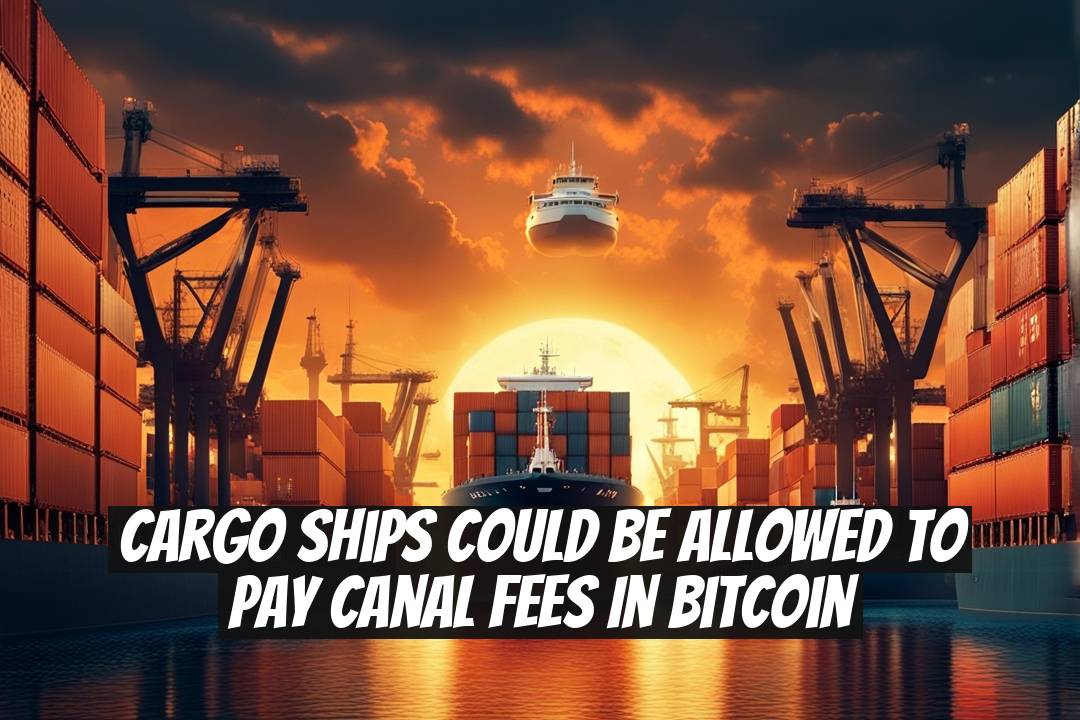
Alright, let’s dive right in, shall we? You might be wondering how paying transit fees in Bitcoin could shift the tides in the shipping industry. Coming from an Irish American perspective, I can’t help but feel a little excitement tinged with skepticism. It’s a classic blend of ambition and practicality, much like the stories of my ancestors who set sail seeking a new life. Mayer Mizrachi, the mayor of Panama City, is floating a bold idea: offer cargo ships a fast track through the Panama Canal if they pay their tolls in Bitcoin. This is like a mega-shot of innovation into a centuries-old process, and it’s got the crypto world buzzing.
Key Takeaways:
- Mayer Mizrachi proposes Bitcoin payments for expedited passage through the Panama Canal.
- Current shipping rules are first-come, first-served, leading to potential pushback from smaller companies.
- Panama could potentially tap into a $5 billion revenue stream from the canal.
- There are significant challenges, including fluctuating Bitcoin prices and regulatory hurdles.
Subscribe to our Social Media for Exclusive Crypto News and Insights 24/7!
? A Fast Pass for Bitcoin? How Trust Plays a Role
Mizrachi’s proposition isn’t just a quirky remark; it poses some intriguing questions about the intersection of technology and traditional infrastructure. The mayor hinted that if ships could pay in Bitcoin, they’d “cut the line” - a tantalizing offer, especially in a system that often feels like it moves at a snail’s pace.
But imagine this: you’re a shipping magnate, weighing your options. Do you stick to the old ways and wait in line, or do you embrace this digital currency trend? This becomes a question of trust. The maritime industry has existed for ages, and suddenly, a digital currency is proposed as a ticket for faster service. It’s a leap of faith that could usher in new efficiencies but also raises eyebrows.
Practical Considerations:
- Regulatory Approval: Any change to the canal’s rules would need the blessing of the Panama Canal Authority and the national government. That’s where the bottleneck might occur.
- Price Volatility: Bitcoin is known for it’s swings. The fee one day might be 50 BTC, and who knows what it could be the next. A sturdy exchange system would be essential to mitigate risk.
- Inclusion vs. Exclusion: Larger companies might embrace the changes for efficiency, but what happens to smaller companies that can’t afford to pay the premium?
️ The Fairness Factor: Who Wins? Who Loses? ?️

Let’s be honest here. If one segment of an industry can zip past another by throwing money at a cryptocurrency, it raises serious fairness concerns. Shipping companies might feel left in the lurch. This isn’t just economics in a vacuum; it’s about families, jobs, and livelihoods. For someone like me, who knows the struggles of hard work, this situation seems tangled up in the very fabric of fairness and inclusiveness.
The cries of “unfair tolls” echo memories of political debate-like when former President Trump hinted at reclaiming the Canal back in late 2024. Such sensitivities mean Mizrachi’s proposition might ruffle feathers and face pushback beyond the shipping industry.
? Crunching the Numbers: A $5 Billion Opportunity ?
Now, let’s talk about the heavy lifting-money. The Panama Canal rakes in about $5 billion in revenue annually, which isn’t pocket change. Nearly 10,000 ships pass through, handling about 5% of global maritime commerce. In this light, even a small integration of Bitcoin payments could lead to significant shifts in how these operations are managed.
However, municipalities and governing bodies would have to establish a plan to stabilize Bitcoin’s notorious price fluctuations. Imagine if you’re in the middle of a multi-million dollar deal and the price shoots up overnight. Panic wouldn’t even begin to describe the chaos!
Personal Insights:
- Ideally, I think we need a balance here; an innovative approach that doesn’t leave anyone behind. Governments should be looking into ways to protect smaller organizations while encouraging new tech.
- Plus, how cool would it be if the future of shipping worked hand-in-hand with crypto? It could signal a huge shift toward broader crypto acceptance.
? Moving Beyond the Surface: A City-Level Crypto Initiative? ?
Mizrachi isn’t stopping at just shipping. He’s also pushing for a city-level cryptocurrency framework where residents could pay fees and taxes in Bitcoin, Ethereum, and stablecoins like USDC. Imagine that! Living in a city where crypto could be a legitimate currency for everyday transactions.
However, Mizrachi’s vision needs legislative support. It’s still in the proposal stages-meaning there’s some legwork ahead before any of this becomes a reality. But the mere suggestion opens up an exciting dialogue about how digital currencies might shape our local economies.
Final Thoughts:
This is a time for both optimism and caution. If implemented thoughtfully, Mizrachi’s ideas could set Panama City apart as a progressive player on the global stage.
So, here’s the kicker: How do we ensure that progress doesn’t leave behind those who need it the most? What will you keep an eye on as this proposal develops? Let’s keep this conversation going!