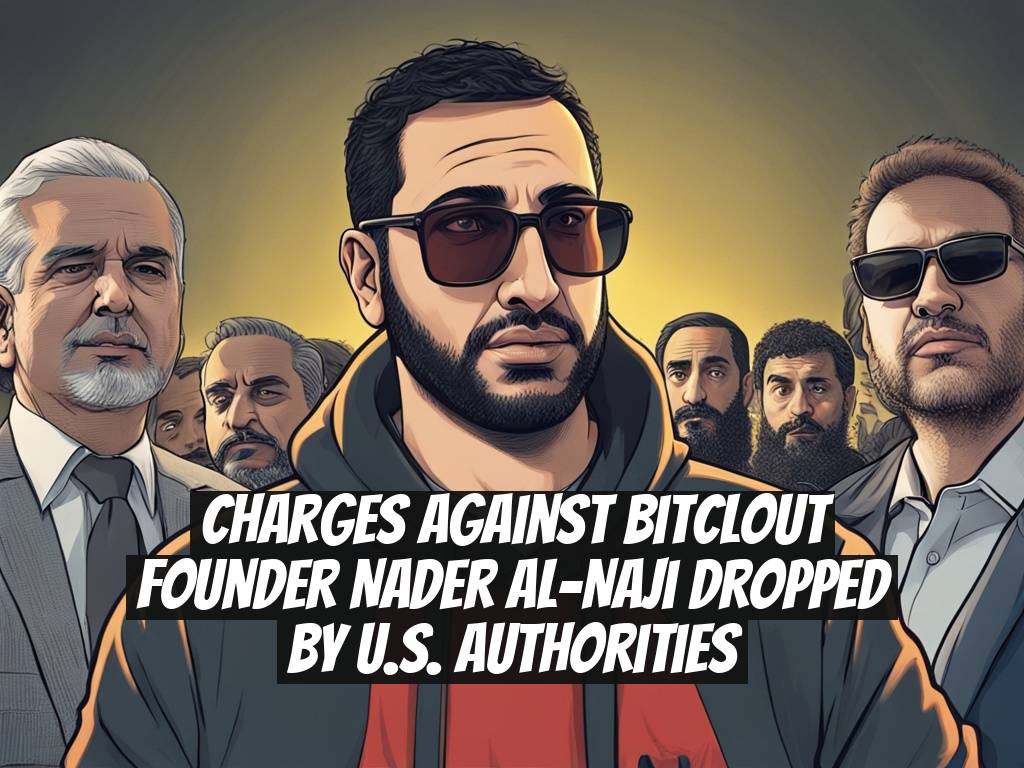
What Does the Dismissal of Charges Against BitClout’s Founder Mean for the Crypto Market? ?
Hey, everyone! Today, I want to dive into a pretty fascinating development in the crypto space involving Nader Al-Naji, the founder of the decentralized social network BitClout. There’s a lot to unpack here, especially regarding what this means for the broader crypto market and our future investments. It’s like riding a roller coaster, isn’t it? Sometimes exhilarating, sometimes nerve-wracking!
Key Takeaways:
- U.S. authorities have dropped charges against BitClout founder Nader Al-Naji.
- The SEC accused Al-Naji of fraud and misusing investor funds.
- Dismissal could set precedents for regulatory treatment of decentralized projects.
- The crypto community is watching closely for implications on compliance and growth.
Subscribe to our Social Media for Exclusive Crypto News and Insights 24/7!
Let’s get into the nitty-gritty! So, first things first: Why was Al-Naji in hot water? Well, back in March 2021, he was accused of wire fraud and selling unregistered securities. According to the SEC, he allegedly raised about $257 million by selling BitClout’s native token, BTT, while diverting a whopping $7 million for personal expenses. Think about that-luxury living and gifts while claiming to be a part of something decentralized! ?️
When the news broke that the SEC and the DOJ had dropped all charges against him, it sent ripples throughout the crypto community. Why? Because this might shift how regulators view other decentralized projects. If the allegations against Al-Naji can just evaporate like that, what does it mean for other projects claiming to be decentralized? Is there a new trend where the rules are a little more flexible?
? SEC’s Allegations and Its Impact
Historically, when the SEC sniffs out something it deems suspicious, it usually acts pretty aggressively. They accused Al-Naji of trying to create a facade of decentralization while simultaneously securing legal backing to suggest that the BTT tokens weren’t securities. The SEC called this a blatant attempt to mislead investors. Yikes!
For us, this raises some eyebrows. It signals that while the crypto world is evolving, the regulatory landscape is still uncertain. The fact that they dropped charges doesn’t mean everything’s clear sailing. Instead, it highlights the thin line that many projects are walking. Are they safeguarding themselves against regulations? Or risking it for a chance at success? The stakes are high, my friends!
? What It Means for Future Investors

Now, let’s pivot to how you might consider this information as a potential investor. If you’re looking into projects, I’d recommend doing the following:
Research the Team: Always check out who’s behind the project. Are they legitimate? Have they had legal problems before? If you’re going to invest, make sure you aren’t throwing your hard-earned money down a rabbit hole.
Understand Compliance: Look for projects that actively address regulatory compliance. Those that prioritize it are probably thinking several steps ahead, which is comforting when you’re about to invest.
Decentralization Delusions: Be cautious about how projects present themselves regarding decentralization. Just because a project claims to be decentralized doesn’t mean it’s impervious to regulations or safe from scams.
- Stay Informed: Keep an eye on legal developments in the crypto space. The way authorities handle cases like Al-Naji’s can be indicators of future regulatory trends.
? Bigger Implications for the Crypto Landscape

So, what’s next? The dismissal of these charges could embolden other teams that were holding back due to potential legal ramifications. If Al-Naji can come out relatively unscathed, are more projects going to take that leap into similar waters, confident that they won’t sink?
Imagine a world where innovative projects could more freely explore the decentralized territory without the suffocating pressure of immediate regulatory compliance. But hold your horses-every pro has its con. A surge in “decentralized” projects could also mean an influx of scams, highlighting the necessity for us to be diligent in our investments.
What’s exciting-and a bit daunting-is how this case could set a precedent. The crypto community is famous for riding the waves of uncertainty. If we look back in a few years and see a vibrant ecosystem born from this new understanding of decentralization and compliance, it could transform how we invest. On the flip side, if it encourages a free-for-all mentality, we could see another upheaval in the market like the one we experienced in 2017.
? My Personal Insights
I know this is a wild ride. As someone who has invested my fair share into this space, the thrill-and sometimes panic-can be overwhelming. It’s crucial for us to remain pragmatic, adapting to the ebbs and flows of regulations and innovations. Don’t just ride the hype; anchor yourself with knowledge and critical analysis.
In the end, crypto is about more than just making a quick buck. It’s about believing in technology that can reshape our world for the better, but we gotta stay grounded and ensure we’re making educated choices.
So, my amigo, as we wrap up this discussion, let’s ponder one crucial question: How do you think the future evolution of regulatory approaches will shape innovative projects in the crypto space? Will we see a new dawn of decentralized glory, or are we just at the start of a legal tug-of-war? ?