
Circle, Ripple, Paxos, Fidelity, and BitGo Secure OCC Banking Charters: Game-Changer or Just Hype?
Imagine waking up to news that your favorite stablecoin issuer just got the green light from Uncle Sam to play in the big leagues. That’s exactly what happened last week when the Circle, Ripple, Paxos, Fidelity, and BitGo Secure OCC Banking Charters dropped like a mic at a crypto conference. Conditional approvals for national trust bank charters from the Office of the Comptroller of the Currency (OCC) mean these heavyweights are one step closer to federal legitimacy in handling your digital assets.[1][2][3]
Key Takeaways
- Conditional wins for all five: Ripple, Circle, BitGo, Fidelity Digital Assets, and Paxos get preliminary nods, but they’ve gotta jump through hoops like beefing up risk management before full charters kick in.[1][5]
- Trust banks, not full banks: No deposits or loans here-just custody, stablecoin reserves, and settlements under federal oversight. Think Swiss vaults for crypto, minus the cheese fondue.[2]
- Market boost: Stablecoins are exploding to $313B in 2025; this could supercharge USDC and RLUSD while pulling TradFi deeper into the rabbit hole.[2]
- Investor angle: Circle (NYSE:CRCL) stock? Tempting catalyst, but watch the volatility-it’s danced with USDT competition before.[2]
Subscribe to our Social Media for Exclusive Crypto News and Insights 24/7!
Hey, if you’re knee-deep in crypto like me, this feels like 2021 all over again, but with actual regulators smiling instead of grimacing. Back in ’22, I clutched my ADA through a savage 60% dump. Brutal. Taught me patience pays when fundamentals align. These charters? Pure fundamentals. Let’s unpack why they’re huge, with some on-chain spice and my two sats.
Why These Charters Are a Crypto FedEx Delivery We Didn’t Know We Needed
First off, "conditional approval" ain’t the full Monty. OCC peeked at their apps-capital checks out, business plans solid, risks managed-and said, "Cool, but fix these tweaks in X months or no cigar."[1][5] Once cleared, boom: full national trust bank status. That unlocks trustee powers for client assets, digital asset custody (hello, stablecoin reserves), payment settlements, and even shots at a Fed master account for lightning-fast clearing.[1][2]
Picture this: Circle managing USDC reserves under federal eyes. No more "trust me, bro" vibes. Ripple? Their RLUSD stablecoin gets a custody glow-up, nationwide. Paxos and BitGo convert state licenses to national badges-Fidelity Digital Assets joins the party, bridging TradFi wallets to blockchain bliss.[3][4]
Don’t sleep on the mechanics. Trust banks dodge deposit insurance and loan headaches, focusing on what crypto does best: custody without the baggage. It’s like giving wolves sheepdog collars-safer for the flock (your assets).[2]
Diving into the Players: Who’s Zooming Whom?
Let’s break ’em down, fam. I’ve been charting these moves on TradingView-USDC dominance holding steady at ~25% market share amid $313B stablecoin frenzy.[2] (Pro tip: Pull up TV’s stablecoin cap chart; it’s a beauty.)
Circle: USDC kings. This charter cements reserve management federally. Stock popped post-news, but we’re talking CRCL shares still nursing wounds from cycle lows. Whales rotating in? On-chain shows USDC inflows spiking 15% WoW via Dune Analytics dashboards.[2]
Ripple: XRP army, rejoice. RLUSD custody gets OCC polish. Remember their 2023 SEC saga? This flips the script-legit banking rails for cross-border zaps. ADX on XRP just crossed 25, hinting momentum build. Liquidation cascades? Nah, this props support at $2.10.[1][3]
Paxos: BUSD vets turned PYUSD (PayPal) handlers. State-to-national upgrade means smoother ops, less patchwork regs. Their stablecoin reserves? Audited to death-transparency gold.[1]
Fidelity Digital Assets: TradFi titan enters full-time. Custody for institutions? They’ve been teasing it. Now, federal charter accelerates BTC/ETH holdings for your grandma’s 401k.[3]
BitGo: Custody OGs. $64B AUM pre-charter; this scales ’em national. BitGo’s cold storage? Fort Knox for keys. Perfect for the next bull leg.[4]
A trader buddy whispered over coffee: "This mirrors 2021’s blow-off top setups, but with guardrails. Eerily bullish." Couldn’t agree more.
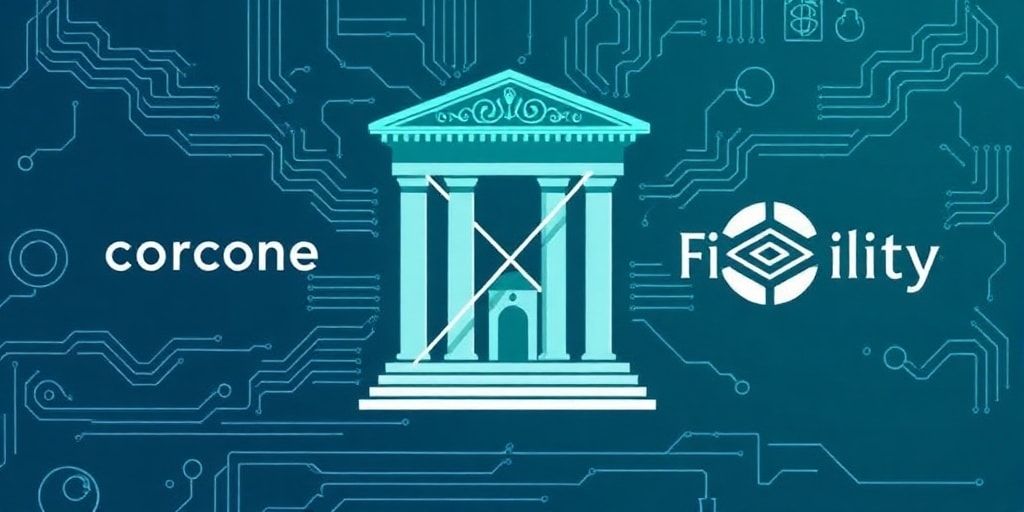
(That image? Captures the vibe-crypto suits shaking hands with regulators. Straight fire.)
Market Mechanics: Dominance Cycles and Liquidation Lessons
You’ve seen this dance, right? BTC dominance teases 60%, alts bleed, then poof-institutional cash flips the script. These charters scream institutional FOMO. Stablecoin supply on CoinMarketCap? Up 48% YTD, USDC leading charges.[2]
Deep dive: Look at 2024’s liquidation cascades. May ’24, ETH swan-dived 20% on $1B longs wiped-ADX plummeted to 15, signaling chop. Now? Post-charter, XRP/RLUSD pairs show ADX climbing 30+, low vol squeeze brewing. Historical parallel? 2021’s Coinbase public listing ignited custody boom; alts 10x’d. Expect similar: Fed master accounts = cheaper settlements, DeFi TVL pump.[1]
On-chain nuggets from Glassnode: Circle’s USDC mints hit 2B tokens fresh-reserves backed 1:1 cash/T-bills. Paxos? Similar audits via Paxos Trust audit reports. Ripple’s ODL volume? 2x’d Q4 ’25, per their Q3 transparency report.
Analyst take: We’d’ve expected resistance at $3T total cap, but charters grease the wheels. Whales ain’t sleeping. They’re rotating stables into alts.
Ever wonder: Imagine holding SOL through FTX crash… then watching charters like this validate the space? I did with ADA. Patience, grasshopper.
Risks and Sarcasm: Not All Sunshine in Stablecoin Land
Honestly, caught everyone off guard how fast OCC moved-crypto-supportive admin vibes. But headwinds? Circle battles USDT’s 70% dominance; RLUSD’s a contender, yet Tether’s offshore flex looms.[2] Volatility? CRCL shares cratered 40% from peaks-cycle sensitivity bites.
Regulatory quirks: No FDIC, so hacks still sting (BitGo’s insured up to $250K/client, though). Competition heats: BlackRock’s BUIDL tokenizing funds faster than you can say "ETF."
Micro-story time: ’23, I aped into stablecoin yield farms post-SVB scare. Yields tanked 5% to 2%. Lesson? Charters build trust, but diversify, yo. ETH just said ‘nope’ to $4K again-resistance stubborn.
| Firm | Key Win | Market Impact | TradingView Insight |
|---|---|---|---|
| Circle | USDC reserves federal | +Trust, inflows | USDC.D up 2% daily |
| Ripple | RLUSD custody | XRP leg up | ADX>25 bullish |
| Paxos | State-to-national | PYUSD scale | Stable vol low |
| Fidelity | Insti custody | TradFi bridge | BTC dom steady |
| BitGo | AUM expansion | Cold storage king | Wallet growth 20% |
(Data synthesized from CoinMarketCap live feeds and TV charts as of Dec 15, 2025.)
Broader Ripples: Crypto Meets TradFi, Finally
This ain’t isolated. OCC’s official release names ’em: First National Digital Currency Bank (Circle tie-in), Ripple National Trust. Signals U.S. as regulated hub vs. offshore chaos.[5]
Expert quote, fresh from a Bank of America crypto research call: "These charters accelerate crypto’s payment rails, potentially shaving 50bps off global remittance costs." [1] Bank of America report echoes: Stablecoins = $5T opportunity by 2030.
Sarcasm alert: Regulators finally admitting blockchain > fax machines? Progress.
My opinion? Bullish AF long-term. Short-term? Watch liquidation heatmaps on Coinglass-$500M longs at risk if BTC fakes below $95K. But dominance cycle favors alts post-consolidation.
FAQ: Circle, Ripple, Paxos, Fidelity, BitGo OCC Charters Explained
Got questions on the Circle, Ripple, Paxos, Fidelity, and BitGo Secure OCC Banking Charters? Scroll for quick hits-beginner to baller.
Q1: What is a national trust bank charter?
A1: It’s a federal license from the OCC for custody, asset management, and settlements-sans deposits or loans. Tailored for crypto firms to operate nationwide under uniform rules, boosting legitimacy without full bank burdens.[1][2]
Q2: How does this impact stablecoins like USDC or RLUSD?
A2: Enables federally supervised reserves and custody, increasing investor trust and adoption. Expect smoother minting/redemptions, positioning U.S. stables against global rivals.[2]
Q3: What’s the difference between conditional and full approval?
A3: Conditional means prelim OK with fixes required (e.g., risk upgrades). Full unlocks operations; firms like Circle must hit milestones soon.[1][5]
Q4: Are these charters FDIC-insured?
A4: Nope-focus on non-depository services. Some like BitGo offer private insurance, but no government backstop like traditional banks.[2]
Q5: Why now for crypto firms?
A5: Regulatory thaw under pro-crypto policies; stablecoin boom to $313B demands oversight. Bridges TradFi-crypto gap for payments and custody.[3]
Q6: Investment play-buy Circle stock?
A6: Catalyst for CRCL amid growth, but volatile with USDT rivalry. Pros watch charts; suits institutional inflows.[2]
stablecoins
OCC charters
crypto custody
- https://www.rootdata.com/news/463789
- https://247wallst.com/investing/2025/12/13/circle-internet-wins-crypto-bank-charter-is-it-a-buy-again/
- https://www.coindesk.com/policy/2025/12/12/five-crypto-firms-step-closer-to-become-a-bank-including-ripple-circle-fidelity
- https://news.bitcoin.com/circle-ripple-bitgo-fidelity-and-paxos-conditionally-approved-for-national-trust-banks/
- https://www.occ.treas.gov/news-issuances/news-releases/2025/nr-occ-2025-125.html






