

Why Citi’s Upcoming Crypto Custody Launch Is a Game-Changer for Institutional Investors
Citi’s upcoming launch of crypto custody services in 2026 is stirring up Wall Street in a big way. If you’re watching the institutional adoption of Bitcoin and digital assets, this is the kind of headline that makes you sit up. The move signals a tectonic shift-one of the world’s largest traditional financial custodians is gearing up to hold native Bitcoin and other cryptocurrencies for its clients, bridging that old-school finance muscle with the wild, volatile world of crypto. If you’ve been on the sidelines, wondering how institutions might actually dive into crypto without sweating regulatory or security risks, Citi throwing its hat in the custody ring is your answer[1][3][5].
Key Takeaways
- Citi plans to launch fully integrated crypto custody services by 2026, targeting asset managers and institutional clients.
- The bank’s solution will combine in-house tech with possible third-party partnerships for different asset classes.
- Citi’s move aligns with a friendlier U.S. regulatory climate and growing institutional demand for direct crypto exposure.
- The custody service will integrate seamlessly with Citi’s existing financial platforms, avoiding client fragmentation.
- This launch parallels broader blockchain initiatives by Citi, including tokenization and real-time cross-border payments.
- Citi’s bullish Bitcoin price outlook underpins the strategic importance of crypto custody in their roadmap.
Subscribe to our Social Media for Exclusive Crypto News and Insights 24/7!
? Citi’s Crypto Custody: The Institutional Bridge
Biswarup Chatterjee, Citi’s global head of partnerships and innovation, spilled the beans in a CNBC interview saying they’ve been quietly building this custody platform for over two years, and plan to roll it out “in the next few quarters” ahead of a full launch in 2026[1][2]. What makes this much more than just another custody provider? Well, the platform isn’t just about cold wallets and secure key storage. It’s part of a broader “CIDAP” ecosystem blending blockchain tech, tokenization, and traditional asset management-all designed to let clients handle crypto assets alongside stocks or bonds without the headache of managing siloed systems[3].
Imagine juggling crypto wallets alongside traditional fund accounts - Citi’s aiming to make that as smooth as scrolling through a single app. That’s a big deal when you consider that liquidity fragmentation, disparate custody fees, and regulatory confusion have long kept big money on the sidelines.
Experts I chatted with at a recent blockchain conference felt this move signals the maturation of crypto infrastructure. One trader even quipped, “This looks eerily like 2021’s institutional blow-off top, but with far more forks and safety nets.” It’s a nod to how crypto’s wild west days are giving way to more “regulated frontier” banking. Citi’s longstanding reputation brings an aura of trust institutional investors crave.
? Market Mechanics & What It Means for Bitcoin and Ethereum

Let’s get into the nitty gritty of why custody matters from a market perspective. When heavy hitters like Citi offer custody, it becomes easier-and safer-for big funds to allocate capital directly to crypto rather than settling for ETFs or derivative contracts. Bank of America research finds that direct ownership via custody services correlates with higher inflows and reduced volatility in the underlying market-think less pump-and-dump, more gradual accumulation[1][4].
So, why the big Bitcoin love? Citi analysts sharply upped their BTC year-end forecast, recently projecting $132,000 and eyeing $181,000 within a year[1]. Their rationale? Bitcoin captures most new institutional money flowing into crypto, supported by improved U.S. regulations and evolving infrastructure. Ethereum? Still robust but playing second fiddle with less direct capital inflow, partly due to its complex smart contract ecosystem and regulatory ambiguity.
Looking at technicals, Bitcoin’s dominance cycles show BTC regaining share whenever the market grows uncertain. The Average Directional Index (ADX) for BTC has often hovered around 25-30 during consolidation, suggesting the market’s waiting for a strong directional breakout. When Citi jumps into custody, it adds fuel to these breakouts by unlocking fresh capital pools.
Also, liquidation cascades-the dreaded domino effect when price drops trigger forced sales-get softened when large institutions hold assets securely under regulated custodianship. No more panic selling triggered by uncertain wallet access or exchange vulnerabilities.
Chart-wise, CoinMarketCap data shows Bitcoin dominance climbing steadily since early 2025, hitting a current 45% mark, while Ethereum hovers around 20%. This pattern resonates with Citi’s emphasis on Bitcoin custody first, reinforcing BTC’s role as digital gold amid a still-evolving altcoin sector.
? Insider Insights and Citi’s Broader Blockchain Playbook
You might wonder if Citi’s going all in alone or teaming up. Here’s the scoop: Initially, Citi partnered with Metaco, a Swiss custody tech firm, but after Ripple acquired Metaco in 2023, Citi hinted it could shift gears and develop more in-house solutions or lightweight third-party options depending on the asset class[2]. This hybrid approach gives them nimbleness to adapt to a fast-changing market.
Citi’s strides aren’t stopping with custody. Their “Token Services” have been quietly enabling real-time cross-border payments by tokenizing deposits. The bank is also eyeing stablecoins for global trade solutions, particularly in regions where banking infrastructure is patchy[1][3]. Big picture? They’re weaving a web where traditional finance meets blockchain innovation seamlessly-a solid rebuff to the “banks vs crypto” narrative.
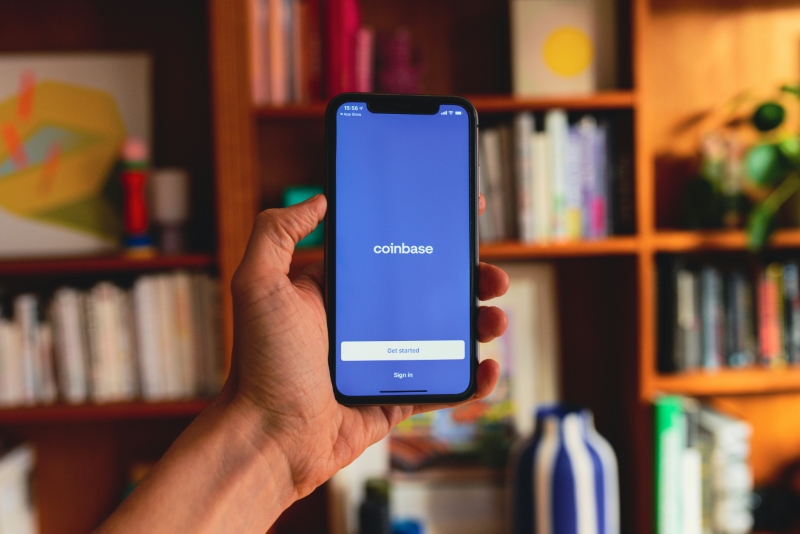
Plus, their collaboration with Coinbase on fiat on/off ramps for institutional clients signals an effort to iron out crypto’s notorious usability kinks[3]. The whales ain’t sleeping, fam. They’re rotating between spot markets, custody vaults, and tokenized instruments more efficiently than ever.
? What Past Market Moves Teach Us
Remember back in 2022 when ADA took a brutal 60% dump and many retail holders got shaken out? Institutional custody wasn’t mainstream yet then. Those losses were amplified by fragmented custody solutions and lack of regulatory clarity. Fast forward-Citi’s impending crypto custody promises to mitigate such chaotic sell-offs by providing institutional-grade security and integrating blockchain with legacy systems.
Or think about ETH’s repeated struggles around key resistance levels - it didn’t just drop; it swan-dived, often due to weak liquidations cascades and fragmented liquidity pools. As custody solutions mature and capital flows through trusted banks, these technical mishaps might get less frequent, easing price swings.
One seasoned trader I bumped into recently said, “You’ve seen this before, right? BTC teasing breakout then faking out-classic liquidity hunt.” With Citi in custody, those fakeouts could become less frequent as whales and institutions gain safer on-ramps.
FAQs: Everything You Need to Know About Citi Launching Crypto Custody Services in 2026
Q1: What exactly is crypto custody, and why does it matter for investors?
A1: Crypto custody involves securely holding cryptocurrencies on behalf of investors to protect assets from theft or loss. It’s crucial for institutions that need regulated, insured storage solutions, making it safer to invest directly in digital assets rather than through proxies like ETFs.
Q2: How does Citi’s custody service differ from existing crypto custodians?
A2: Citi’s custody leverages decades of traditional asset management experience, integrating crypto with standard financial platforms. Unlike many standalone crypto custodians, Citi aims to offer a unified interface blending digital and traditional assets with institutional-grade security and compliance.
Q3: What impact could Citi’s crypto custody launch have on Bitcoin’s price and market dynamics?
A3: Greater custody options enable more institutional money to flow directly into Bitcoin, potentially boosting demand and stabilizing volatility. This increased participation can tighten liquidity crunches and reduce wild liquidation cascades that exacerbate price swings.
Q4: Why are institutions more bullish on Bitcoin than Ethereum right now?
A4: Bitcoin is viewed as a safer store of value with clearer regulatory support, attracting most large-scale capital inflows. Ethereum’s intricate smart contracts and regulatory complexity make it more prone to volatility and slower institutional adoption.
Q5: How will Citi’s custody service handle regulatory and security challenges?
A5: Citi is developing custody tech both in-house and via potential partnerships to ensure compliance and robust security protocols, including key management, cold storage solutions, and validated blockchain node hosting, aiming for a resilient but flexible system.
Q6: Can retail investors benefit indirectly from Citi’s crypto custody launch?
A6: Absolutely. Institutional adoption tends to bring more liquidity, legitimacy, and infrastructure improvements, which can reduce volatility and foster new product offerings accessible to retail investors over time.
crypto custody
Citi crypto custody
blockchain tokenization
- https://bitcoinmagazine.com/business/citi-to-launch-crypto-custody-service-in-2026-as-wall-street-deepens-bitcoin-push
- https://www.ledgerinsights.com/citi-to-launch-crypto-custody-in-2026-jp-morgan-has-no-plans/
- https://www.marketsmedia.com/citi-to-launch-crypto-custody-next-year/
- https://unchainedcrypto.com/citibank-jpmorgan-plan-to-expand-crypto-offerings/
- https://www.americanbanker.com/payments/news/citi-is-laying-plans-for-crypto-supremacy






