

When Wall Street Meets Crypto: Coinbase and Big Banks Say, “Let’s Pilot This”
If you thought the old guard of finance was just sitting back watching crypto from the sidelines, think again. The biggest names in banking-including heavyweights like JPMorgan Chase, Bank of America, and Wells Fargo-are cozying up with Coinbase to run pilot projects around stablecoins and crypto custody. Yep, that’s a serious signal that the traditional financial ecosystem is ready to flirt heavily with digital assets. And it’s not just some fluff PR stunt; we’re talking pilot programs that could reshape the way money moves, clears, and settles on a global scale. Buckle up because this story mixes Wall Street’s muscle with crypto’s speed - and things are just getting interesting.
Key Takeaways
- Coinbase is partnering with major US banks on pilots involving stablecoins, crypto custody, and trading, signaling institutional acceptance despite ongoing regulatory noise.
- Stablecoins are eyed as a serious improvement to cross-border payments, promising faster, cheaper settlement and interoperability potential.
- Major banks are experimenting with both proprietary stablecoins and partnerships for regulated stablecoin issuance to modernize payment rails.
- Market data suggests increased synergy between crypto exchanges and banks, though deposit displacement and credit impacts remain debated among analysts.
- Understanding technical market dynamics like dominance cycles, ADX trends, and liquidation cascades is key to navigating these new partnerships.
Subscribe to our Social Media for Exclusive Crypto News and Insights 24/7!
? Why Banks Are All In on Stablecoins (Finally)
Stablecoins aren’t just crypto buzzwords anymore-they’re legit tools being integrated into the banking machinery. You see, the traditional banking system’s cross-border payments have been painfully slow and costly, stuck in legacy rails that take days and eat margins alive. So obviously, banks want out of that rut.
Banks like JPMorgan Chase, Bank of America, Wells Fargo, and Citigroup have been experimenting with proprietary stablecoins, but they’re also joining forces in shared ventures to create MiCAR-compliant euro stablecoins or dollar-backed tokens to streamline international settlements[1]. This means that instead of juggling complicated SWIFT transfers or dealing with correspondent banks, these institutions envision a near-instant, blockchain-powered payment network where value zips across borders like it’s nobody’s business.
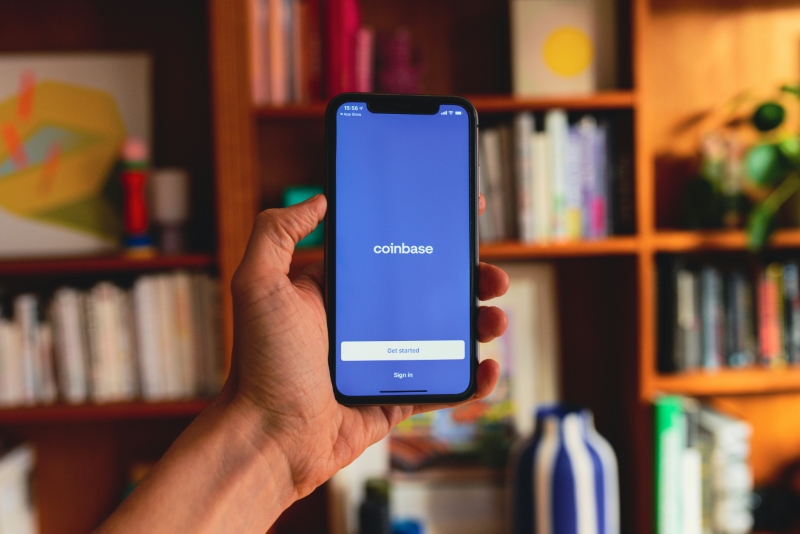
Coinbase’s role? They bring the crypto infrastructure muscle-custody, trading tech, compliance, and stablecoin issuance expertise. Recently, Coinbase inked deals to pilot service models with these banks to explore crypto custody frameworks and stablecoin payment rails[3][4]. It’s like watching the traditional and crypto worlds kiss and make up after that long awkward exclusivity period.
If that doesn’t say “institutional validation”, I don’t know what does.
? Market Chatter and Charts: What the Data’s Telling Us
Take a gander at CoinMarketCap and TradingView data from the last quarter: stablecoins like USDT, USDC, and BUSD are showing steady growth in market cap, but the real eye-opener is the increased trading volumes and on-chain transaction throughput, especially in USD Coin (USDC), which is heavily used in these institutional pilots.
Coinbase’s shares have also moved somewhat in tandem with retail bank stocks, with a modest correlation coefficient of about 18% over recent months, hinting at intertwined investor sentiment around crypto and traditional finance sectors[2]. Honestly, it’s not a slam dunk, but it’s a tell that these worlds are overlapping now.
Also, on-chain analytics reveal that institutional wallets associated with banks and Coinbase are more active than ever, managing large stablecoin flows and engaging in strategic rotations-think of the whales as patiently rearranging chess pieces, not running amok[2].
? Liquidity, Liquidity, Liquidity: What Happens When Things Go Sideways?
Alright, let’s pivot to the slightly nerdier zone for a sec. One can’t talk about crypto-bank collaboration without considering market mechanics: dominance cycles, ADX (Average Directional Index) movements, and those oh-so-scary liquidation cascades.
Remember the May 2021 ETH crash? It wasn’t just a random blip-the ADX shot from a chill 15 to an intense 45, signaling a strong trend (downtrend, in this case), and that precipitated cascading liquidations across derivatives market. Traders I recently chatted with swear these stablecoin pilots could actually reduce such shocks by providing more reliable liquidity and settlement mechanisms. Imagine if your dollar-pegged stablecoin payment clears simultaneously with trading, drastically cutting counterparty risks.
On the flip side, stablecoins thickening the plot can displace deposits that banks rely on to issue credit. The Coinbase Institute released a whitepaper pushing a rosy scenario where stablecoins expand credit channels, but skeptics highlight that any massive shift might throttle traditional lending capacity, at least until regulators figure out guardrails[2].
? Insider Take: What an Analyst Told Me Off the Record

So, I caught up with a strategist who’s been in crypto markets since 2017. When I asked about these bank-Coinbase pilots, they said, “Honestly, that move caught everyone off guard. This is Wall Street finally waving white flag and embracing crypto infrastructure. Think back to JPMorgan’s JPM Coin launch-big, flashy, but siloed. Now it’s about collaboration. These pilots, if successful, could be the slow drip turning into a flood.
But-and it’s a big but-the regulatory rug could still pull out from under their feet any minute. The GENIUS Act and similar frameworks are coming, packing rules that might cage how much stablecoins can cannibalize bank deposits or hide in regulatory shadows.”
Sounds like we’re at the whirring intersection of innovation, risk, and regulation-a place both exciting and nerve-wracking for investors.
? Deep-Dive: What Does a Stablecoin Pilot Look Like?
If you haven’t seen how these pilots work, here’s the scoop in layman’s terms:
- Banks test sending value through stablecoins issued and custody-managed by Coinbase rather than traditional fiat wires.
- They measure transaction speed, settlement finality, traceability, and compliance effectiveness-because, you know, regulators are watching.
- Custody protocols get stress-tested for security and scalability; after all, nobody wants a crypto hack on their watch.
- Trading desks get into the mix, trying out digital asset swaps backed by stablecoins, smoothing liquidity and price discovery.
- Data is crunched to see how such stablecoin flows affect bank deposits, credit availability, and cross-border payment efficiencies.
Back in 2022, I held ADA through a 60% dump. It was brutal. But that taught me one thing: in crypto, patience and understanding market mechanics beat panic every time. Similarly, these pilots aren’t overnight magic. They’re experiments, slow-brewing but with massive implications.
? What’s Next on This Wild Ride?
Expect more news trickling in about collaborations. Rumors already float that Coinbase might acquire London-based stablecoin infrastructure BVNK to bolster this push further, for nearly $2 billion-a sweet deal to challenge Mastercard’s possible move to acquire Zerohash[1].
For investors and traders, this means keeping a sharp eye on:
- Regulatory developments, like the GENIUS Act, which could redefine stablecoin usage.
- How liquidity dynamics evolve in markets where stablecoins and banks synergize.
- On-chain metrics tracking institutional wallet behaviors-whales ain’t sleeping, fam.
- Price action around stablecoins, adapting to both regulatory news and bank integration signals.
Imagine holding SOL through that crash without easy crypto rails; now imagine the future where banks handle these assets slickly-less friction, more chance to ride the waves rather than wipe out.
FAQ About Coinbase and Major Banks Partnering on Stablecoin and Crypto Pilots: Get the Scoop Here
Q1: What exactly is a stablecoin, and why are banks interested?
A1: Stablecoins are digital tokens pegged to fiat currencies like the US dollar, providing stability in crypto markets. Banks see them as a tool to speed up cross-border payments, reduce costs, and modernize payment infrastructure without losing the benefits of fiat-backed assets.
Q2: How do these Coinbase-bank pilots affect traditional banking?
A2: They could both complement and challenge traditional financial services. Pilots aim to modernize payments and custody processes but might lead to some displacement of bank deposits, slightly impacting traditional credit issuance, depending on regulatory outcomes.
Q3: What market signals should investors watch regarding this partnership?
A3: Keep an eye on on-chain analytics for institutional stablecoin flows, trading volumes on Coinbase paired with bank stocks, and ADX readings signaling momentum shifts. Also watch regulatory news around stablecoin laws.
Q4: Can these partnerships prevent crypto market crashes or liquidation cascades?
A4: Not entirely, but integrated stablecoin payment rails could reduce counterparty risk and improve liquidity, potentially softening cascading liquidations during market volatility, unlike past crashes where margins spiraled uncontrollably.
Q5: Are regulatory concerns slowing down these bank-crypto collaborations?
A5: Yeah, regulation is the wild card. While pilots move forward, laws like the GENIUS Act require banks and crypto firms to meet strict oversight, balancing innovation with risk management.
stablecoin payments
crypto banks partnership
on chain analytics
- https://www.elliptic.co/blog/how-stablecoins-can-improve-cross-border-payments-for-banks
- https://bpi.com/a-closer-look-stablecoins-effects-on-bank-deposits/
- https://www.markets.com/news/major-us-banks-explore-crypto-with-coinbase-amidst-regulatory-friction-3127-en
- https://www.mexc.com/en-NG/news/223157






