Unpacking the Impact of Political Moves on the Crypto Market ?
Navigating the crypto market can feel a bit like trying to surf on a wild ocean-sometimes you’re riding a wave, and other times you’re wiping out hard. Today’s discussion centers around how political actions, particularly those from the U.S. government, can send ripples through our beloved crypto space. So, grab a coffee, kick back, and let’s dive into it!
Key Takeaways
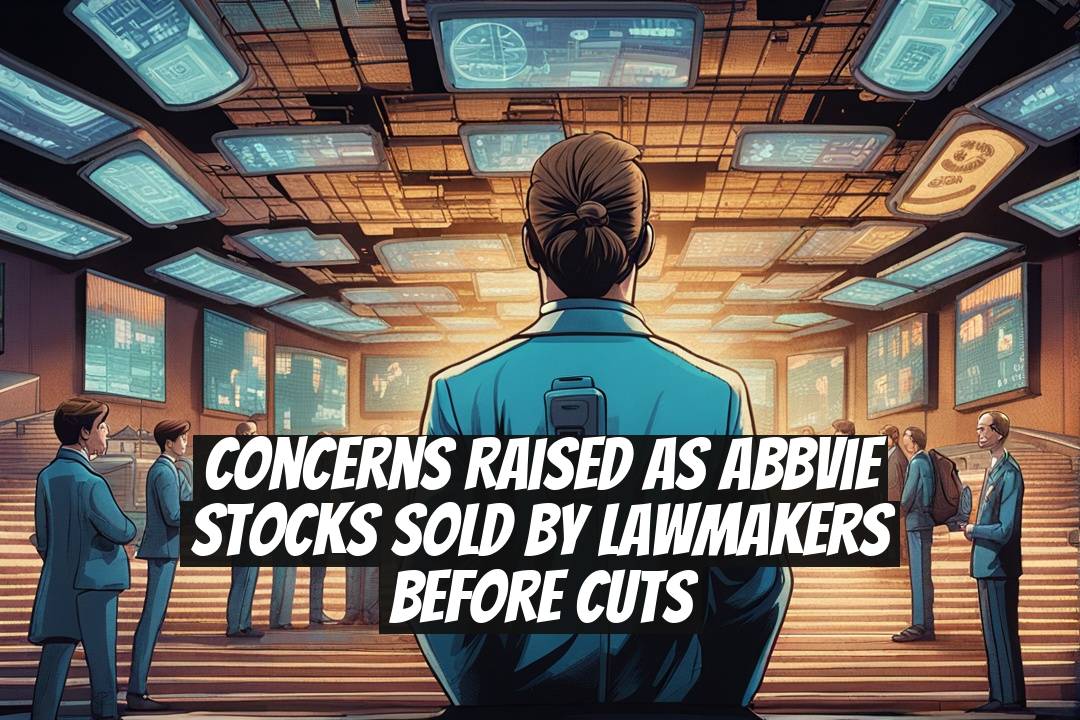
- Suspicious Trades: Two U.S. lawmakers sold AbbVie shares just days before Trump’s major drug pricing announcement, raising eyebrows about insider knowledge.
- Executive Order Impact: Trump’s plans to reduce drug costs by up to 80% could impact pharmaceutical companies like AbbVie significantly.
- Market Reactions: ABBV stock fell by 4% after the announcement, indicating the quick shifts in investor sentiment that can also affect crypto valuations.
- Linked Markets: A volatile stock market can influence investor moves in crypto, as many patrons diversify into digital assets.
Subscribe to our Social Media for Exclusive Crypto News and Insights 24/7!
The Drama of Timing ⏰
Alright, let’s start with the juicy part: the suspicious trades by Representatives Robert Bresnahan and Jefferson Shreve. Selling AbbVie shares right before a big announcement on drug prices? Talk about timing! This maneuver raised some serious questions. Was there insider knowledge at play, or just a well-timed exit from a struggling stock? This is crucial, especially since the comfort level of investors can sway dramatically when politicians are potentially playing puppet master with their financial decisions.
The relevance to crypto is pretty straightforward. In an environment where trust and transparency are paramount, events like these can symbolize deeper issues within the market. If lawmakers can manipulate stocks with potential consequences for everyday people, how far can that culture of opacity extend into the crypto space? It leads to a real questioning of:
- Market Integrity: Do we trust that the same will not happen with crypto assets? How are regulations being put in place to prevent such scenarios?
- Deliberate Movements: If stocks fall due to plummeting confidence, does that lead to a flight to crypto, or do people bunker down and start hoarding cash?
The Ripple Effect on Crypto ?️?

When Trump announced his executive order aimed at drastically lowering drug prices, I mean, you could almost hear the collective gasp from traditional finance sectors-and yes, that reverberated into crypto.
Stock Market Reaction: A 4% drop in AbbVie stock is one of those smoke signals we should pay attention to. It hints at investor anxiety, a sentiment that often trickles down to crypto markets. If investors feel insecure about the stock market, they might pivot towards cryptos that promise decentralization and less governmental control.
- Potential Shifts: Also, look at how cryptocurrencies, like Bitcoin and Ethereum, often have an inverse relationship with traditional assets. When stocks decline, often, people flock to see if crypto markets can provide those sought-after returns.
Practical Tips for Aspiring Investors ?
Stay Informed: Keep an eye on political events and government actions, especially those related to healthcare or finance. They often have ripple effects.
Assess Market Sentiment: Look at not just crypto prices, but also stocks and government policies. Being informed about multiple asset classes is crucial.
Diversify Wisely: Don’t just put all your eggs in one basket. Having a spread across various asset types can cushion the blows of sudden market moves.
- Use Technology: There are tools and platforms that allow you to track Congress members’ trades. Get alerts on their movements; sometimes the power dynamics can give you insights!
Personal Insights & Reflections ?
As a Bostonian crypto enthusiast, I always find it fascinating how interconnected our financial ecosystems are. The machinations of lawmakers can seem distant from the crypto world, but these ties are real! I trust in the inherent value and evolution of crypto as the future of finance, but it’s impossible to ignore that external forces like government decisions can create significant waves.
Also, here’s to hoping one day we can have a system that encourages transparency not just in the crypto area but also across the entire financial landscape. Wouldn’t it be awesome if we had a straightforward view into these transactions?
So here’s a thought-provoking question for you: How much trust do you place in the traditional financial system compared to crypto? Are we headed for a day when decentralization becomes the norm, or will we always look to governments for reassurance?