
Legal Developments Aim to Transform Cryptocurrency Regulation ️
This year is witnessing significant scrutiny on cryptocurrency regulations, driven by legal battles that could reshape the governance of digital assets. The U.S. Court of Appeals has raised pertinent questions regarding the practices of the Securities and Exchange Commission (SEC), particularly how it oversees the emerging crypto sector. The implications of recent legal rulings and the strategies employed by regulatory bodies, specifically the SEC, are surfacing as highly relevant topics of discussion among industry analysts and stakeholders.
Examination of the SEC’s Approach to Cryptocurrencies ?
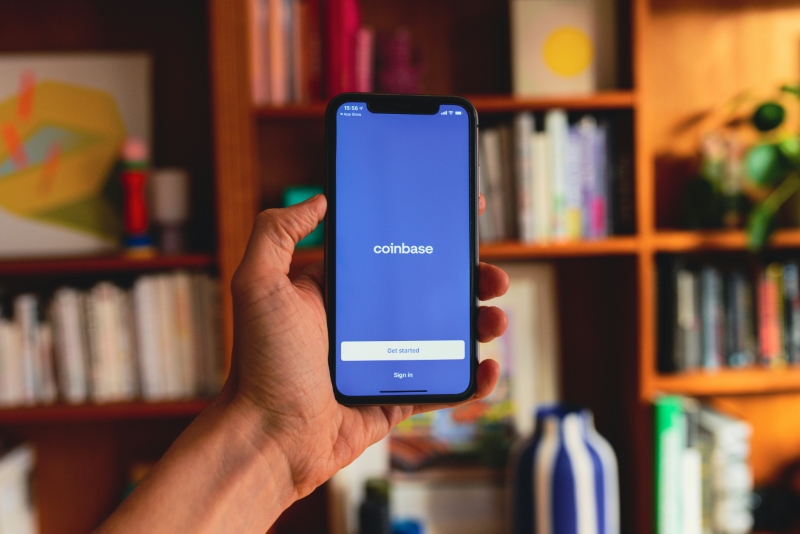
In an intricate case, the legal officers at Gemini, including Chief Legal Officer Tyler Meade, have highlighted the conflict stemming from Coinbase Inc. v. SEC. This case has drawn the court’s attention to the SEC’s handling of cryptocurrency regulations. Judge Stephanos Bibas of the Third Circuit has sharply criticized the agency’s dismissive reaction to Coinbase’s request for more defined rules surrounding digital assets. His remarks underscore the judges’ concern about the arbitrariness of the SEC’s decisions.
Subscribe to our Social Media for Exclusive Crypto News and Insights 24/7!
Judge Bibas articulated that the SEC’s rejection of Coinbase’s petition was not only lacking in substantial reasoning but also lacked transparency in its enforcement strategies. The judgment noted that the agency’s failure to elucidate its rationale leaves companies navigating a murky regulatory landscape. The brief explanation provided by the SEC indicated it favored other agenda items over addressing the concerns raised by Coinbase.
Furthermore, the ruling brought to light a crucial constitutional issue: the SEC has frequently initiated legal actions against crypto firms without providing clear compliance guidelines. Judge Bibas asserted that such actions contravene due process, as it fails to deliver fair notice of legal expectations to those within the industry. He remarked that the absence of direction from the SEC builds a precarious environment for compliance, turning regulation into a de facto prohibition against the innovation of cryptocurrencies.
Proposed Legal Hold in Binance Case ?

In parallel developments, the SEC and Binance have requested a 60-day legal hiatus in their ongoing litigation. This initiative, filed on February 10, signals a potential shift in the regulatory landscape under the new leadership of the SEC. It has been suggested that the formation of a specialized Crypto Task Force may be influencing this temporary pause, prompting considerations for a possible resolution in the case.
During this interval, no further legal motions will be filed, allowing the task force to deliberate on strategies without the encumbrance of active litigation. This could herald a turning point in how the SEC handles cryptocurrency regulations going forward.
The court’s critiques regarding the SEC’s enforcement tactics, bolstered by the collaborative 60-day legal halt, may encourage a movement towards more transparent and structured regulatory protocols. As these evaluations unfold, it becomes increasingly pertinent for market participants to consider how adjustments in risk management and operational strategies might influence the broader cryptocurrency ecosystem.
Hot Take: The Future of Cryptocurrency Regulation ?
This year is shaping up to be a transformative period for the cryptocurrency industry. The ongoing judicial reviews and the potential for refined regulatory frameworks could lead to a more predictable environment for crypto companies and investors alike. Heightened transparency and clearer guidelines could not only foster compliance but also spur innovation within the sector. As developments continue to emerge, it’s crucial for everyone involved in the digital asset space to stay informed and prepared for the evolving landscape.
As scenarios evolve, stakeholders are charged with reflecting on their practices and how these regulatory shifts will redefine engagement in the cryptocurrency market for the foreseeable future.