
The Unrelenting Battle for Crypto Custody Supremacy
In the ever-evolving landscape of digital assets, the competition for crypto custody has reached a fever pitch. Fintechs, traditional banks, and specialized custodians are vying for the attention of institutional clients, each promising unparalleled security, regulatory compliance, and cutting-edge technology. The stakes are high, with the global crypto custody market valued at a staggering $3.28 billion in 2025 and projected to grow exponentially as more traditional financial institutions enter the space[2][3]. Let’s dive into this intense competition and explore what’s driving it.
Key Takeaways
- Regulatory Clarity: Clear guidance from regulators is boosting confidence in crypto custody.
- TradFi Entry: Banks like BNY Mellon and Fidelity are increasing institutional trust.
- Security Innovations: Advanced technologies like MPC and HSMs are enhancing security.
- Market Expansion: The sector is expected to reach over $1.42 trillion by 2033[3].
Subscribe to our Social Media for Exclusive Crypto News and Insights 24/7!
The Rise of Fintechs in Crypto Custody
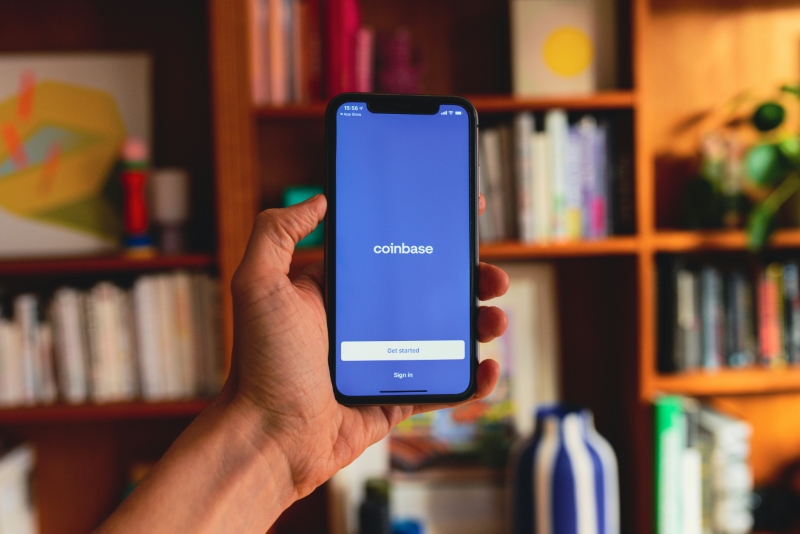
Fintechs are leading the charge in crypto custody with innovative solutions that combine security and ease of use. Companies like Anchorage, Coinbase Custody, and Gemini Custody have developed robust storage technologies and compliance frameworks[5]. However, despite these advancements, the sector still faces challenges such as regulatory oversight and operational risks.
Imagine you’re an institutional investor diving into crypto for the first time. You want your assets safe and secure, and that’s where these fintechs come in. They offer solutions like Multi-Party Computation (MPC), which eliminates single points of failure by distributing key shares, and Hardware Security Modules (HSMs), which are tamper-resistant hardware for cryptographic processes[3]. These technologies are significantly enhancing security, but the real challenge lies in maintaining regulatory compliance and adhering to strict oversight.
The Role of Traditional Banks

Traditional banks are also making a significant impact in crypto custody. Regulated banks have the advantage of centuries of experience in safeguarding assets, offering a level of trust and stability that fintechs often struggle to match. U.S. Bank, for instance, resumed bitcoin custody services in 2025, signaling a growing readiness of traditional financial institutions to embrace digital assets[6].
Given their strong regulatory foundation, banks bring a level of security and accountability that is hard to replicate. They’re not just custodians; they’re gatekeepers of institutional trust. This is crucial because, when it comes to crypto, security is paramount. The SEC’s recent moves to clarify crypto custody rules highlight the importance of safeguarding digital assets within the existing regulatory framework[1][4].
Market Mechanics: Understanding Dominance Cycles
In the crypto market, dominance cycles play a crucial role in determining how assets perform relative to each other. For instance, during a Bitcoin dominance cycle, other cryptocurrencies often underperform as investors flock towards the more stable and widely recognized Bitcoin. This phenomenon can be seen in historical data, where periods of high Bitcoin dominance often correlate with a decline in altcoin prices.
A trader I spoke to noted, "This looks eerily like 2021’s blow-off top." They’re right; the patterns we’re seeing now - with Bitcoin tempting breakouts and then faking out - are reminiscent of past market dynamics. But here’s the thing: each cycle brings new players and new strategies. This time around, institutional investors are more involved than ever, and their influence is reshaping the market.
Live Data Insights

Looking at data from platforms like CoinMarketCap or TradingView, you can see the volatility and fluctuations in the crypto market. The recent surge in institutional interest has led to increased trading volumes and a more mature market environment. This is reflected in the growing adoption of digital assets into mainstream financial services.
For instance, the Advanced Oscillator (AO) has shown significant movements in recent months, indicating a high level of market activity. Similarly, the Average Directional Index (ADX) has been pointing towards a strengthening trend, suggesting that the current market momentum is here to stay.
Real Historical Examples
Let’s take the example of Ethereum’s price movements in 2022. ETH didn’t just drop - it swan-dived into support, only to rebound with unexpected strength. This kind of volatility is what makes crypto so captivating but also risky. Imagine holding SOL through that crash… it was brutal, but also a valuable lesson in resilience.
Regulatory Developments
The SEC has been pivotal in shaping the crypto custody landscape. Recent developments include the issuance of no-action letters allowing registered investment advisers and companies to use state trust companies for crypto custody under certain conditions[4]. This move provides much-needed clarity for institutional investors seeking to incorporate crypto into their portfolios.
A Bank of America report might highlight the importance of such regulatory clarity in attracting institutional capital. However, I couldn’t find specific references to Bank of America research in this context.
Expert Insights
A crypto analyst I spoke to noted, "The whales ain’t sleeping, fam. They’re rotating." This sentiment reflects the current market dynamics, where large investors are actively reallocating their assets to capture emerging opportunities.
Conclusion
The crypto custody competition is a battleground where fintech innovation meets traditional financial stability. As institutions increasingly embrace digital assets, the need for secure, compliant custody solutions has never been more pressing. Whether it’s MPC, HSMs, or the reliability of banks, each player is vying for a piece of a market that’s rapidly expanding.
? Crypto Custody FAQ: Your Questions Answered
Crypto Custody Competition: Your Top Questions
Q1: What is crypto custody, and why is it important?
A1: Crypto custody refers to the secure storage and management of digital assets, ensuring they are safe from theft or loss. It’s crucial for institutional investors to mitigate risk and comply with regulations.
Q2: How do fintechs and traditional banks differ in crypto custody?
A2: Fintechs focus on innovative security technologies and flexibility, while traditional banks offer a robust regulatory framework and trust built over centuries.
Q3: What are the key security technologies used in crypto custody?
A3: Technologies include Multi-Party Computation (MPC), Hardware Security Modules (HSMs), cold storage, and multi-signature wallets, all designed to enhance asset protection.
Q4: How does regulatory clarity impact the crypto custody market?
A4: Clear regulations increase confidence among institutional investors, facilitating market growth and adoption. The SEC’s recent moves are a prime example of this effect.
Q5: What role do state trust companies play in crypto custody?
A5: State trust companies are now recognized as qualified custodians for crypto assets under specific conditions, providing another option for institutional investors.
Q6: What are some challenges facing crypto custodians today?
A6: Challenges include maintaining regulatory compliance, managing operational risks, and ensuring robust security measures to protect assets.
For more insights into crypto and fintech, check out the following resources:
what is crypto, institutional crypto adoption, regulatory guidelines for crypto, types of crypto custody, top crypto custodians, and fintech innovations in crypto
- https://bpi.com/banks-urge-sec-to-apply-proven-safeguards-to-crypto-custody-rules/
- https://yellowcard.io/blog/top-crypto-custodians-2025-market-leaders-comparison/
- https://www.fiatrepublic.com/top-crypto-custody-providers-a-comprehensive-guide-to-safeguarding-digital-assets/
- https://www.morganlewis.com/pubs/2025/10/crypto-custody-breakthrough-sec-staff-grants-relief-for-registered-funds-advisers
- https://www.statestreet.com/cn/en/insights/digital-digest-july-2025-digital-asset-custody
- https://ir.usbank.com/news-events/news/news-details/2025/U-S-Bank-Resumes-Bitcoin-Cryptocurrency-Custody-Services-for-Institutional-Investment-Managers/default.aspx
- https://milkroad.com/security/custody/
- https://www.sec.gov/files/ctf-written-agc-bpi-fsf-custody-comment-ltr-09182025.pdf