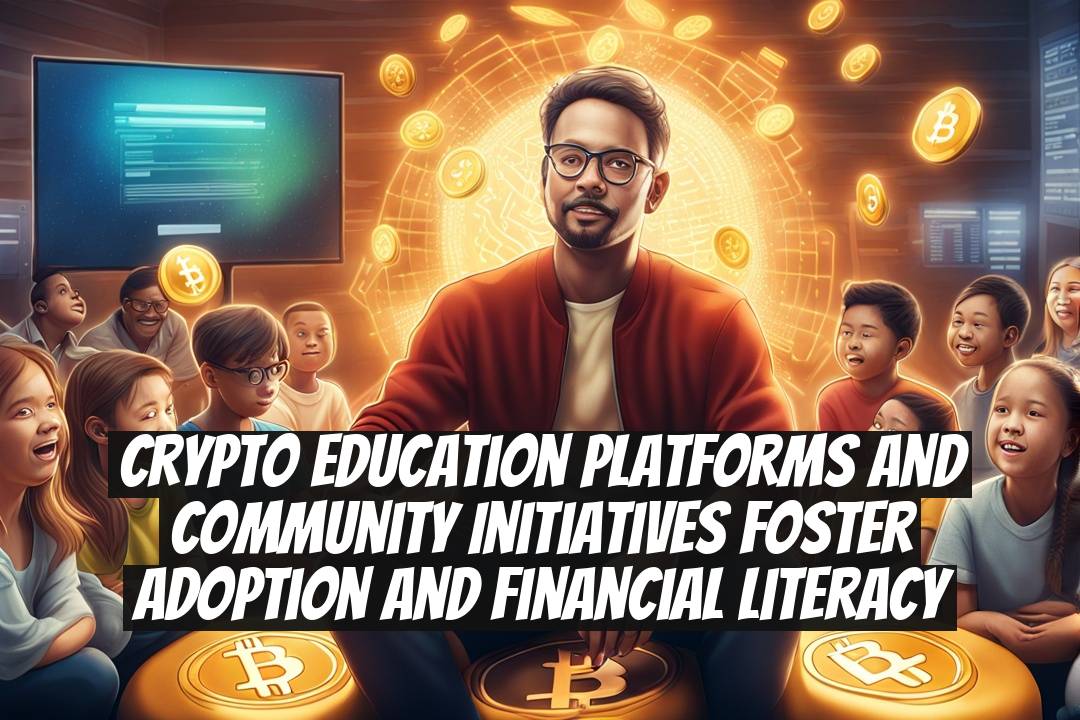
Is Crypto the Future-Or Just Another Bubble Popping? Navigating the Real Impact of Education & Community on Adoption ?
Let’s be honest, whenever someone mentions Bitcoin, Ethereum, or even lesser-known meme tokens, eyes either light up with excitement or glaze over with confusion. That’s because cryptocurrency-a technology that could reshape money, contracts, and even identity-remains misunderstood by so many. But here’s what’s changing: A global movement in crypto education platforms and grassroot community initiatives is dramatically lifting the veil, making blockchain tech, investing, and financial literacy accessible to everybody, no matter where you are or what you know. As these educational platforms and community-led projects multiply, they are fostering adoption, demystifying crypto, and training a new generation of investors and builders. The big question is: How exactly are these efforts accelerating mainstream adoption, who benefits, and what does this mean for the future of the crypto market?
Key Takeaways: Why Crypto Education & Community Matter
- Crypto education platforms are growing rapidly, from free literacy hubs to university-backed courses and dev bootcamps, fueling 47% growth in course enrollments just this year[3].
- Community initiatives-local meetups, online forums, ambassadors, and even crypto incentive programs-are proven to increase trust, demystify jargon, and emotionally engage new users.
- Blockchain in education is not just for trading; it’s being used to issue verifiable credentials, reward learning, and personalize educational journeys, creating long-term value beyond the speculative[2].
- Financial literacy is climbing globally, but disparities remain-crypto platforms are helping fill gaps for those underserved by traditional finance, especially in emerging economies[3].
- Investor profile is shifting-over half of global crypto users now have at least a bachelor’s degree, but the industry is also reaching younger, tech-savvy cohorts and those outside formal education systems[3].
- Personal insights: The best platforms and communities don’t just teach-they model good behavior, foster practical skills, and build networks of trust that reduce risk and anxiety.
Subscribe to our Social Media for Exclusive Crypto News and Insights 24/7!
Crypto Education Platforms: The New Digital Learning Curve ?
When Princeton, Berkeley, and Coinbase all jump into teaching crypto in accessible, bite-sized ways, you know something is up. The leading crypto education platforms-think Coursera’s “Bitcoin and Cryptocurrency Technologies” or edX’s Berkeley Blockchain Fundamentals-are where you’ll find people from all walks of life: engineers, product managers, finance staff, and even total newbies[1]. These platforms dive deep, from the conceptual underpinnings of Bitcoin to hands-on smart contract coding with Solidity. You get assessments, clear modules, and-importantly-no hype: just vendor-neutral, trustworthy fundamentals.
A few things set these platforms apart. First, they’re increasingly modular-learn as much or as little as you want, at your pace. Second, they’re global. Pricing varies, but many offer financial aid or free courseware, making them accessible even to people in regions where traditional finance has left gaps. Third, they’re practical. Many go beyond theory to offer real-world scenarios, security best practices, and even guidance on regulation and ethics. That’s crucial because crypto isn’t just a new asset class-it’s a whole new way to think about money, accountability, and trust.
But don’t confuse “academic” with “stale.” These platforms are evolving fast. The blockchain in EdTech sector alone is projected to hit $30.3 billion by 2034, largely because of these education platforms’ ability to adapt and innovate-rewarding learners with crypto incentives, issuing tamper-proof credentials, and even tailoring content to personal learning styles[2]. It’s not just about trading or investing; it’s about building a tech-literate, financially savvy populace that can participate in-and shape-the new economy.
Community Initiatives: Where Trust & Adoption Really Grow ?

If crypto education platforms are the classroom, community initiatives are the playground. From Telegram and Discord groups to local meetups and global programs led by crypto “ambassadors,” these grassroots efforts are vital to breaking down fear, clearing confusion, and building real, human trust. After all, crypto is more than just technology-it’s a social movement, powered by people who want transparency, autonomy, and fairness.
Take, for example, the global 26% rise in crypto literacy program enrollments, especially in Latin America and Southeast Asia[3]. These aren’t faceless MOOCs; they’re often led by passionate locals, offered in local languages, and built around real needs-helping shopkeepers hedge against inflation, or students split bills in college dorms. In Africa, almost one in five crypto users has vocational or non-traditional education-crypto communities are filling in where formal institutions fall short, using accessible, mobile-first platforms and peer-to-peer knowledge sharing[3].
Crypto communities also drive emotional investment. When people feel part of a group-when they can ask silly questions without judgment, or celebrate wins together-they’re more likely to stick around during dips and crashes. This is huge for adoption, because unlike stocks or bonds, crypto is still volatile and risky. Emotional resilience, fostered by community, keeps people in the game long enough to become true stakeholders in the ecosystem.
The Numbers Don’t Lie: Who’s Really Using Crypto-And Why? ?

Let’s look under the hood. In 2025, the average age of a first-time crypto user is over 30, but Gen Z users are flocking in-41% are enrolled in higher education and using crypto for micro-investments and learning[3]. In the US, 62% of crypto investors have college degrees, but community college students now represent 12% of new adopters, and that number is climbing[3]. Globally, more than half of crypto users have at least a bachelor’s degree, and 17% are postgraduates-but don’t overlook that 21% have only a high school diploma, and 10% have no formal education beyond secondary school[3].
What’s notable is that crypto adoption isn’t just for the elite or the tech-savvy. It’s for anyone who wants in, especially those underserved by traditional banks. That’s a big deal. It means crypto education and community initiatives are creating a more inclusive financial system, one where access isn’t gatekept by wealth, status, or geography.
On the institutional side, the blockchain in education segment now holds more than 65% of the global EdTech blockchain market[2]. This dominance is due to the sheer range of use cases-from crypto rewards for students to immutable academic transcripts, personalized learning paths, and even automated administration. The result? A more efficient, transparent, and secure education system that not only teaches crypto, but uses blockchain to prove what’s been learned, incentivize participation, and streamline certification.
Practical Tips: How to Get the Most Out of Crypto Education & Community ?

- Start with fundamentals: Don’t rush into trading. Take a reputable intro course-Coursera, edX, or Coinbase Learn are solid bets[1].
- Join a community: Find local meetups, online forums, or ambassador programs. Ask questions, share mistakes, and learn from real people.
- Practice safe habits: Use demo accounts, small wallets, and never invest what you can’t afford to lose. Education isn’t just about making money-it’s about not losing it.
- Diversify your learning: Mix structured courses with real-world practice-try staking a tiny amount, experiment with DeFi, or build a simple smart contract.
- Give back: Mentor, write, or host-help others climb the learning curve. Crypto’s strength is in its network effects; the more informed the community, the healthier the ecosystem.
- Think long-term: The crypto market is maturing, but it’s still volatile. Use education and community to build resilience, not just chase trends.
The Big Picture: What This Means for the Crypto Market ?
So, what does all this mean for the future of crypto? For starters, the market is maturing-not just in price or product, but in people. As education and community initiatives expand, we’re seeing a more stable, informed, and emotionally invested user base. That’s a recipe for sustainable growth, not just speculative bubbles.
Second, the lines between finance, education, and technology are blurring. Crypto isn’t just an alternative investment; it’s a gateway to financial literacy, a tool for credentialing, and a platform for community-building. The EdTech blockchain market segment is expected to grow at 30.4% CAGR, reaching over $30 billion by 2034-not just by teaching crypto, but by using blockchain to make education itself more transparent, efficient, and rewarding[2].
Third, inclusivity is key. Crypto’s strength lies in its ability to reach people traditional finance ignores. From African entrepreneurs to Latin American students, from US community college attendees to Asian developers, the ecosystem is diversifying-and that diversity is driving innovation, adoption, and resilience.
Finally, the rise of educated, community-supported users is changing the risk profile of the market. More informed investors are less likely to panic-sell, less likely to fall for scams, and more likely to advocate for sensible regulation and ethical product design. That’s a win for everyone-projects, investors, regulators, and the public at large.
Final Thoughts & A Question to Ponder ?
We’re living through a revolution-not just in money, but in how we learn, trust, and build together. Crypto education platforms and community initiatives aren’t just teaching people how to buy Bitcoin; they’re empowering a generation to question, collaborate, and create new systems that could one day replace the old.
But here’s the question every potential investor-and every curious human-should ask themselves: Are you going to watch this transformation from the sidelines, or will you join the community, learn the basics, and help shape what comes next?
Ready to dive in? Explore the power of crypto education platforms, get involved with community initiatives in crypto, and boost your financial literacy blockchain journey today.
- https://www.tokenmetrics.com/blog/top-education-platforms-courses-for-crypto-2025
- https://market.us/report/blockchain-in-edtech-market/
- https://coinlaw.io/crypto-user-demographics-statistics/
- https://growthmarketreports.com/report/cryptocurrency-education-market
- https://learn.g2.com/cryptocurrency-statistics