How Will Crypto Exchanges Survive and Thrive Amid Rising Global Regulatory Pressures?
Navigating the maze of global regulations is becoming the new normal for crypto exchanges. As crypto exchanges enhance compliance amid global regulatory pressures, they signal a strategic shift that could redefine the entire crypto ecosystem. Think of it like this: the wild west of crypto trading is calming into a more structured financial frontier. But what does that really mean for investors, traders, and the future of digital assets?
Key Takeaways:
- Crypto exchanges are ramping up AML (Anti-Money Laundering) and KYC (Know Your Customer) compliance to meet increasing global regulatory demands.
- The U.S. regulatory landscape remains complex, with agencies like the SEC, CFTC, and FinCEN sharpening their focus on crypto compliance.
- In Europe, regulations such as MiCAR establish clear rules for crypto asset services, forcing exchanges to obtain licenses akin to traditional financial institutions.
- Despite political shifts, regulatory scrutiny is intensifying, and exchanges face stiff penalties if compliance falters.
- Enhanced compliance could boost investor confidence but also increase operational costs and complexity for exchanges.
Subscribe to our Social Media for Exclusive Crypto News and Insights 24/7!
? What Does “Enhanced Compliance” Really Mean for Crypto Exchanges?
Crypto exchanges have found themselves under a regulatory microscope worldwide. In the U.S., compliance now demands unwavering attention to AML and KYC protocols-no more backdoors or shortcuts. Since 2025, Virtual Asset Service Providers (VASPs), a category encompassing exchanges, wallets, and custodians, are legally required to collect and transmit detailed transaction data for transfers over $3,000, under the Crypto Travel Rule enforced by FinCEN[1]. This includes full names, addresses, transaction amounts, and dates-not unlike traditional banks.
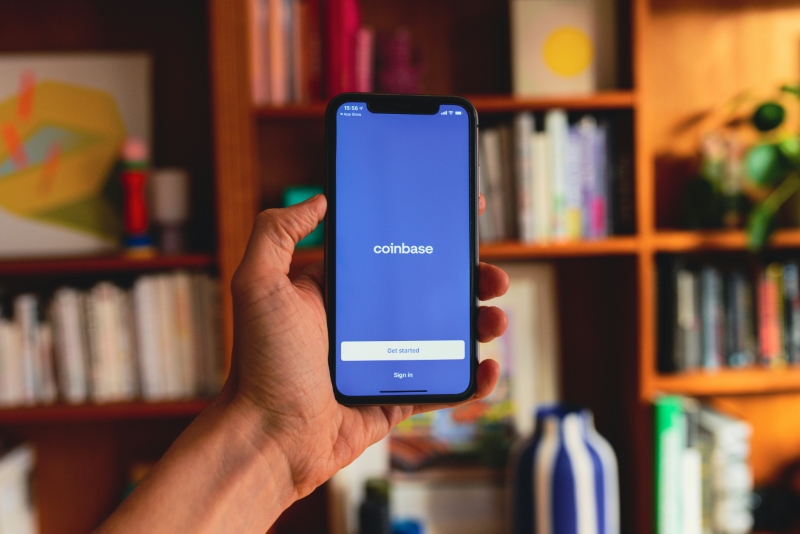
Simultaneously, the SEC and CFTC double down on compliance oversight for platforms trading securities tokens or derivatives[2][4]. Whether it’s Coinbase facing litigation or memecoins shifting regulatory status, exchanges cannot escape an increasingly complicated approval and monitoring process.
Across the Atlantic, the European Union’s Markets in Crypto Assets Regulation (MiCAR), fully effective since December 2024, forces crypto service providers to obtain e-money or banking licenses to operate legally within the bloc[3]. This regulatory framework enforces transparency, customer due diligence, and environmental responsibility-crypto mining is even being folded into sustainability taxonomies.
?️ How Compliance Enhancements Affect the Crypto Market

For the average investor or trader, these changes might seem daunting. However, there’s a silver lining. Increased regulatory compliance helps:
- Reduce fraud and illicit activities, thereby improving the legitimacy of crypto assets.
- Enhance investor protection through clear rules and legal frameworks.
- Foster institutional adoption as traditional financial players feel safer entering compliant markets.
Yet, the hurdles are significant. Exchanges must bolster technology infrastructure to maintain compliant data collection and reporting. The cost and complexity of compliance programs could push smaller players out, consolidating power in larger, more resourceful platforms.
Furthermore, compliance is not just about avoiding penalties-it’s becoming a competitive differentiator. Exchanges touting robust AML/KYC measures signal trustworthiness in an industry often associated with scams and hacks. For investors, that could mean more confidence and a willingness to park larger sums in compliant platforms.
? Practical Tips to Navigate Crypto Exchange Compliance

If you’re an investor or trader looking to keep pace with this evolving landscape, here are some handy tips:
- Choose regulated exchanges: Prioritize platforms that clearly demonstrate compliance with U.S. FinCEN, SEC, CFTC, or EU MiCAR licensing requirements.
- Understand KYC processes: Be prepared for intensified identity verification-know what personal information you’ll need to share and safeguard.
- Monitor regulatory updates: Regulatory frameworks change quickly; staying informed protects your assets and trading strategies.
- Diversify platform usage: Use a mix of global exchanges to mitigate risks stemming from regional regulatory crackdowns.
- Evaluate transaction sizes: Because of Travel Rule requirements, high-value transfers will require additional scrutiny-plan accordingly.
? Personal Take: Why Embracing Compliance Is the Crypto Market’s Next Growth Frontier

Look, at first glance, all this regulatory talk might sound like the “party pooper” of the crypto world, putting a damper on the “freedom” and “anarchy” some early enthusiasts loved. But here’s the thing - compliance is not kryptonite; it’s the sunscreen preventing you from getting burned.
Stricter AML and KYC measures might feel like hurdles, but they build a healthier marketplace, one that can attract not only rogue day traders but genuine investors and institutions who bring in liquidity and legitimacy. For crypto to move beyond its volatile infancy and mainstream into everyday finance, these steps are essential.
That said, we must remember that overregulation can stifle innovation. The challenge exchanges face is balancing robust compliance without becoming so burdensome that they kill the very innovation that makes crypto exciting.
? Wrapping Up: Are Crypto Exchanges Ready to Play by the Rules - and Still Win?
The path forward requires exchanges to be nimble, proactive, and transparent. Those who adapt quickly by enhancing their compliance frameworks will likely emerge stronger, gaining both market share and user trust. Meanwhile, the regulatory landscape looks set to keep getting more defined globally.
So, as someone interested in the future of digital assets, ask yourself: Will the growing push for compliance turn crypto exchanges into pillars of a new, regulated financial era - or will it push innovation and opportunity to the shadows?
Explore more about Crypto Exchanges Enhance Compliance Amid Global Regulatory Pressures, Crypto Market Regulatory Compliance, and Crypto AML KYC Requirements.
Sources:
[1] https://sumsub.com/blog/crypto-regulations-in-the-us-a-complete-guide/
[2] https://www.carltonfields.com/insights/publications/2025/crypto-business-compliance-us-licensing-and-regulations
[3] https://legal.pwc.de/content/services/global-crypto-regulation-report/pwc-global-crypto-regulation-report-2025.pdf
[4] https://legal.thomsonreuters.com/blog/cryptocurrency-laws/
[5] https://www.moneylaunderingnews.com/2025/03/recent-developments-raise-significant-questions-about-the-future-of-regulation-and-enforcement-of-cryptocurrency/