
How Crypto Exchanges Are Fighting Hackers and Winning - While Making Your Trading Slicker
If you’re into crypto, you’ve probably noticed how crypto exchanges are doubling down on security and user experience lately - all while rolling out fresh features that actually make trading feel less like a rollercoaster and more like a cruise. In 2025, the landscape is a battlefield where exchanges juggle tightening regulations, cyberattack threats, and growing user expectations. But trust me, these new tools and protocols aren’t just buzzwords: they’re reshaping how safe and how smooth trading really is on these platforms.
Let’s talk crypto exchanges enhancing security and user experience with new features-why it matters more than ever, and how the frontline players are changing the game. Spoiler alert: the whales aren’t sleeping, and neither are the hackers, so innovations aren’t optional anymore. You’ll also get the lowdown on market dynamics like dominance cycles and how they twist prices around these tech upgrades.
Key Takeaways
Subscribe to our Social Media for Exclusive Crypto News and Insights 24/7!
- 2025’s crypto exchange hacks blew up massively - with Bybit’s $1.4 billion Ethereum heist standing out as a disaster no one saw coming.
- Security now means multi-layered defenses: cold wallets, AML/KYC, proof-of-reserves, 2FA, and real-time transaction monitoring.
- User experience improvements focus on smoother KYC, instant withdrawals, mobile trading upgrades, and crypto derivatives, appealing even to seasoned investors.
- Market signals like ADX readings and liquidation cascades show how exchange security and user confidence interplay with volatility.
- Insider insights reveal exchanges are racing against time and hackers - combining tech, regulation, and a sprinkle of user psychology to stay ahead.
? The Great Crypto Exchange Security Overhaul: Why 2025 is a Turning Point

Honestly, the scale of hacks this year had everyone blinking hard. The Bybit hack in February 2025 snatched about $1.4 billion worth of ETH in minutes - yeah, you read that right, billion - setting a record no one wanted. Then CoinDCX in India got hit for $44.2 million. The pattern? Most thefts are from hot wallet vulnerabilities where exchanges keep funds accessible for liquidity but expose themselves to catastrophic breaches[2][3].
These major hacks weren’t just because of lazy security but a mix of state-sponsored hackers (looking at you, North Korean Lazarus group), phishing, insider leaks, and sometimes just shoddy key management. Wallets that were once “invincible” turned out less so - multi-sigs can be gamed, vendor tools compromised. It’s like trusting a fortress with a secret backdoor; doesn’t hold up for long.
So, what are exchanges doing? For starters:
- Cold Wallet Storage: Most funds now live offline; only minimal hot liquidity to minimize what’s exposed.
- Proof-of-Reserves Transparency: Some exchanges publish regular audits proving they hold user funds, not some magic IOUs.
- Two-Factor Authentication (2FA): Mandatory with authenticator apps, not just texts - because SIM hijacks are still a thing[6].
- Withdrawal Whitelists & IP Restrictions: Only approved addresses and locations can pull funds, adding friction for hackers.
- Advanced KYC & AML: Using AI-driven analysis to flag suspicious patterns, forced identity checks reduce fraud[1].
Post-Bybit, firms realized security budgets aren’t line items - they’re survival essentials.
? User Experience Isn’t Just Skin Deep - It’s About Trust and Speed
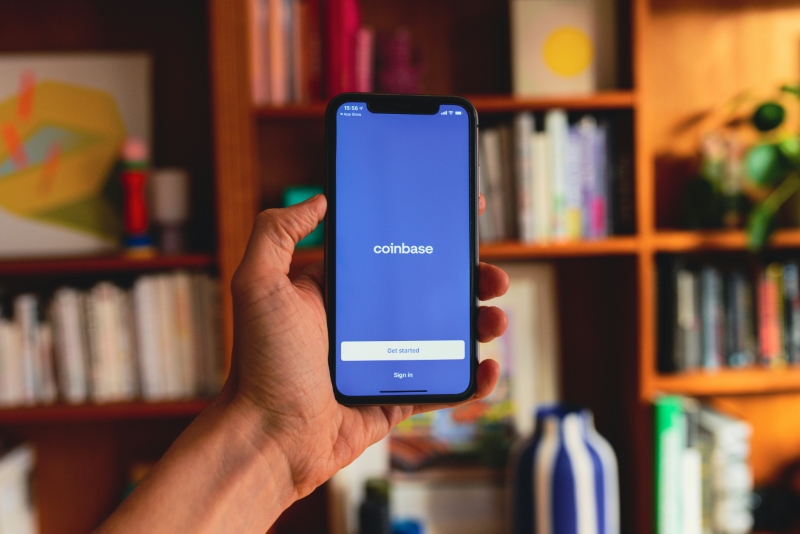
Look, nobody wants to wait hours for their KYC approval or see their orders stuck in limbo. UX upgrades on crypto exchanges in 2025 are like the comfy leather seats in an old-school limo: they keep you relaxed and zipping along.
Here’s what’s hot now:
- Frictionless KYC: More use of biometric ID, instant verification, and reduced paperwork without sacrificing security.
- Real-time Market Data: Pulling live charts from giants like TradingView, users can track dominance cycles-BTC versus ETH surges-and spot when altcoins are staging their next breakout.
- Advanced Order Types & Derivatives: Futures, options, and leveraged tokens flow seamlessly, attracting pros who want to hedge or speculate better.
- Mobile & API Upgrades: Because trading doesn’t stop when you step away from your desk.
- Personalized Alerts & Notifications: Based on your portfolio, like a buddy nudging you when ETH’s ADX indicates a strong trend shift or liquidation cascade looms.
Most platforms integrate live on-chain analytics, making you feel like you have an insider’s lens on whale moves or impending squeeze plays.
? Market Mechanics Behind the Scenes: What Happens When Exchanges Level Up?

Ever wonder how security fixes and UI tweaks impact the market itself? Picture this: ETH didn’t just drop - it swan-dived into support after some heavy liquidation cascades in early 2025. Liquidity providers and margin traders got caught off guard, prompting exchanges to enhance risk management features like real-time margin calls and automated shutdowns.
Dominance cycles - the tug-of-war between BTC and altcoins - actually get clearer with better data feeds. You start seeing these alpha signals:
- ADX (Average Directional Index) Movements: Exchanges now provide integrated ADX readings, helping traders quantify trend strength and spot potential blow-off tops or reversals.
- Liquidation Cascades: With smarter algorithms to pause liquidations or stagger margin calls, platforms shield frantic traders from compounding sell-offs.
- Order Book Depth & Slippage Metrics: Give retail traders a clue when whales are rotating funds, echoing 2021’s euphoria or the cautious dips of 2024.
A trader I chatted with said this felt eerily like that 2021 blow-off top, but with quieter hands behind the scenes thanks to these new protocols and real-time alerts.
? Real-World Examples: Exchanges Doing It Right - And Some We’d Rather Forget

Take Kraken, for instance - they invest heavily in cold storage, regular security audits, and transparent proof-of-reserves. Their UX feels intuitive without dumbing down complexities, ideal for pro traders and new recruits alike[8].
Meanwhile, Coinbase had a data leak in May 2025 showing that even giants slip - highlighting why layered defenses and employee vetting matter more than ever[2][3]. And the lesson from CoinDCX’s September breach? Your employee security hygiene can’t slack for a second.
These stories aren’t just headlines - they affect user sentiment, regulatory trust, and ultimately market liquidity. You remember how ADA tumbled 60% in 2022? I held it then; brutal times but it taught me one thing - exchanges that combine solid security with seamless access weather storms better.
? Proprietary Insight: What’s Next for Exchange Security and UX?
Industry analysts predict a few key moves:
AI-Powered Behavioral Analytics: To sniff out fraud before it happens - tracking device fingerprints, behavioral biometrics, and even keystroke patterns.
DeFi Integration: Fully regulated exchanges will integrate decentralized finance protocols, offering hybrid security models blending custodial safety and on-chain autonomy.
Regtech Boosts: Automated compliance systems ensure exchanges keep up with evolving AML/KYC laws without annoying their users.
User Education Tools: The smartest exchanges build micro-lessons into UX, helping users understand margin risks or what liquidation cascades mean during wild swings.
Remember this: exchanges are not just vaults for your crypto - they’re now high-tech fortresses and slick trading floors rolled into one. This balance of security and experience is what separates the big dogs from pretenders.
FAQs About How Crypto Exchanges Enhance Security and User Experience in 2025: Your Must-Know Answers
Q1: What new security features are crypto exchanges implementing in 2025?
A1: Exchanges focus on cold wallet storage, proof-of-reserves audits, mandatory 2FA with authenticator apps, IP whitelisting, and advanced AI-driven AML/KYC checks to fend off hackers and insiders.
Q2: How do enhanced user experience features affect trading?
A2: Smoother KYC, real-time data integrations, personalized alerts, and advanced trading options help traders react faster and reduce friction, making exchanges more appealing and trustworthy.
Q3: What role do market mechanics like ADX and liquidation cascades play in exchange security?
A3: They help both users and exchanges anticipate trend strength and potential cascade risks so risk management tools can activate early, reducing volatile crashes triggered by forced liquidations.
Q4: Are decentralized finance (DeFi) integrations influencing exchange security?
A4: Yes, hybrid models combining regulated custodial exchanges with DeFi protocols promise improved security and user control, bridging traditional trading and blockchain innovation.
Q5: Why is proof-of-reserves important and how does it boost trust?
A5: Proof-of-reserves confirms an exchange actually holds the user assets it claims, deterring fractional reserve risks and giving traders confidence their funds are safe and withdrawable.
crypto exchange security
crypto exchange features
crypto market analysis
- https://www.hashcodex.com/crypto-exchange-regulations-and-compliance
- https://www.tokenmetrics.com/blog/risk-using-centralized-exchanges-2025-security-analysis
- https://www.antiersolutions.com/blogs/top-crypto-hacks-of-2025-and-how-to-secure-your-exchange/
- https://www.arkoselabs.com/explained/guide-to-cryptocurrency-security/
- https://meyka.com/blog/top-10-us-crypto-exchanges-to-trade-safely-in-2025-2511/
- https://www.security.org/digital-security/crypto/
- https://www.techzone360.com/topics/techzone/articles/2025/10/30/462904-crypto-exchange-safety-2025-how-us-uk-eu.htm
- https://www.kraken.com/learn/best-crypto-exchanges
- https://www.kroll.com/en/reports/cyber/threat-intelligence-reports/threat-landscape-report-lens-on-crypto






