
How Will the Expansion of Crypto Exchanges Across Europe and the US Shape the Future of Digital Finance?
The cryptocurrency landscape is undergoing a remarkable expansion as major crypto exchanges broaden their services across Europe and the United States. This move is not just about growing market footprints-it’s about transforming how millions engage with digital assets in mature markets. As an analyst watching these developments closely, I can tell you this expansion signals a significant leap toward mainstream adoption, regulatory clarity, and more sophisticated trading environments. So, what does this mean for you as an investor or a curious observer? Let’s dive in.
Key Takeaways: What You Need to Know About Crypto Exchanges Expanding Across Europe and the US
- Regulated Growth: European exchanges are thriving under clearer regulatory frameworks like MiCA, driving a surge in both retail and institutional crypto activity.
- U.S. Market Innovation: American platforms continue to grow with advanced trading options, low fees, and increasing regulatory approval.
- Institutional Involvement: Both regions are experiencing a boost in institutional participation, improving market liquidity and stability.
- Mobile and Cross-Border Trends: Majority of European crypto users prefer mobile apps, while cross-border trading within the EU is becoming seamless.
- Regulatory Harmonization Efforts: The EU’s move towards an SEC-styled regulator suggests increased oversight and integration, aiming for global competitiveness.
Subscribe to our Social Media for Exclusive Crypto News and Insights 24/7!
? Why Crypto Exchanges Are Racing to Expand Across Europe and the US
Europe and the US have always been pivotal crypto markets, but recent regulatory clarity and technological enhancements have pulled these regions into a new phase of growth. Europe, for instance, benefits from landmark frameworks such as MiCA (Markets in Crypto-Assets Regulation), which provides licensing and compliance pathways for exchanges like eToro, Kraken, and Binance operating legally in multiple countries[1][2]. This has encouraged exchanges to broaden their offerings, including spot trading, stablecoin options, staking, and NFT-related services.
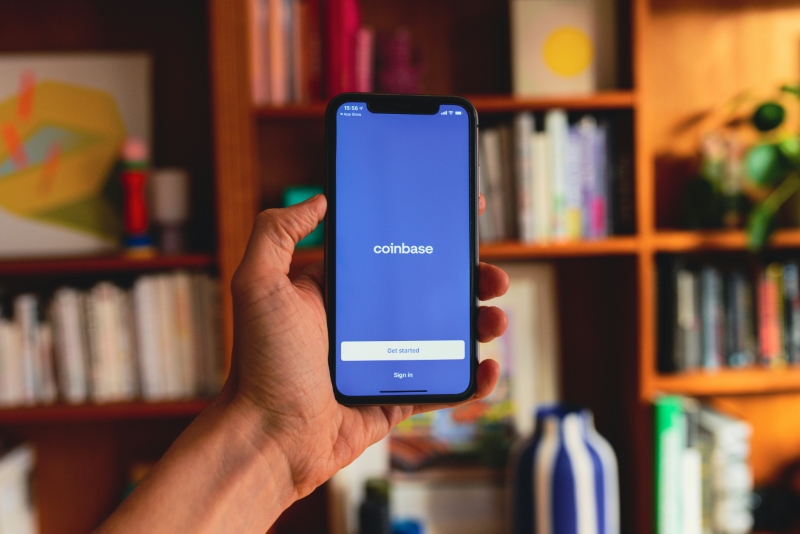
Meanwhile, American platforms like Binance US, Coinbase, and Kraken maintain leadership by improving mobile apps, expanding their coin listings, and offering features geared toward both novice and professional traders. Innovations such as integrating analytics tools, lowering fees (Binance US charges as low as 0.1%), and supporting recurring buys make investing easier and cost-effective[4].
But it’s not just about services-it’s the volume. Europe’s crypto market accounted for roughly 7% of the global volume in 2025, with retail investors still leading but increasingly joined by institutional giants. Germany alone witnessed over 50% growth in crypto activity due to its solid financial infrastructure and smooth MiCA implementation[2][1].
? What This Means for the Crypto Market: An Analyst’s Viewpoint
First and foremost, expanding services signals maturity. When exchanges like Bitpanda, Kraken, and Binance navigate complex regulatory environments and still report monthly trading volumes in billions, that momentum is a clear sign of trust and stability within the market[1].
Secondly, institutional participation is game-changing. Banks, asset managers, and other large investors historically wary of crypto are now entering the arena in Europe and the US, supported by regulated custody services and improved compliance[1][2]. This influx improves liquidity, reduces volatility, and invites long-term capital.
Third, regulatory harmonization in the EU (such as the proposal to empower ESMA-European Securities and Markets Authority-with SEC-like powers) aims to unify fragmented oversight[3]. This could level the playing field, reduce market fragmentation, and attract global capital instead of pushing startups to the US or Asia.
Finally, the growing user preference for mobile platforms and cross-border investment ease in Europe indicates a consumer-friendly environment that aligns with how modern investors interact with finance[1]. The shift towards EUR-denominated stablecoins and away from USD versions also reflects a strategic economic adaptation influenced by geopolitical changes[2].
? Practical Tips for Investors in the Expanding Crypto Exchange Ecosystem

- Choose Regulated Platforms: Opt for exchanges with licenses under MiCA in Europe or solid regulatory compliance in the US like Gemini or Kraken to avoid exposure to unsafe platforms.
- Leverage Mobile Trading: If you’re in Europe, consider using apps that provide seamless mobile trading and portfolio management since 60% of users prefer mobile access[1].
- Keep an Eye on Stablecoins: Watch for growth in EUR-backed stablecoins such as Circle’s EURC, especially if you operate within Europe, as they gain volume and regulatory backing[2].
- Explore Institutional-Level Services: For seasoned investors, exchanges offering staking, futures, and margin trading (e.g., Kraken US, Binance US) can offer new pathways to increase returns and hedge risk[4].
- Stay Informed on Regulation: Regulatory environments are evolving fast. Follow EU developments on ESMA’s expanded powers and U.S. SEC announcements to anticipate market shifts[3].
- Diversify Cross-Border: Take advantage of Europe’s integrated market to diversify holdings across regions using exchanges licensed in multiple EU countries[1].
? Personal Insight: The Bigger Picture - Why This Matters to You

From an analyst’s perspective, what truly excites me about the expansion of crypto exchanges is how it signals a breaking down of the old barriers that kept crypto niche and volatile. Regulated exchanges delivering better products, coupled with more institutional muscle, means fewer unexpected crashes and scams-a welcome change for investors.
More so, the gradual harmonization of rules, especially in Europe, suggests crypto isn’t a wild frontier anymore but a legitimate asset class gaining its rightful place in global finance. Imagine a future where buying your first Bitcoin is as easy, regulated, and secure as opening a standard bank account.
This does not mean it’s all smooth sailing. The speed of regulatory change and geopolitical influences require vigilance and adaptability. But, as the ecosystem stabilizes and matures on both sides of the Atlantic, your opportunities multiply with safer, smarter, and more varied options.
? Wrapping It Up: What’s Next for Crypto Exchanges Across Europe and the US? ?
The race to expand crypto exchange services isn’t just about gaining users-it’s about rewriting how we perceive and interact with money and assets. The interplay between regulation, innovation, and market demand is creating fertile ground for a crypto revolution that could redefine finance on a global scale.
Are you ready to navigate this evolving landscape, or will you watch from the sidelines as this new financial era unfolds? What could be the biggest opportunity or risk for you in this expanding market?
Explore more about Crypto Exchanges Expand Services Across Europe and the US, dive into trends about Crypto Market Growth in Europe and US, or learn the essentials on Regulatory Frameworks for Crypto Exchanges to stay ahead in this transforming space.
Sources: