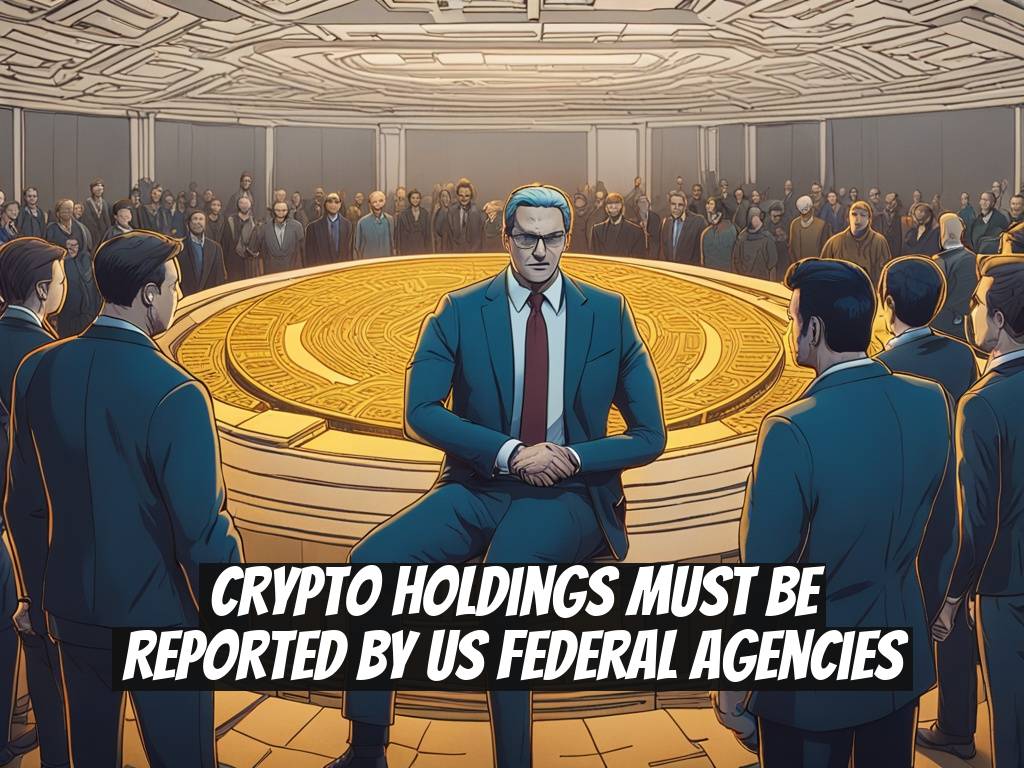
? What Does the US Government’s Crypto Move Mean for Investors? ?
Hey there! So, let’s break this whole crypto situation down, shall we? As a young guy hanging in New York’s fast-paced environment, I’m always looking for those trends that could shake up our wallets. Recently, the U.S. government’s move to mandate federal agencies report their cryptocurrency holdings has sent ripples through our beloved blockchain world. The focus here is pretty clear: they’re aiming for a centralized digital reserve, and that could change everything for us as investors.
Key Takeaways
- Federal agencies must report crypto holdings by April 7.
- Trump’s administration pushes for a centralized digital reserve for cryptocurrencies.
- The initiative includes creating a Bitcoin Reserve, like a digital Fort Knox.
- This could boost institutional trust and stabilize the crypto market in the long run.
Subscribe to our Social Media for Exclusive Crypto News and Insights 24/7!
Now, if you’re wondering why this matters, here’s the scoop. On April 7, every federal agency is required to take a good, hard look at their crypto wallets and report back to the Treasury. This is part of an executive order from Trump-yep, you heard me right, Trump is back in the crypto headlines again. But why? Well, it’s all about control, transparency, and, believe it or not, security.
? A New Era of Accountability in Crypto ?
Think about it. The government has been pretty hands-off when it comes to digital currencies-a “wild west” atmosphere if you will. But with agencies now mandated to report, there’s potential for a more regulated environment. Maybe, just maybe, this could lead to fewer scams, better protections for investors, and overall, a healthier market.
Now, let’s get to the juicy part-the Bitcoin Reserve. Imagine a digital vault teeming with cryptocurrencies like Bitcoin, Ethereum, and others. Instead of selling off seized crypto from law enforcement actions (which has historically been a terrible idea-more on that later), they plan to hold on to these assets in a kind of digital Fort Knox. Even David Sacks, a notable advisor on the matter, believes this could transform how we see government involvement in our digital space.
? The Ripple Effect of New Trade Tariffs ?

However, as with everything in life, it’s a double-edged sword. The government’s recent introduction of tariffs on imports created a stir, leading to a steep decline in the global cryptocurrency market, slumping by over 8% and sinking market cap down to about $2.5 trillion. Ouch! Analysts are suggesting that this instability is a knock-on effect from the tariffs, showing that government moves have real influence on the market-so investors should keep their eyes peeled!
But don’t fear yet-hold your horses! While these short-term effects can be a drag for investors, the long-term implications of the new reporting requirements might actually build investor confidence. It’s all about that institutional maturity. If done right, we’re looking at a potential economic lever, helping legitimize digital assets even further.
? Practical Tips for Investors ?
Stay Informed: Keep an eye on upcoming news regarding cryptocurrencies, especially regarding government regulations or shifting policies. Tools like Twitter, crypto news sites, and reputable financial news outlets can offer real-time insights.
Portfolio Diversification: Given the market’s volatility, it’s wise to not have all your eggs in one basket. Consider a mix of established coins like Bitcoin and Ethereum along with newer projects showing promise.
Long-Term Perspective: Crypto isn’t a get-rich-quick scheme; it’s all about the long game. While the market might dip and swing, staying patient can often yield better returns.
Join Communities: Places like crypto-focused forums and Discord channels can be invaluable. Engaging with others can provide you with hidden insights or investment tips you wouldn’t have found solo.
- Watch Regulations: New rules can indicate opportunities or risks. Understanding how regulations affect crypto can help you pivot your strategy accordingly.
? The Bigger Picture & Future Implications ?
The bottom line is this: the U.S. government is stepping up its game when it comes to cryptocurrencies. And whether you’re ready or not, it’s gonna shake things up in the market. It could either lead us toward a more accepted digital currency system or, as some skeptics may argue, tighten the grip on decentralization we’ve valued so much.
So, here’s a question for you to mull over: Are we ready for a future where the government has a defined role in the crypto space, or should we continue to champion a fully decentralized approach? Your thoughts?