
Crypto Security: How Job Seekers Are Targeted ?
Hey there! So, let’s dive into a pretty alarming trend that’s been bubbling up in the crypto world-specifically around job hunting in the industry. You’d think hunting for a job in blockchain would be straightforward, right? But imagine this: you’re a talented developer, excited about landing that dream position at a major crypto exchange, only to fall prey to a sneaky scam. That’s what’s happening, especially among candidates in India, who are being targeted by North Korean hackers using cunning methods to steal personal info. Let’s break it down!
Key Takeaways:
- North Korean hackers are using fake job postings to lure crypto job seekers.
- These scams involve staged interviews and fake recruitment processes.
- A sophisticated malware known as PylangGhost is taking advantage of the situation.
- Precautionary measures include verifying job offers and using multi-factor authentication.
Subscribe to our Social Media for Exclusive Crypto News and Insights 24/7!
Job Seekers, Beware of Bogus Platforms! ?
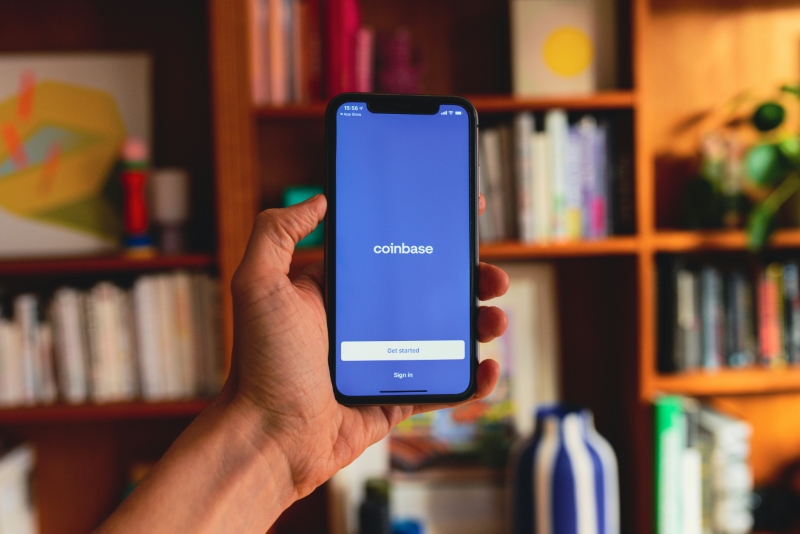
Okay, first things first-these hackers are getting crafty. If you’re looking for a position in the crypto space, you’ll probably encounter job postings that look around legit as companies like Coinbase or Robinhood. They reach out via LinkedIn or email, promising an exciting opportunity. But here’s where it gets fishy!
Once you show interest, they invite you to a “skill-testing” site that appears harmless. But, while you’re casually browsing, the site is harvesting details about your system and browser. It’s like when your buddy pretends to be a barista so they can spy on the coffee shop’s secret menu-you never know who’s watching!
Quick Tips:

- Always check the credibility of the job platform. Look for reviews or feedback online.
- Don’t click on any links that seem sketchy. If it doesn’t feel right, it probably isn’t.
Why You Shouldn’t Ignore the Interview Process ?

Now, say you make it past the application stage. What happens next? You enter a live video interview, and it seems standard until they ask you to “update your camera drivers,” and then, whammo! You copy a line of code into a terminal window, and just like that, PylangGhost is installed. This isn’t just your run-of-the-mill hijacking; this malware is next-level!
Here’s What It Can Do:

- Steal passwords and browser cookies from over 80 different extensions, including popular crypto wallets like MetaMask.
- Take remote control of your computer-think about the implication of someone having that kind of access!
It’s wild to think a simple “interview” can lead to losing your hard-earned crypto assets.
The Threat Isn’t New, But It’s Getting Worse ?
Let’s take a step back and look at the history. North Korean hackers, specifically a group known as Famous Chollima, have been executing similar scams since at least 2019, stealing millions through clever schemes. In fact, they previously targeted candidates with fake recruitment tests leading up to the $1.4 billion Bybit heist. Their consistent tactics showcase a worrying pattern that you should be aware of.
If they’ve been successful before, it makes the urgency to stay alert even more critical.
Action Steps:
- Verify job offers using trusted sources. Sometimes the best info doesn’t come from the company but from industry insiders.
- Rely on security tools like endpoint detection to flag unusual activity.
Time to Get Serious About Security! ?
Given the advanced tactics being deployed, security teams are on high alert. They’re advising that you check every URL for sloppy spelling-hackers often make small errors to stay under the radar. Another good practice? Use multi-factor authentication! It’s like locking your front door and then putting a chain on it-extra security always helps.
And hey, if you’ve got a hardware wallet, keep that thing offline! This way, even if your system gets compromised, your assets remain safe. It’s like keeping your most precious belongings in a safe instead of a shoebox under your bed-common sense stuff!
As someone who’s passionate about crypto and its potentials, it’s genuinely disheartening to see these kinds of scams tarnish the industry. However, awareness is power! The more we talk about these threats, the more we can protect ourselves and our communities.
In conclusion, consider this: how often do you verify the security of the platforms you use or the jobs you apply for? The next time someone approaches you with what looks like a dream opportunity, take a moment to reflect-could it be too good to be true? ?