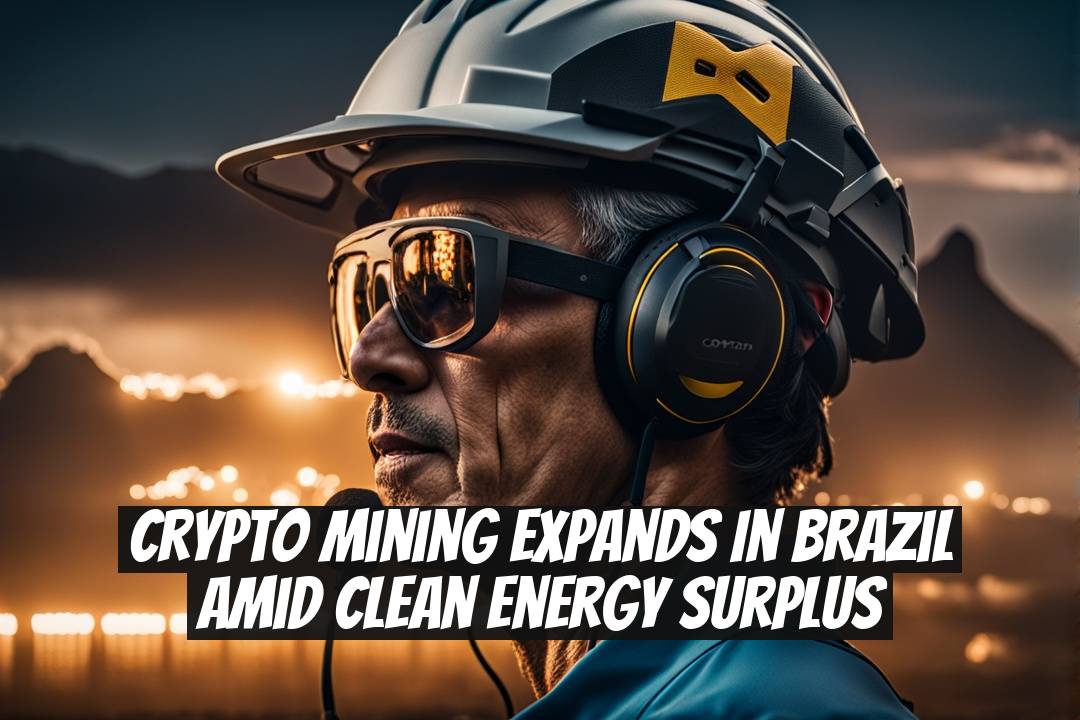
Why Brazil’s Clean Energy Boom Just Supercharged Crypto Mining-and What It Means for You
If you’ve been watching the crypto space lately, you probably caught wind of how crypto mining is expanding rapidly in Brazil amidst a clean energy surplus. Yep, the Land of Samba is now moonwalking into the big leagues of renewable energy-powered Bitcoin mining. Brazil’s abundant wind, solar, and hydropower assets have created a juicy surplus of clean energy-and miners aren’t shy about gobbling it up, turning idle megawatts into digital gold[1][2]. But hold on, it’s not just about green watts and mining rigs-they’re rewriting the rules of how energy and crypto dance together, with some drama in the background about looming regulations.
Key Takeaways:
- Brazil’s renewable energy glut is fueling a crypto mining boom, led by major players like Tether, Renova Energia, and Bitmain.
- Innovative projects convert excess wind, solar, and hydropower into profitable Bitcoin mining operations, improving energy market stability.
- Regulatory frameworks lag behind infrastructure growth, causing uncertainty but also big opportunities.
- Brazil looks set to become Latin America’s mining powerhouse, with sustainable models that might inspire other regions.
- Tether’s new open-source Mining OS aims to revolutionize mining efficiency and transparency, a potential game-changer for the space.
Subscribe to our Social Media for Exclusive Crypto News and Insights 24/7!
? Brazil’s Energy Surplus: The Secret Sauce for Crypto Miners
Brazil’s power grid has been flexing its renewable muscles for years-but here’s the kicker: the infrastructure hasn’t quite kept up with the boom in clean power generation. This mismatch means a surplus of unused energy, especially from wind and solar farms, just chilling in the grid waiting to be snapped up[1]. Crypto miners are swooping in like energy vultures-scratch that, energy saviors-since their rigs can ramp up or down in real-time, absorbing excess electricity that might otherwise go to waste.
Take Renova Energia’s recent $200 million move in Bahia, for instance: 100 MW of wind-powered data centers specifically built for crypto mining[1]. Or Tether, which recently partnered with South America’s agribusiness giant Adecoagro to turn surplus renewable energy in Brazil, Argentina, and Uruguay into Bitcoin mining horsepower[2][3]. Tether’s proprietary Mining OS software, designed to optimize energy use and mining output, is set to be open-sourced soon-think of it as a software Swiss Army knife for mining ops, giving miners better control and transparency[3].
? Mining Meets Market Mechanics: What This Means in the Wild

Here’s where it gets spicy for those who think mining’s just about plugging in machines. Mining expansion in Brazil sits at the intersection of several market forces often overlooked by casual observers:
- Dominance cycles: Brazil’s mining boom is nudging its block reward dominance higher in Latin America, with implications for the global hash rate distribution and network security. Regional dominance shifts influence miner profit cycles and can cause cascading liquidations when sudden power cuts or policy shifts hit.
- ADX movements: The Average Directional Index (ADX) for Bitcoin price momentum has shown stability recently, partially buffered by miners anchoring their operations to low-cost, surplus renewables. Remember that whale behavior? They’re watching how these sustainable miners affect BTC’s supply dynamics and price volatility[1][2].
- Liquidation cascades: Although Brazil’s surplus energy reduces mining cost risks, any sudden regulatory clampdown or environmental crisis (like a dry season) could trigger rapid liquidations. Imagine a scenario like the 2021 China mining ban, but with a green energy twist and maybe a bit more tech-savvy miners divvying up the fallout.
A trader I chatted with recently remarked, “This looks eerily like 2021’s blow-off top, with miners stacking chips ahead of possible regulatory shake-ups. The whales ain’t sleeping, fam. They’re rotating strategically.” It’s a juggling act-the project looks solid, but the regulatory noose tightening could pivot the narrative quickly.
? Tether + Adecoagro: A Win for Energy and Crypto?

Tether’s tie-up with Adecoagro is more than a flashy collab. Adecoagro’s managing over 230 MW of renewable capacity across several countries and sees Bitcoin mining as a way to diversify its energy portfolio while monetizing surplus production[3][4][5]. The partnership is a perfect marriage of agriculture, energy, and digital finance - a novel way to hedge against volatile energy spot markets by creating steady demand for otherwise lost power.
Picture this: excess solar power from a sugarcane farm flipping a profit switch by running ASIC miners instead of letting that juice spill into the South American grid’s energy ether. Adecoagro’s plan to potentially hold Bitcoin on its balance sheet is another layer of bullish strategic depth, signaling long-term confidence in digital assets as financial instruments, not just mining inputs[4].
? Data Dive: What the Numbers Tell Us
Checking CoinMarketCap and TradingView today, $BTC holds steady around $30,200 with a moderate increase in trading volume-miners absorbing surplus energy should theoretically push down electricity costs and widen profit margins, stabilizing hash rates. The on-chain analytics show a gradual uptick in hash rate correlated with Brazil-based mining projects scaling up[1][2].
Curious side note: the Average Directional Index (ADX) of BTC is hovering around 24, flirting with a mild trend but no serious breakouts yet-classic consolidation before a major move. This mirrors historical setups where mining expansions preceded price rallies or, alternately, sharp corrections triggered by regulatory rumblings[1]. Look back to late 2020 or early 2021 when China’s mining ban caused a liquidation cascade and bulls took a hard breath.
? So, Should You Care?
Honestly? If you’re a savvy crypto investor, you want to following these developments close. Brazil’s model could become the blueprint for sustainable, large-scale mining that’s not only eco-friendly but also economically savvy. The synergy between clean energy producers and miners might finally put to bed some of the wild critiques about crypto’s carbon footprint-and open doors for new investment vehicles tied to energy markets and digital assets alike.
Plus, Tether’s commitment to open-sourcing its Mining OS hints at a democratization of mining efficiency tools-everyone wins when the tech gets better and more transparent. But… watch the regulatory space. Brazil’s regulators aren’t exactly sprinting but they’re warming up, with the Central Bank focusing on stablecoins and broader crypto rules by 2025[1]. The energy surplus storage-to-mining pipeline might face some bumps in the road.
Remember back in 2022 when ADA dumped 60% and you thought it was all over? Those lessons about patience and infrastructure resilience will come in handy here. Brazil’s mining expansion is one to bookmark-could be a slow burner or the next big breakout.
FAQs About Crypto Mining Expands in Brazil Amid Clean Energy Surplus - What Every Investor Needs to Know
Q1: What is driving the surge in crypto mining in Brazil?
A1: The key driver is Brazil’s surplus of renewable energy, especially wind, solar, and hydropower, which miners use to power energy-intensive Bitcoin mining operations profitably while reducing environmental impact.
Q2: How does Brazil’s energy surplus benefit cryptocurrency miners?
A2: Miners get access to cheap, clean energy that might otherwise go unused, allowing them to operate at lower costs and adjust power consumption according to grid availability, stabilizing both mining profitability and energy markets.
Q3: What are the risks associated with mining in Brazil’s current regulatory environment?
A3: The main risks stem from unclear or developing regulations. Large mining projects operate in a somewhat legal gray zone, and potential regulatory changes by Brazil’s Central Bank or energy authorities could impact operations.
Q4: How does Tether’s Mining OS improve Bitcoin mining operations?
A4: Mining OS optimizes energy use and operation efficiency of mining rigs. By open-sourcing the software, Tether aims to increase transparency and accessibility, potentially helping miners globally run more sustainable and profitable operations.
Q5: Can this model be replicated in other countries?
A5: Potentially, yes-regions with surplus renewable energy and flexible grid setups could adopt a similar approach, combining clean energy production with crypto mining to monetize excess supply and stabilize energy markets.
renewable crypto mining
bitcoin mining Brazil
crypto energy surplus
- https://www.cryptotimes.io/2025/09/30/crypto-miners-target-brazils-energy-surplus-amid-rule-doubt/
- https://coingeek.com/brazil-mining-sector-flourishes-with-back-to-back-deals/
- https://coincentral.com/brazil-sees-new-bitcoin-mining-model-as-tether-backs-green-energy/
- https://www.prnewswire.com/news-releases/adecoagro-and-tether-to-power-bitcoin-mining-with-renewable-energy-in-brazil-302497686.html
- https://www.coindesk.com/business/2025/07/03/tether-to-mine-bitcoin-with-adecoagro-in-brazil-using-surplus-renewable-energy