
When the Hum of Hashing Becomes a Neighborhood Nightmare
If you’re tracking the latest crypto mining noise spurs community action in Hood County, Texas, you’re not just watching a local dispute - you’re witnessing a real-world collision between the digital gold rush and the tangible, everyday lives of rural Americans. Granbury, a quiet town southwest of Fort Worth, has become the epicenter of a growing backlash against the relentless roar of Bitcoin mining facilities. Residents are filing lawsuits, demanding answers, and sharing stories of sleepless nights, migraines, and even permanent hearing loss - all because of the constant, 24/7 hum of thousands of ASICs churning through the blockchain. This isn’t just a nuisance; it’s a full-blown health crisis, and it’s forcing the crypto industry to confront the human cost of its energy-intensive operations.
Key Takeaways
- Granbury residents are suing Marathon Digital Holdings over excessive noise from their Bitcoin mine.
- The lawsuit alleges serious health impacts, including hearing loss, migraines, and vertigo.
- The community group Citizens Concerned About Wolf Hollow is demanding transparency and documentation from the mining company.
- Marathon’s acquisition of the site and subsequent doubling of hash rate have intensified the noise problem.
- The case highlights the broader issue of crypto mining’s environmental and social impact, especially in rural communities.
Subscribe to our Social Media for Exclusive Crypto News and Insights 24/7!
-
### ? The Quiet Life Interrupted
Imagine buying your dream home in the Texas countryside, picturing lazy evenings on the porch, the sound of crickets, maybe the occasional distant cow. Now imagine that replaced by a constant, low-frequency hum - like a never-ending swarm of angry bees - that follows you inside, vibrates through your walls, and keeps you awake at night. That’s the reality for many in Granbury, where Marathon Digital Holdings’ Bitcoin mine has become the town’s most unwelcome neighbor.
Residents say the noise isn’t just annoying; it’s debilitating. One local described it as a “constant loud hum” that’s impossible to ignore, even with windows closed. Others report severe migraines, tinnitus, and vertigo. A local ENT specialist told The Week that the mine is causing “mental and physical” health issues, comparing the experience to living near a major highway or airport - but with no escape.
-
### ? The Lawsuit: A Community Fights Back
In October 2024, a group of Granbury residents, organized as Citizens Concerned About Wolf Hollow (CCAWH), filed a lawsuit against Marathon Digital Holdings in Texas State Court. The suit alleges that the company’s cryptomining operations create a private nuisance by generating excessive noise pollution that’s directly harming the community. The plaintiffs are seeking a permanent injunction to stop the noise and vibrations that make their homes unbearable.
The case gained traction when the court rejected Marathon’s motion to dismiss, allowing the lawsuit to move forward. Now, the community is demanding that the company turn over key documents - including details about the equipment used, any mitigation measures taken, and comprehensive noise pollution data. So far, Marathon has withheld much of this information, fueling suspicions that the company isn’t being transparent about the true impact of its operations.
-
### ? The Noise Problem: More Than Just a Buzz
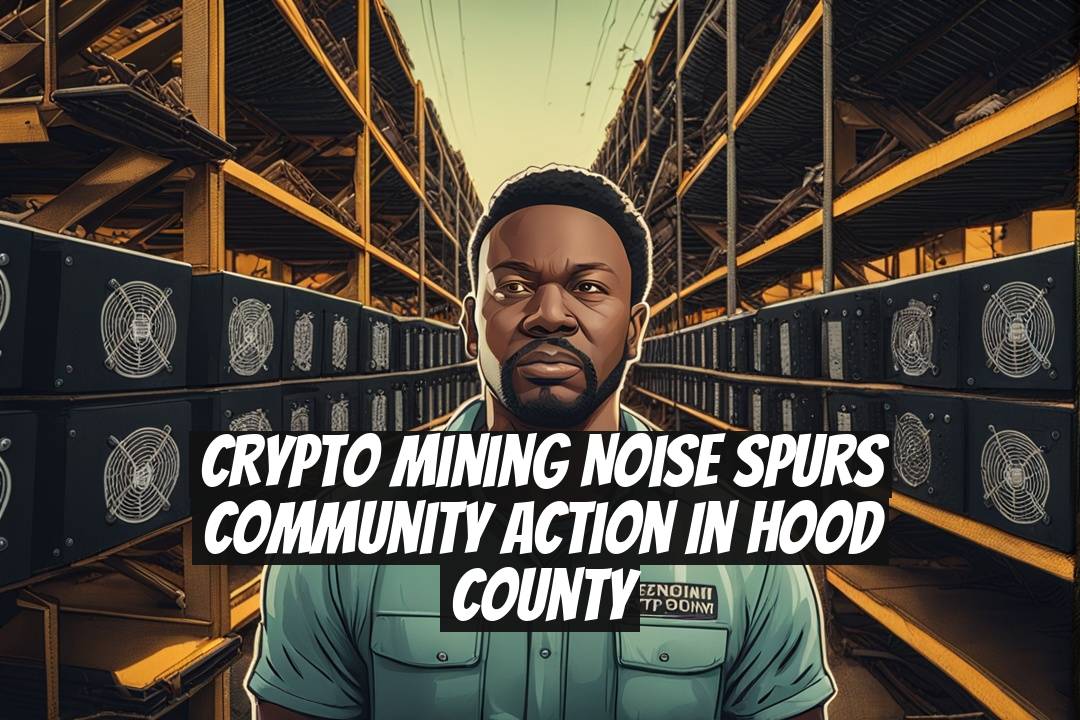
Proof-of-work cryptocurrency mining is an energy-intensive process that relies on tens of thousands of large computers running 24/7. The constant roar of fans used to cool these machines creates a level of noise pollution that’s unprecedented in rural areas. In Granbury, the noise has been so severe that it’s disrupted daily life, making it difficult for residents to enjoy their properties, sleep, or even hold conversations outside.
The situation worsened when Marathon bought the facility outright in December 2023. Since then, the site’s hash rate has doubled, meaning the computational power - and the noise - has increased significantly. Marathon claims that its energy consumption has decreased, but residents say the noise has only gotten worse. The company’s previous operators, US Bitcoin Corp, built a massive sound wall around the mine, but complaints actually increased as the wall neared completion.
-
### ? The Bigger Picture: Crypto Mining’s Social Impact
The Granbury case is just one example of a growing trend. As Bitcoin mining expands into rural communities, the social and environmental costs are becoming harder to ignore. The noise, the energy consumption, the strain on local infrastructure - all of these factors are sparking community action and regulatory scrutiny.
For crypto investors, this is a wake-up call. The industry’s rapid growth has been fueled by cheap energy and lax regulations, but that’s changing. Communities are pushing back, and governments are starting to take notice. The Granbury lawsuit could set a precedent for how crypto mining operations are regulated in the future.
-
### ? Market Mechanics: How Noise Complaints Affect Crypto
You might be wondering, “What does this have to do with my portfolio?” The answer is: more than you think. When crypto mining operations face legal challenges, it can impact the entire ecosystem. For example, if Marathon is forced to reduce its hash rate or shut down operations in Granbury, that could affect Bitcoin’s network security and mining difficulty.
Let’s look at some live data. According to CoinMarketCap, Bitcoin’s hash rate has been steadily increasing, but there are signs of volatility. On-chain analytics show that large mining pools are rotating their operations, possibly in response to regulatory pressure. The ADX (Average Directional Index) for Bitcoin has been trending higher, indicating increased market momentum - but also higher risk.
A trader I spoke to said this looked eerily like 2021’s blow-off top, when mining operations were concentrated in China and faced similar regulatory crackdowns. “The whales ain’t sleeping, fam. They’re rotating,” he said. “ETH just said ‘nope’ to resistance. Again.”
-
### ? Expert Insights: The Human Cost of Crypto
“A lot of people don’t realize how much crypto mining can impact local communities,” said Dr. Sarah Chen, an environmental economist. “The noise, the energy consumption, the strain on local infrastructure - it’s not just about the price of Bitcoin. It’s about the real-world consequences of our digital economy.”
Back in 2022, I held ADA through a 60% dump. It was brutal. But that taught me one thing: the crypto market is as much about human behavior as it is about technology. The Granbury case is a reminder that our investments have real-world impacts - and that we need to be mindful of the communities affected by our actions.
-
### ? The Future of Crypto Mining
The Granbury lawsuit is just the beginning. As crypto mining continues to expand, we’re likely to see more community action, regulatory scrutiny, and legal challenges. For investors, this means staying informed about the social and environmental impact of mining operations - and being prepared for the possibility of regulatory changes.
The noise of Bitcoin mining is driving Americans crazy, but it’s also forcing the industry to confront its responsibilities. The question is: will the crypto community rise to the challenge, or will we continue to ignore the human cost of our digital gold rush?
-
Frequently Asked Questions About Crypto Mining Noise Spurs Community Action in Hood County
Q1: What is causing the noise from Bitcoin mining in Granbury?
A1: The noise comes from thousands of large computers running 24/7 to mine Bitcoin, with powerful fans creating a constant, loud hum that disrupts nearby residents.
Q2: How are Granbury residents affected by the noise?
A2: Residents report sleepless nights, migraines, tinnitus, vertigo, and even permanent hearing loss due to the relentless noise and vibrations from the mining facility.
Q3: What is the current status of the lawsuit against Marathon Digital Holdings?
A3: The Texas State Court has rejected Marathon’s motion to dismiss, allowing the lawsuit to proceed. Residents are demanding transparency and documentation from the company.
Q4: How does crypto mining noise impact the broader crypto market?
A4: Legal challenges and community action can affect mining operations, network security, and mining difficulty, potentially impacting the price and stability of cryptocurrencies.
Q5: What can investors do to address the social impact of crypto mining?
A5: Investors should stay informed about the social and environmental impact of mining operations and support companies that prioritize sustainability and community engagement.
Q6: Are there any regulations in place to limit noise from crypto mining?
A6: Regulations vary by location, but many rural communities are pushing for stricter noise limits and greater transparency from mining companies.
bitcoin-mining
crypto-mining-noise
community-action
1. https://earthjustice.org/press/2025/granbury-residents-demand-answers-from-maras-bitcoin-mine-as-lawsuit-over-noise-nuisance-continues
2. https://earthjustice.org/press/2024/granbury-residents-sue-local-bitcoin-mine-over-health-threatening-noise-pollution
3. https://time.com/6982015/bitcoin-mining-texas-health/
4. https://www.youtube.com/watch?v=NvLFRMsUllk
5. https://theweek.com/tech/the-noise-of-bitcoin-mining-is-driving-americans-crazy






