

The Great Crypto Institutional Pivot: Why Prime Brokers Are Betting Big on Stablecoins (And What That Means for You)
If you’ve been watching the crypto market lately, you’ve probably noticed something: the “big money” isn’t just dipping its toes anymore-it’s cannonballing in, and it’s demanding the kind of infrastructure it’s used to in old-school finance. That’s where crypto prime brokers come in-think of them as the concierge desks for hedge funds, family offices, and asset managers looking for big-league crypto exposure without the hassle. But here’s the real twist: 2025 is turning out to be the year these brokers are rolling out stablecoin-based services for institutions, making everything from margin trading to settlement smoother, faster, and, frankly, a lot less sketchy[1][2][4].
Sure, you might’ve heard of stablecoins before. But when prime brokers start using them as the rails for lending, collateral, and real-time settlements, it’s not just a trend-it’s a tectonic shift. Suddenly, whales can move millions in seconds, trade with leverage without fretting about bank wire delays, and settle positions instantaneously, all using USDC, USDT, or whatever flavor of stablecoin your broker supports[2][4]. The result? More capital efficiency, less counterparty risk, and a market that’s open 24/7, not just when the banks are.
Key Takeaways
Subscribe to our Social Media for Exclusive Crypto News and Insights 24/7!
- Crypto prime brokers are the secret sauce for institutions diving into digital assets-offering liquidity, custody, risk management, and settlement all in one place[1].
- Stablecoins are now the backbone for institutional crypto services, enabling instant settlement, real-time collateral management, and seamless cross-border trades[2][4].
- This shift isn’t just about convenience. It’s about reducing risk, boosting market depth, and unlocking new strategies-think arbitrage, yield farming, and liquidity provision at scale.
- Watch for on-chain analytics, liquidation cascades, and dominance cycles to become even more critical as stablecoin-based prime services go mainstream.
- The lines between crypto and traditional finance are blurring fast. This is good for liquidity, but also means more competition-and more volatility.
? The Anatomy of a Crypto Prime Broker: Why Institutions Care (And You Should, Too)
Let’s be honest: if you’re moving serious capital, you don’t want to futz around with a dozen different exchanges, wallets, and custody providers. The risks are too high, the friction too real. Crypto prime brokers solve that by acting as a one-stop shop, aggregating liquidity from multiple venues, providing secure custody, offering margin and credit lines, and handling all the messy post-trade stuff-settlement, reporting, compliance, you name it[1]. For hedge funds used to Goldman or JPM service, this is table stakes.
But what’s really turning heads is how these players are leveraging stablecoins. Take Integral’s PrimeOne, for example-it’s clearing trades and managing margin using USDC and USDT, with positions marked-to-market every 10 seconds and settlements happening on-chain, instantly[4]. No more waiting for banks to open, no more settlement risk because Bob in compliance forgot to sign the paperwork. Everything’s transparent, immutable, and-here’s the kicker-auditable. For institutions paranoid about counterparty risk, that’s pure gold.
You’ve seen this before, right? Back in 2021, when ETH swan-dived into support and everyone was scrambling to cover positions, the lack of real-time settlement made everything worse. Now imagine that same move, but with positions auto-liquidated and settled on-chain in seconds. The liquidation cascade would be brutal, sure, but at least it’d be over fast-no dragging out the pain for days.
? Why Stablecoins? Follow the Money (And the Mechanics)
Stablecoins aren’t just a crypto curiosity anymore-they’re the lifeblood of institutional crypto finance. Want to borrow against your BTC holdings to short ETH? Stablecoins make that possible without waiting on a bank. Need to post margin for a leveraged trade at 3 a.m.? Stablecoins don’t sleep. For prime brokers, the advantages are obvious: predictable value, instant transferability, and easy integration with smart contracts.
But here’s the rub: not all stablecoins are created equal. USDC is often the go-to for institutions because it’s fully backed, audited, and regulated-think of it as the blue-chip stable. USDT? Still dominant by volume, but some funds steer clear because of lingering questions about reserves (though Tether’s been making moves to improve transparency). And then there are the upstarts, the DAI’s and the FRAX’s, trying to carve out a niche with decentralization and overcollateralization.
What’s fascinating is how this is playing out on-chain. Check the CoinMarketCap or TradingView charts: when BTC or ETH makes a big move, USDC and USDT volumes spike. Why? Because traders are rotating into stables to lock in gains-or to get ready for the next trade. When the market’s choppy, you’ll see massive minting and burning activity for stablecoins, reflecting real-time demand for liquidity and collateral. This isn’t just theory-on-chain analytics show the correlation between volatility and stablecoin flows is getting tighter every cycle.
A trader I spoke to last week put it bluntly: “This looks eerily like 2021’s blow-off top, but with one difference-this time, the plumbing actually works.” Translation: the infrastructure is catching up with the hype.
? Market Dynamics: Volatility, Liquidation, and the Whales’ Game
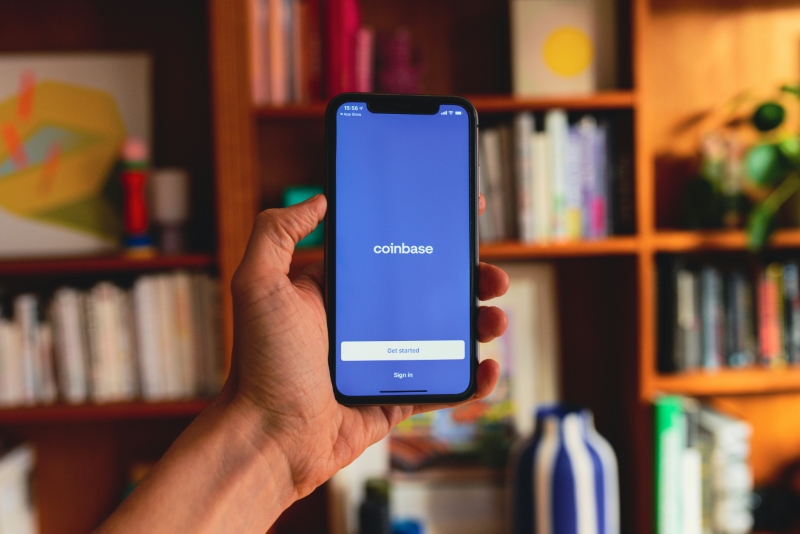
Okay, let’s talk mechanics. When stablecoins become the settlement layer for prime brokerage, things get spicy. Margin calls? They happen in real time, with positions liquidated automatically if collateral drops below a certain threshold. That means liquidation cascades-when a big drop triggers a wave of forced selling-can hit harder and faster. Remember March 2020 or June 2022? Those were messy. Now imagine the same scenario, but with smart contracts handling everything, and, well, you get the picture.
But here’s the flip side: with more capital efficiency and deeper liquidity, the market’s less prone to those wild, existential swings. Stablecoin-based prime brokerage is, in a way, maturing crypto into a more professional asset class. Institutions can hedge, arbitrage, and manage risk in ways that were impossible before. And for retail? This means more sophisticated products, tighter spreads, and-if you’re lucky-less heart-stopping volatility.
Still, don’t fool yourself. The whales ain’t sleeping, fam. They’re rotating. You’ll see BTC dominance cycles get more pronounced as institutions park gains in blue-chips, then rotate into alts when risk appetite returns. ADX and RSI signals on TradingView? They’re flashing louder than ever. And the liquidation heatmaps-those are the canaries in the coal mine. When the lines get crowded, brace yourself.
? The Liquidity Flywheel: Custody, Stablecoins, Prime Brokers-Oh My!

Here’s where things get meta. Institutional custody solutions (think Fidelity, Coinbase Custody, Anchorage) are getting better, safer, and more integrated. Stablecoins are the bridge between those custody vaults and the trading venues. Prime brokers sit in the middle, connecting the dots-custody to capital efficiency, and back again[5].
This creates a liquidity flywheel: more capital flows in, markets get deeper, spreads tighten, more institutions feel comfortable joining, rinse and repeat. It’s a virtuous cycle, as long as the music keeps playing. Back in 2022, I held ADA through a 60% dump. It was brutal. But that taught me one thing: liquidity matters more than narrative when the tide goes out.
Now, with stablecoin-based prime services, the flywheel’s spinning faster. That’s good for everyone-unless you’re counting on those 10x moonshots with zero liquidity. Sorry, not sorry.
? So, What’s Next? (And Should You Care?)
Look, if you’re just here for the memecoins and Twitter drama, maybe this feels like inside baseball. But if you’re serious about crypto as an asset class-or just want to understand why the market’s moving the way it is-you can’t ignore the institutional pivot.
Here’s my take: this is bullish long-term, but short-term, expect more volatility as the plumbing gets stress-tested. The SEC, CFTC, and global regulators are watching closely. And sure, there’ll be hiccups-maybe even a prime broker blow-up or two. But the direction’s clear: crypto’s growing up, and stablecoins are leading the charge.
So next time you see BTC teasing a breakout then faking out, remember: the game’s changed. The players are bigger, the tools are sharper, and the stakes are higher. You up for it?
? FAQ: Crypto Prime Brokers & Stablecoin Services for Institutions-Your Burning Questions, Answered
H2. Crypto Prime Brokers & Stablecoins: The FAQs You Need to Scroll For
Q1: What is a crypto prime broker, and how is it different from a regular exchange?
A1: A crypto prime broker acts like a financial concierge for big players-think hedge funds or asset managers-offering services like aggregated liquidity, custody, margin trading, and settlement all in one place. Unlike regular exchanges, prime brokers focus on security, compliance, and integration, making life easier (and safer) for institutions moving serious capital[1].
Q2: How do stablecoin-based services work in crypto prime brokerage?
A2: These services use stablecoins (like USDC or USDT) as the backbone for margin, collateral, and instant settlement. Trades and positions are settled on-chain in real time, reducing counterparty risk and eliminating the need for slow bank transfers[2][4]. This speeds up everything from leverage trading to cross-border moves.
Q3: What are the risks of using stablecoins for institutional crypto finance?
A3: While stablecoins offer speed and transparency, they also carry risks-especially if the issuer isn’t fully audited or transparent about reserves. Liquidation cascades can happen faster with real-time settlement, and regulatory scrutiny is increasing, especially around privacy coins and cross-chain bridges.
Q4: How do crypto prime brokers help with liquidity and capital efficiency?
A4: By pooling liquidity from multiple exchanges and OTC desks, prime brokers give institutions deeper access and tighter spreads. Stablecoin rails mean capital can move instantly, boosting efficiency for arbitrage, hedging, and complex strategies[1][5]. It’s a virtuous cycle: more capital in, more liquidity out.
Q5: What should I watch for in the market as these services roll out?
A5: Keep an eye on on-chain analytics-stablecoin flows, liquidation heatmaps, and dominance cycles are even more important now. Expect sharper moves and faster settlements, but also more sophisticated strategies from institutions. And don’t forget: with great liquidity comes great volatility potential.
Q6: Is this trend good news for retail investors?
A6: Generally, yes. More institutional participation means more liquidity, tighter spreads, and better infrastructure-which can benefit everyone. Just don’t expect meme-driven moonshots to disappear overnight. The game’s leveling up, but the wild west vibes aren’t gone yet.
crypto prime broker
stablecoin liquidity
institutional crypto services
- https://snapinnovations.com/7-top-crypto-prime-brokers-for-institutional-investors-in-2025/
- https://www.financemagnates.com/cryptocurrency/integral-launches-stablecoin-based-crypto-prime-broker/
- https://slashdot.org/software/crypto-prime-brokers/
- https://www.fx-markets.com/infrastructure/7949649/integral-launches-on-chain-crypto-prime-brokerage-service
- https://gravityteam.co/blog/liquidity-flywheel-2025/
- https://www.falconx.io






