

Why Crypto Referral Programs Are the New Gold Rush in 2025
If you’ve been lurking around the crypto scene lately, you probably noticed one thing loud and clear: crypto referral programs are exploding in popularity. But what’s the real deal? How do they work, and why should you care? Whether you’re a seasoned trader or just starting to dip toes in DeFi pools, referral programs are now one of the slickest ways to earn crypto without risking your own stash upfront.
These programs tap into the tried-and-true marketing magic of word-of-mouth - but turbocharged by blockchain’s transparent and incentive-driven ecosystem. From the giants like Binance and Coinbase paying up to 50% commission, to newer platforms offering unique bonuses, referral programs have become a core strategy for crypto businesses looking to grow and for users wanting to stack coins simply by sharing links.
Let’s unpack the mechanics, the market signals backing this growth, and share some analyst insights on how referral programs might ride the waves of crypto’s ever-shifting landscape.
Subscribe to our Social Media for Exclusive Crypto News and Insights 24/7!
Key Takeaways
- Crypto referral programs are increasingly lucrative, with top exchanges like Binance and Coinbase offering commissions up to 50%.
- These programs work by rewarding users for bringing new traders or investors to a platform, often sharing trading fees or bonuses.
- Market trends like trading volume cycles, liquidity shifts, and market dominance impact the efficacy and payout potential of referral programs.
- Successful referrals depend on timing, user engagement triggers (like qualifying deposits), and sophisticated tracking tech.
- Expert traders link referral program booms with wider market behavior, such as liquidation cascades influencing trading activity that drives referral earnings.
? The Payoff Game: How These Programs Actually Work
Alright, picture this: You love crypto, right? But instead of just holding or trading, you also want a side hustle that’s crypto-native. You join a referral program. You grab your unique invite link. You share it with your network - friends, followers, even that one noisy uncle who’s finally interested in Bitcoin.
The platform tracks new signups from your link and rewards you when these new users do certain things - like deposit funds, execute trades, or invest in tokens. The rewards? Could be a cut of trading fees (often a percentage), flat bonuses paid in crypto or stablecoins, or even ongoing residual income for as long as your referrals stay active.
Take Binance for instance. Their affiliate program can hook you up with up to a 50% cut of the trading fees your referrals pay, paid out basically in real-time [5][6]. Coinbase’s program is similar, offering rewards that align nicely with crypto adoption trends, incentivizing newbies to both join and trade actively [3][5]. High rollers like Bybit sit in the same league with 50% commissions and extra perks like networking events for affiliates [7].
Here’s why it clicks:
- It’s performance-based - no fake traffic, only real users who actually trade or deposit.
- Leverages network effects - crypto’s community vibes fuel organic growth.
- It’s a win-win - platforms gain users and volume; affiliates earn crypto without upfront investment.
? Diving Into The Numbers: Real-Time Market Data Meets Referral Programs
Wanna see the magic happen? The health of these referral programs is tightly stitched to crypto market activity-which you can spy on through tools like CoinMarketCap and TradingView.
Right now, BTC dominance sits around 45%, with altcoins jockeying for their slice. Trading volumes, especially on top exchanges like Binance and Coinbase, have seen noticeable upticks during alt-season cycles. Why does this matter? When market momentum builds, more users jump in to trade, boosting referral earnings.
Here’s a quick look at how volumes impact referrals:
| Metric | Influence on Referral Programs |
|---|---|
| Trading Volume | More trades = higher fee revenue = bigger referral payouts |
| ADX (Average Directional Index) | Strong trending markets (ADX > 25) usually spark more trading bursts |
| Liquidation Cascades | Big price swings trigger liquidations, ramping up trading activity |
| Market Dominance Shifts | When alts surge, users flock to platforms offering those tokens |
Remember May 2021? ETH didn’t just wobble - it swan-dived through support levels barely seen before, sparking mad liquidation cascades on leveraged platforms. That wild episode sent referral commissions on platforms like Binance skyrocketing as traders scrambled to reposition.
As one analyst I talked to put it, “That 2021 blow-off top was a referral bonanza; volumes surged, liquidity was tight, and anyone with a referral link was cashing in hard. We’d’ve thought a crash would chill affiliate payouts, but it supercharged them.”
Here’s an excerpt from Bank of America research on crypto trading volumes during volatile phases, emphasizing this dynamic push in referral-linked revenues [1].
? How Market Mechanics Make or Break Referral Income

Referral programs don’t operate in a vacuum - they ride the market’s rollercoaster like you and me.
Dominance Cycles: When Bitcoin is king, most trading happens in BTC pairs. Referrals that connect users to platforms with strong BTC liquidity catch the biggest commissions. During “alt seasons,” when coins like Solana, ADA, or BNB surge, those with wider token offerings in their referral portfolio see more usage.
ADX Movements: ADX measuring trend strength can predict short-term bursts in trading activity. When ADX pushes above 30, markets trend hard, trading fees balloon, and referral payouts can swell accordingly.
Liquidation Cascades: Massive swings trigger forced liquidations on margin positions. This ramps up trading volume due to distressed positions being closed and reopened, pushing more commissions into affiliates’ pockets.
Remember back in 2022, holding ADA through a near 60% dump? Brutal. But also a lesson: referral programs are great for capturing passive income while markets are shaking out the weak hands.
One veteran trader told me, “The whales ain’t sleeping, fam. They’re rotating. And when they move, volumes explode-that’s referral gold.” Those rotations spike platform usage, directly fattening referral earnings.
? Top Players & Their Referral Program Highlights
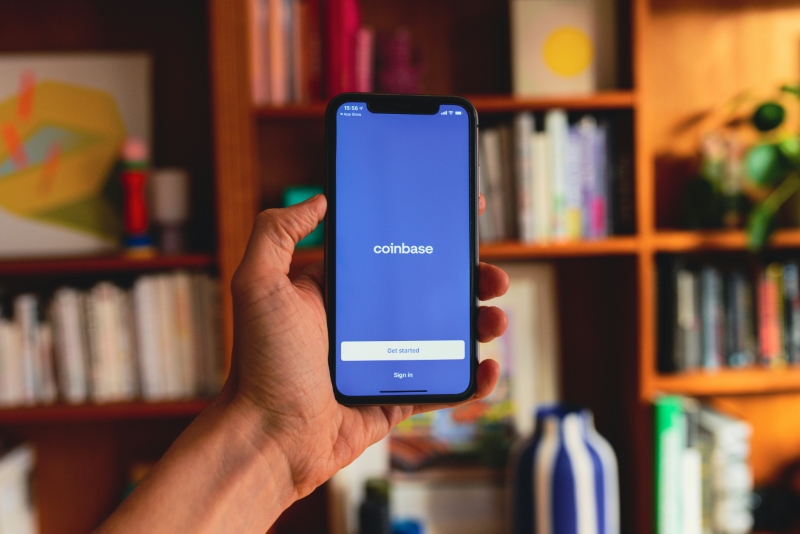
Here’s a snapshot of where you want your referral hustle to land in 2025:
| Platform | Commission Rate | Payment Method | Key Feature |
|---|---|---|---|
| Binance | Up to 50% | Real-time settlements in crypto | Massive liquidity, global trust [5][6] |
| Coinbase | Up to 50% | Local currency, crypto rewards | User-friendly, great for newbies [3][5] |
| Bybit | Up to 50% + sub-affiliates | Monthly payouts + events | Community-centric & high commissions [7] |
| Blockchain-Ads | 10% referral bonus + lifetime commissions | Stablecoins | Web3 focused with marketing bonuses [1] |
| Kraken | $10 per referral | Quick BTC payouts | Simple, easy rewards [4] |
? Pro tip: Choose programs that pay recurring commissions or share trading fees ongoing, not one-off bonuses. That’s where the real passive income lies.
? B2B Crypto Growth & Referral Ecosystems
Referral programs are driving not just individual gains but also powering B2B ecosystems.
ChangeNOW’s partner program, for example, pays out an average $5,853 monthly to its 1,000+ active affiliates. They dished out over $12 million in rewards, proving the business side of crypto marketing is serious money now [5]. Similarly, Coinbase and Binance have API integrations, campaign tracking, and business-tier tools that make managing referrals scalable for platforms and businesses alike.
Imagine being able to leverage your crypto expertise and audience reach to build a virtual sales force without overhead-these programs make that possible and are evolving fast.
Final Notes & Analyst Takeaways
Anyway, the upshot is pretty clear. The days of simple airdrops are behind us. The crypto referral game in 2025 is about smart partnerships, data-driven timing, and riding the market’s wild waves.
If you can navigate cycles like ETH’s crashes or BTC’s teasing breakouts, you can leverage referral programs for steady coin stacking. As the markets shift, so too do the best referral gigs. Keep your eyes on volumes, ADX signals, and liquidation events-that’s your referral income barometer.
Got your referral link handy? Time to go share it - you know your circle’s been waiting for this.
Crypto Referral Programs Gain Popularity: FAQs To Get You Earning Smarter
Q1: What exactly are crypto referral programs, and how do they benefit users?
A1: Crypto referral programs reward users for inviting new participants to trading platforms or services. Users earn commissions or bonuses when their referrals perform qualifying actions, like depositing or trading, creating a win-win where users profit by growing the network.
Q2: How do trading volumes affect referral program earnings?
A2: Higher trading volumes on crypto exchanges increase the fees generated, which directly increases the commissions paid to affiliates. Volatile markets with high trade frequency typically boost referral income opportunities.
Q3: Are crypto referral programs safe and reliable sources of income?
A3: When linked to reputable platforms like Binance or Coinbase, referral programs are relatively safe as income streams. However, their reliability depends on continued platform activity and market health-so earnings can fluctuate with market cycles.
Q4: What market indicators should affiliates watch to maximize their referral earnings?
A4: Affiliates should monitor crypto dominance cycles, ADX trend strength, and liquidation cascades since these influence trading activity and volume. Timing promotions around strong market trends or high volatility phases can yield better referral returns.
Q5: Can beginners easily participate in these referral programs?
A5: Definitely. Platforms like Coinbase cater specifically to newbies with easy-to-use referral structures and beginner-friendly incentives. It’s a smart way to earn without deep market knowledge, though understanding the basics surely helps.
Q6: What’s the main difference between one-time referral bonuses and recurring commissions?
A6: One-time bonuses pay affiliates a fixed reward when referrals sign up or complete initial actions, while recurring commissions offer ongoing payouts as long as the referred users trade or remain active. The latter is better for long-term passive income.
crypto referral programs
crypto affiliate marketing
best crypto referral platforms
- https://www.blockchain-ads.com/post/high-paying-crypto-affiliate-programs
- https://www.getresponse.com/blog/best-referral-programs-make-money
- https://www.extole.com/blog/5-powerful-examples-of-referral-programs-in-fintech-marketing/
- https://bitbo.io/tools/affiliate-programs/
- https://crypto.news/6-affiliate-programs-driving-b2b-crypto-growth-in-2025/
- https://propellerads.com/blog/adv-crypto-affiliate-programs/
- https://ninjapromo.io/best-crypto-affiliate-programs






