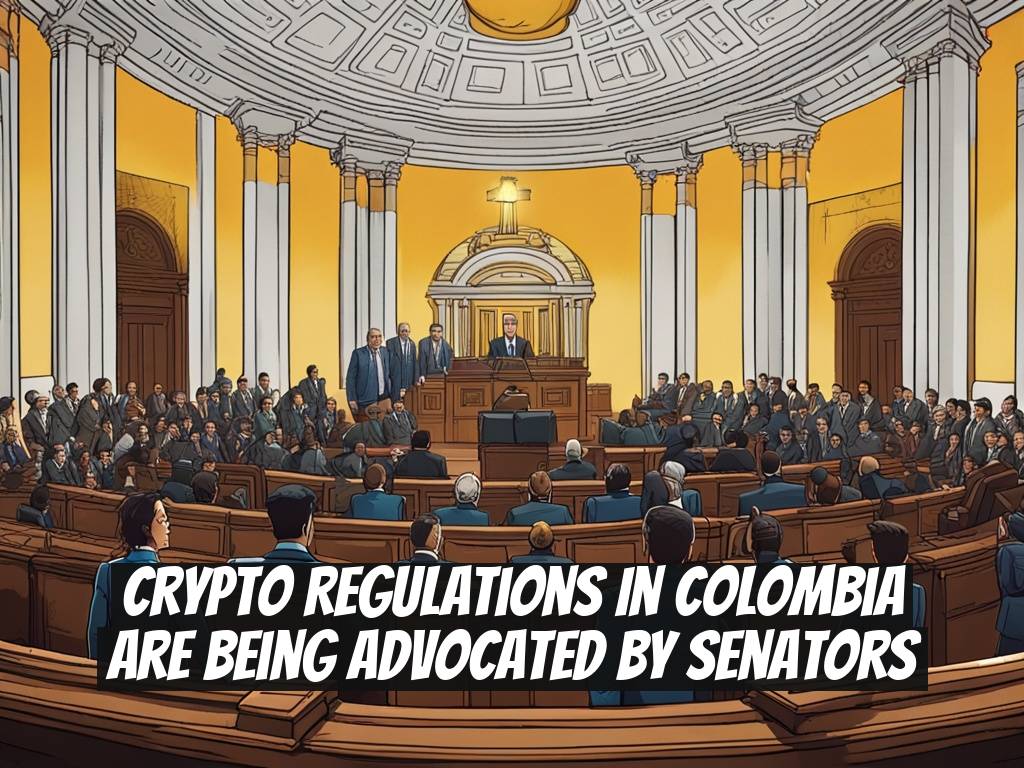
Colombia’s Crypto Movement: Is Change on the Horizon? ??
Alright, so imagine you’re sitting in a café in Bogotá, sipping on a strong Colombian coffee while scrolling through the latest news about the cryptosphere. You come across an intriguing development: Colombian lawmakers are pushing for crypto regulations. This isn’t just some bureaucratic fuss; it carries real implications for the crypto market both locally and globally. Let’s unpack this, shall we?
Key Takeaways
- Colombian senators are proposing a bill aiming to regulate the crypto industry.
- The lack of regulations has led to increased risk and uncertainty for users.
- Over five million Colombians currently use crypto, making regulation a critical concern.
- There’s a push for sensible regulation that doesn’t stifle innovation or investment.
Subscribe to our Social Media for Exclusive Crypto News and Insights 24/7!
Now, here’s where it gets juicy. Senator Gustavo Moreno and Congressman Julián López are stepping up to protect Colombian crypto users. They suggest that the current unregulated market presents significant risks for customers. Think about it: with no governing body keeping an eye on things, crypto platforms can act without any oversight-a rather unsettling thought if you’re holding onto those digital assets, right?
Interestingly, data from blockchain analysts shows that approximately five million Colombians have jumped into cryptocurrencies, with transactions amounting to a whopping $6.7 billion in just the last year. That’s substantial! But with the good comes the bad; a rise in crypto-related scams and pyramid schemes has left many scratching their heads about the safety of their investments.
? Why Regulations Matter
Now, let’s dive deeper into why regulations are urgently needed. Senator Moreno pointed out that the absence of a regulatory framework leads to uncertainty. This uncertainty can create a toxic environment where bad players thrive, ultimately leading to a loss of consumer trust. How do you like them apples?
Furthermore, the Colombian Financial Superintendence has tried its hand at developing crypto-related pilots since 2021. Yet, here we are in 2024, still waiting for a clear regulatory framework. Talk about slow cooking-it’s taking longer than my grandma’s Sunday roast!
But what does the proposed bill entail? There are 16 clauses that cover various essential aspects, from monitoring and marketing rules to anti-money laundering measures. Importantly, the lawmakers believe that protecting users will encourage more investment in crypto. It’s a bit like building a fence around a garden to keep the critters out-once people feel safe, they’re more likely to explore what’s inside.
? A Balanced Approach: Regulation Without Stifling Growth

One of the key discussions among investors is how to navigate the balance between protective regulations and fostering innovation. Daniel Aguilar, a keen investor in the crypto space, highlighted that while regulation is essential, it should not curb creativity or growth. Flexibility is critical, folks!
As we’ve seen in other parts of the world, overly stringent regulations could push crypto companies to greener pastures-places that are more welcoming to innovation. So, while Colombia looks to introduce a VASP Operating Permit System to ensure compliance with anti-money laundering and counter-terrorism financing rules, they walk a tightrope.
Practical Tip: If you’re considering investing in Colombian crypto or exploring the market, keep a close eye on these developments. It can give you a window seat into how the market’s legal landscape might develop. An informed investor is a confident investor!
? The Ripple Effect: What This Means for The Global Crypto Scene

Now, onto a broader horizon. When countries like Colombia craft regulations, it sends ripples across the global crypto market. A safer environment can boost investment from abroad, attract partnerships, and position Colombia as a potential crypto market hub in Latin America. Picture it-a thriving crypto community in the heart of Colombia, paralleling the rise of other international hubs like Singapore or Switzerland!
In a way, Colombia is caught in a bit of a perfect storm. On one hand, the unregulated environment has led people to take risks-sometimes with disastrous results. On the other, the proposed regulations present an opportunity: The chance for the nation to position itself as a leader in crypto regulation. It’s a dance, really, trying not to step on any toes while leading the cha-cha!
? Final Thoughts: Where Do We Go from Here?
As we ponder the future of crypto in Colombia, I can’t help but wonder: Can these proposed regulations really balance consumer protection and innovation? With millions on the line, this is no light topic. For investors contemplating the Colombian market, it’s vital to remain vigilant and engaged with these discussions.
In the end, will Colombia rise to become a crypto leader, or will it fumble the dance? I’d love to hear your thoughts on this. What do you think these regulations could mean for both local and international investors? Let’s keep the conversation going!