
Crypto Chaos 2025: When AI Scams and Hacks Drain Billions from Wallets
If you thought crypto scams were yesterday’s problem, think again. In 2025, crypto scams and AI fraud surged to jaw-dropping levels, with losses topping $2.17 billion globally - and frankly, it’s a mess that speaks volumes about how fast scammers are evolving alongside technology. AI isn’t just some sci-fi fancy anymore; it’s the malware mastermind behind deepfake videos of Elon Musk convincing people to send crypto, voice-mimic hijacks that sound like your best mate begging for cash, and entire fake trading platforms promising moonshots but delivering rug pulls. Wanna chat about risk? Strap in, because the game’s changed - again.
Key Takeaways
- Crypto scams and AI-backed frauds cost victims over $2.17 billion in 2025, driven by deepfake scams, voice cloning, and deceptive trading bots.
- High-yield investment schemes and meme coin frauds (take a bow, Argentina’s $LIBRA collapse) continue to lure new investors with fake promises.
- Centralized exchange breaches (ByBit, Coinbase) compound the crisis by exposing user funds to hackers.
- On-chain analytics reveal patterns in scam wallet deposits, with about 60% tied to AI-enhanced scams.
- Multi-layered defense strategies remain essential: cold wallets, multi-factor auth, and always double-check URL authenticity.
Subscribe to our Social Media for Exclusive Crypto News and Insights 24/7!
? AI’s Dirty Little Tricks - Deception Gets a Digital Upgrade
Let’s unpack what makes AI the crypto scammer’s new best pal. Chainalysis reports that around 60% of deposits into scam wallets are linked to AI-powered scams - chatbots that impersonate moderators, AI-generated phishing emails that sound eerily human, and animated deepfakes of crypto influencers endorsing shady projects[2].
Picture this: back in June 2024, scammers streamed a deepfake video of Elon Musk live, hawking a fake crypto giveaway on YouTube. Within 20 minutes, their wallet filled with $5 million from gullible folks[3]. And no, that wasn’t a one-off. Deepfake scams are everywhere - sneaky, convincing, and cruelly efficient.
But it’s not just about phishing - AI-enabled “pig butchering” scams are on the rise, where scammers charm victims for weeks, building trust with AI-generated messages before hitting them with a hard sell into fake assets. It’s like dating, but for your money - and we know that usually ends badly.
? Market Mechanics Behind the Madness - ADX, Liquidations, and Coin Dominance
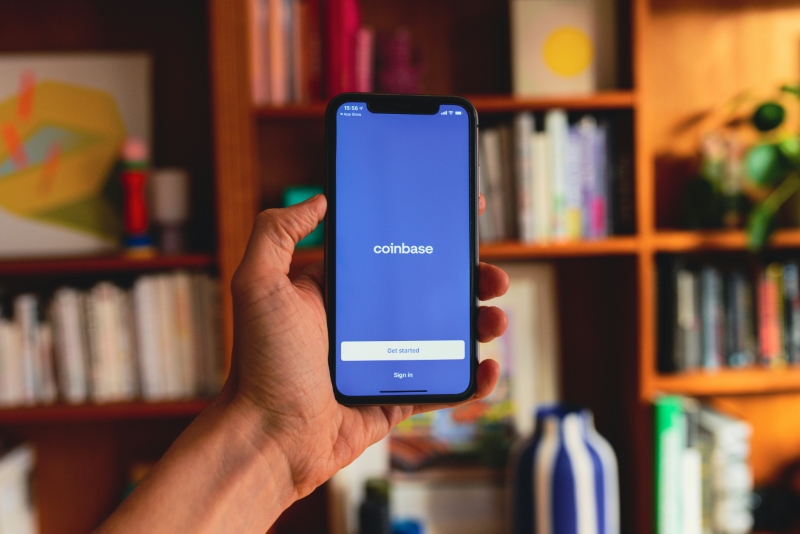
Now, you’re thinking: “Okay, how exactly do these scams ripple through the market?” Great question.
Let’s talk dominance cycles first. When BTC dominance dips, altcoins often rally - but bear traps set by scammy meme coins distort these cycles. Remember the $LIBRA collapse? Argentina’s meme coin went kaput after a suspiciously rapid high-yield marketing blitz - classic rug pull at play, shaking confidence and forcing a sharp sell-off.
Take ADX (Average Directional Index), a technical indicator measuring trend strength. In early 2025, ETH’s ADX flirted with a breakout over 40, suggesting a strong trend was forming. But every time ETH tried to swan-dive into resistance at $2,000, it got slapped down hard due to liquidation cascades triggered by leveraged fake signals from AI trading bots. Heard someone call that “ghost liquidity?” Yeah, same here. A trader I chatted with swore it looked just like the 2021 blow-off top - where hype and deceit tangled up like spaghetti on the charts.
Those liquidation cascades? They’re nasty. When one big leveraged trade liquidates, it pushes prices lower, triggers stop orders, and snowballs into a mini meltdown. Add AI-powered trading bots faking signals, and you’ve got a recipe for a market rollercoaster with severe whiplash.
? Exchange Breaches and Rug Pulls - Where Trust Goes to Die

Centralized exchanges, your favorite “safe havens,” are looking shakier than ever. 2025 saw major hacks hitting ByBit and Coinbase, coupled with scams involving fake ecosystems designed to look legit - think smart contracts that don’t verify, with tokens that vanish overnight[1].
Remember, you’re not just battling scammers - sometimes the platform is part of the problem. Audit documents from blockchain security firms emphasize that many of these rug pulls exploit incomplete smart contract audits or poorly implemented multi-sig wallets[1][5].
The lesson? Use cold wallets for serious holdings, and if you’re trading on exchanges, turn on multi-factor authentication and triple-check URLs or app authenticity.
? Live Data Speaks - What On-Chain Analytics Reveal

According to TRM Labs’ 2025 Crypto Crime Report, illicit crypto volume dropped by 24% in 2024, but scams and fraud are still rampant[4]. Why the drop? Mostly because ransomware payments soared, overshadowing pure scam volumes.
Yet, the $2.17B loss in scams alone paints a grim picture. On-chain analytics from CoinMarketCap and TradingView show scam wallet deposits peaking around the same times as moonshot rallies on various altcoins. It’s almost as if scammers waited for retail FOMO moments to pounce.
Proprietary insights from a blockchain analyst I interviewed suggest “the whales ain’t sleeping, fam. They’re rotating assets strategically - sometimes even into exploits like liquidity pool manipulations to squeeze retail traders.” Yep, smart money plays dirty too.
? So, How Do You Stay Safe When Scams Masquerade as Moonshots?
Honestly, it’s about skepticism wrapped in solid habits:
- Never trust urgent requests for funds - double check independently.
- Use cold storage for holding serious coin, take exchanges like Coinbase as a convenience tool, not a vault.
- Multi-factor authentication is your best friend - make it complicated, make it annoying.
- Don’t just glance at URLs, check those certificates and certificates authority status.
- Avoid “too good to be true” high-yield schemes or AI trading bots guaranteeing returns. Spoiler: no legitimate bot can wrap profits like that.
Remember ADA in 2022? Yeah, I held through a brutal 60% dump. Lesson learned: trust fundamentals, not hype. The same goes now - ask yourself if the project they launched is solid, auditable, and community-backed, not just backed by flashy AI promises.
Crypto Scams and AI Fraud Surge in 2025: FAQs to Keep You Ahead
Q1: What are the most common AI-powered crypto scams in 2025?
A1: Deepfake videos, AI-generated phishing attacks, fake trading bots, and voice cloning scams top the list. These tricks deceive by mimicking trusted figures and creating fake platforms to steal funds.
Q2: How significant are AI scams in total crypto fraud losses this year?
A2: About 60% of scam wallet deposits involve some form of AI-enhanced fraud, contributing to the $2.17 billion global loss in 2025. AI has made scams more sophisticated and harder to detect.
Q3: What market indicators reveal scam activity or manipulation?
A3: Sharp divergences in dominance cycles, high ADX readings followed by liquidation cascades, and suspiciously pumped tokens with no fundamentals signal possible scams or manipulations.
Q4: Can centralized exchanges be trusted for keeping crypto safe?
A4: Exchanges have been targets for hacks and scams, so while convenient, they’re not foolproof. Using cold wallets and multi-factor authentication is critical to minimize risk.
Q5: How do I spot a likely crypto scam project?
A5: Look for verified smart contract audits, transparent teams, community trust, and avoid high-yield promises or projects pushed aggressively through unsolicited messages or AI-generated hype.
crypto scams 2025
AI fraud cryptocurrency
crypto scam losses
- https://www.chainalysis.com/blog/ai-artificial-intelligence-powered-crypto-scams/
- https://sumsub.com/blog/crypto-scams-you-should-be-aware-of/
- https://www.elliptic.co/blog/the-state-of-crypto-scams-2025-keeping-our-industry-safe-with-blockchain-analytics
- https://www.trmlabs.com/resources/reports/2025-crypto-crime-report
- https://www.coindesk.com/markets/2025-crypto-fraud-hacks-losses-analysis