
When Crypto Security Feels Like a Group Project-and Why That’s a Good Thing
Crypto security’s no longer just the playground of tech wizards tucked in dark rooms. These days, community efforts are building trust right before our eyes, and it’s reshaping how the ecosystem safeguards itself. Whether you’re hodling BTC, staking ETH, or flipping altcoins, you’ve probably caught wind of how the crowd’s stepping up to patch vulnerabilities, flag suspicious activity, and bring transparency to an often murky crypto world. But this isn’t some utopian fantasy-it’s a strategic shift born from necessity. With $2.17 billion stolen from crypto services just this year [1], the collective fight to secure assets is real, urgent, and frankly, cooler than you might think.
So, what’s really happening? Let’s dive deep into the gears turning behind crypto security today, how market dynamics like dominance cycles and liquidation cascades impact trust, and why the community’s hand is the secret sauce in this high-stakes game.
Key Takeaways
Subscribe to our Social Media for Exclusive Crypto News and Insights 24/7!
- Community-driven security approaches-bug bounties, open audits, and transparency-are helping platforms rebuild user trust after massive hacks.
- Crypto crime is evolving: attackers increasingly target personal wallets and use sophisticated “wrench attacks” during high price periods.
- Market signals like the Average Directional Index (ADX) and liquidation cascades reveal vulnerability windows, guiding community vigilance.
- Regulatory shifts and collaborations (like Operation Cyber Shield) underscore growing global cooperation in crypto security.
- Real-world examples-from ByBit’s hack to MEXC’s “Proof of Trust”-highlight how community engagement is not just an add-on, but core to platform resilience.
? Community Security in Crypto: Not Your Average Neighborhood Watch
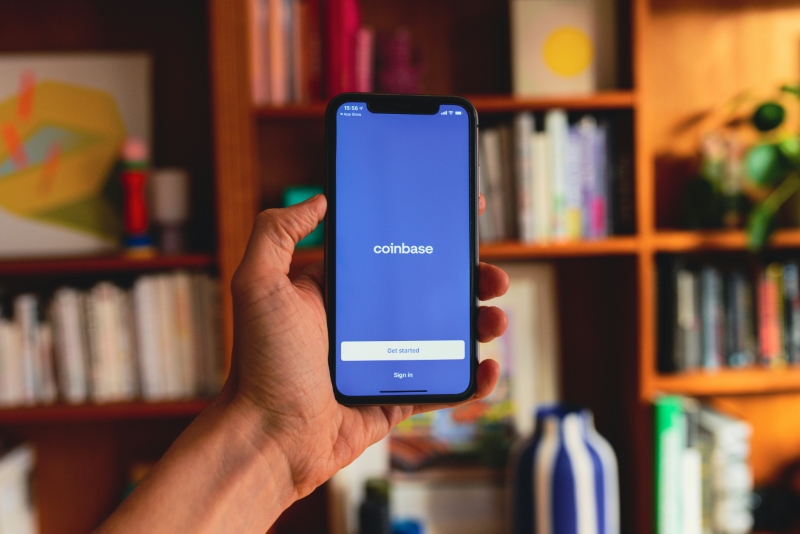
You know how homes with neighborhood watch signs make you feel a little safer? Crypto platforms are pulling a similar move but with way more nerd juice. Bug bounty programs and open-source audits aren’t just goodwill gestures-they’re an admission that crowdsourcing security matters when stakes are sky-high.
Look at MEXC’s “Proof of Trust,” a campaign involving users in ongoing security reviews and education. Regular audits are transparency in action, showing users the platform isn’t hiding skeletons. This level of openness is rare in finance, let alone a decentralized, fast-moving ecosystem like crypto [5]. It’s like handing users a flashlight and saying, “Join us in looking for cracks in the foundation.” And nope, it’s not foolproof, but it’s a far cry from the wild west days when you’d just pray your crypto was safe.
Plus, platforms offering bug bounties - incentives to ethical hackers who sniff out vulnerabilities - foster genuine teamwork between developers and users. That’s a win-win: hacks get pre-empted and the community feels empowered rather than sidelined.
? Market Mechanics: Why Crypto Security Isn’t Just Code, It’s Timing

Security doesn’t exist in a vacuum. When you’ve got BTC dominance cycles swinging and the Average Directional Index (ADX) pointing to trend strength, these market rhythms help us read when things might go south.
For instance, remember May 2023? ETH didn’t just drop - it swan-dived into support levels, triggering liquidation cascades that rocked leveraged traders [Chart source: TradingView]. When large holders get liquidated in quick succession, it creates a domino effect amplifying volatility and inviting opportunistic attacks. A trader I spoke to said it looked eerily like 2021’s blow-off top, with whales rotating positions and retail investors caught holding the bag.
The takeaway? Community vigilance often peaks during these turbulence windows. Forums buzz, Discords light up, and bug hunters sharpen their tools precisely when the market’s riding that thin edge. People don’t just watch charts; they watch the attackers’ playbook, predicting where wallets might get exposed next.
?️ The Real Threat: $2+ Billion Gone and Counting

2025 is shaping up as a grim year for crypto security. Chainalysis reports a staggering $2.17 billion stolen already, surpassing all of 2024 [1]. And here’s the kicker: wallets held by individuals now make up over 23% of theft value. Translation? The whales ain’t sleeping, fam. They’re rotating, and attackers are zeroing in on personal users with increasingly violent means, the infamous “wrench attacks” involving coerced key giving, ramping up right as BTC price rallies spike.
This means you can’t just rely on platforms to hold the fort anymore; personal security steps up as critical. Multi-signature wallets, two-factor authentication, cold storage-these aren’t just options, but essentials.
? Global Collabs & the Policy Puzzle: Security Beyond Borders

The fight isn’t only digital or solo. Look at massive collabs like the Secure Communities Forum’s 2025 Masterclass with Mastercard and law enforcement experts from around the globe [3]. Their upcoming Operation Cyber Shield program is designed to unite forces, sharing intel and policing crypto-enabled crime on an international scale.
Meanwhile, on the regulatory front, U.S. policy is pivoting under new administrations to support crypto innovation but with clearer guardrails [2]. The SEC’s Crypto Task Force is rethinking how to protect investors while fostering growth. It’s complicated - like trying to sprint in molasses - but progress is underway to make crypto markets safer and incorporate community insights into the process.
? Getting Smart with Tools: On-chain Analytics & Live Data Insights
Let’s get geeky. Tools like Chainalysis and on-chain analytics platforms track fund flows, risk scores, and transaction anomalies in real time. For example:
- Watch how liquidations on platforms like Binance spike when ETH’s ADX crosses above 25, signaling a strong trend but also heightened risk.
- CoinMarketCap data shows BTC dominance oscillating between 40-50%, which historically correlates to consolidation periods ripe for security loopholes emerging in altcoins.
By integrating these data points, savvy users (and platforms) get to anticipate attack windows rather than react after the fact. Imagine sitting on a dashboard as alerts ping, signaling a flurry of high-risk activity around certain tokens. Many top traders use this to time withdrawals or initiate transfers off vulnerable chains.
? Expert Take: The Human Factor in Crypto Security
Talking to Parul Vyas, a security strategist at Coinbase, she said, “Technology’s only part of it. Real trust builds when communities own their security - not just rely on tech but feel responsible for the ecosystem’s health.”
I saw this first-hand back in 2022 when holding ADA through its brutal 60% markdown. It felt like being in a haunted house with no exit. But the chatter among community forums on securing wallets, sharing recovery tips, and collaborating on bug reports was a lifeline-proof that security isn’t just code; it’s culture.
? Community Wins You Might Have Missed
- Binance’s transparent bug bounty payouts rose 40% in 2025, incentivizing widespread ethical hacking.
- DeFi protocols increasingly hold public audits, where community members are invited to review smart contracts live.
- TradingView charts and social sentiment data integration are helping traders anticipate liquidation cascades before they explode.
These grassroots efforts turn the tide from “crypto crime” headlines to “crypto crime-fighting communities.” It’s gritty work, but the future-proofing potential is immense.
Crypto Security: How Community Efforts Are Building Trust - FAQ
Q1: What role does the community play in crypto security?
A1: The community helps identify vulnerabilities through bug bounties, audits, and transparency initiatives, making platforms more accountable and secure from the ground up.
Q2: How do market indicators like ADX affect crypto security?
A2: ADX signals trend strength and when combined with liquidation data, it highlights periods of heightened risk where security breaches and price crashes often occur.
Q3: What strategies can individual crypto holders use to protect their assets?
A3: Using multi-signature wallets, enabling two-factor authentication, and cold storage are key defenses against both digital and physical attacks on personal crypto holdings.
Q4: How are global collaborations helping curb crypto crime?
A4: Initiatives like Operation Cyber Shield unite law enforcement, regulators, and the private sector across borders, improving detection, investigation, and prevention of crypto-enabled crimes.
Q5: Why are transparency and open communication vital for building trust in crypto?
A5: They empower users to participate actively in security, promote accountability in platforms, and reduce the chances of unnoticed vulnerabilities.
Q6: What are bug bounty programs and why do they matter?
A6: Bug bounties reward ethical hackers for finding flaws before malicious actors do, turning potential threats into collaborative security wins.
crypto security community efforts
blockchain market mechanics
crypto bug bounty programs
- https://www.chainalysis.com/blog/2025-crypto-crime-mid-year-update/
- https://www.grantthornton.com/insights/articles/advisory/2025/crypto-policy-outlook
- https://www.sc-forum.org/post/secure-communities-forum-masterclass-cryptocurrency-crime-investigation-2025
- https://jumpcloud.com/blog/crypto-firms-must-level-up-security-2025
- https://www.onesafe.io/blog/community-engagement-crypto-security