Can You Really Stake Crypto Securely Without Losing Sleep at Night?
If you’re venturing into the exciting world of crypto staking, you’re probably wondering: what should users really know about crypto staking and security? After all, staking promises rewards, but it also opens a door to complex risks that might make your crypto journey either smooth sailing or a bumpy ride. Let’s unravel the layers of staking, what it truly means for the crypto market, and how you can keep your coins safe while maximizing rewards.
Before we dive deep, here’s a quick snapshot of the essentials to keep in mind.
Key Takeaways ?
Subscribe to our Social Media for Exclusive Crypto News and Insights 24/7!
- Crypto staking means locking your digital assets to support blockchain networks, earning rewards in the process.
- Security risks include smart contract flaws, liquidity issues, validator risks, and platform vulnerabilities.
- Centralized exchanges simplify staking but require trust - exposing users to risks during market crashes.
- Regulatory clarity is evolving, with the SEC clarifying some liquid staking products are not securities, easing concerns.
- Practical security tips: choose credible projects, use reliable validators, diversify risk, and understand lock-up periods.
? What is Crypto Staking Anyway? Understanding the Basics

Imagine you locking some of your coins in a safe to help secure the blockchain network-this is staking in a nutshell. By staking cryptocurrencies like Ethereum or other Proof of Stake (PoS) coins, you support the network’s operation and, in return, earn staking rewards, which often vary between 2% to 10% APY depending on the network and method used.
This technique has become a cornerstone of modern blockchain ecosystems, with Ethereum, having fully transitioned to PoS, seeing over a third of its supply staked by 2025 alone[3]. The staking process is often likened to earning interest in a bank, but with more complexity and risk involved.
?️ Crypto Staking & Security Risks You Can’t Ignore
The road to staking rewards isn’t paved without bumps. As an analyst, here’s a breakdown of what you really need to watch out for:
Smart contract vulnerabilities: Blockchain contracts executing staking rules can have coding flaws, exposing you to risks of fund loss. For instance, smart contract exploits in 2025 triggered losses amounting to nearly $200 million in crypto trades[1].
Liquidity constraints: When staking, your assets can be locked for extended periods. If you need funds fast, lack of liquidity means you might sell at a loss or miss market opportunities. For ETH staking, some platforms offer liquid staking derivatives that improve flexibility but also add complexity[2][3].
Slashing penalties: Validators (who process transactions) may get penalized for downtime or malicious activity, which can cut into stakers’ returns. Choosing trustworthy validators or pools is thus crucial.
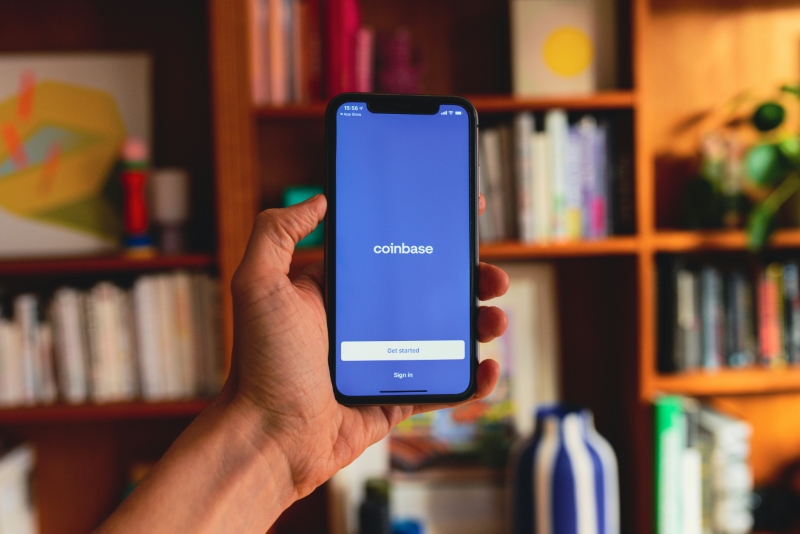
Centralized exchange risks: While platforms like Coinbase and Binance offer simple staking, they hold custody of your coins. A highlighted case in 2025 showed a $283 million compensation following a market crash triggered by token price depegging, revealing serious technical vulnerabilities within centralized platforms[1].
Regulatory uncertainty: The legal landscape is evolving. The US SEC has recently clarified that certain "liquid staking" services don’t count as securities under federal law, a major step toward safer, regulated staking[6][7][8][9].
? What Crypto Staking Means for the Market in 2025 and Beyond

Staking isn’t just about individual returns; it’s transforming the crypto market dynamics fundamentally:
Reduced circulating supply: With large portions of coins staked and locked, market liquidity drops, potentially increasing price volatility.
Network security and decentralization: More stakers mean stronger network security. Vitalik Buterin emphasizes solo stakers’ importance for Ethereum 2.0’s decentralized integrity[3].
Institutional adoption: As staking infrastructure matures, institutional players now build compliant staking strategies under regulatory frameworks like the EU’s MiCA and Singapore’s permissive approach, reducing systemic risk and promoting market confidence[5].
Risks of systemic glitches: Automated processes and oracles can fail, causing dramatic price swings or even asset depeg events, as seen in October 2025 with stablecoins like USDe temporarily plunging from $1 to $0.65[1][4].
? Practical Security Tips for Crypto Staking: Protect Your Assets Like a Pro

Here’s how to hedge your bets and minimize risk while staking:
Diversify Validators: Don’t put all your eggs in one basket. Use multiple reliable validators or staking pools to avoid penalties if one misbehaves.
Assess project credibility: High APYs can be seductive but often signal unsustainable or risky projects. Look for established platforms with transparent operations.
Mind lock-up periods: Know the withdrawal timelines for your staked assets. Some require weeks or months, limiting rapid access to your funds during turbulent markets.
Stay updated on regulations: Follow regulatory developments relevant to staking. Compliance reduces legal risk and may increase platform trustworthiness.
Use trusted custody solutions: For institutional or high-value staking, consider custody platforms that integrate staking with MPC (Multi-Party Computation), offering secure key management and audit trails[5].
Monitor staking rewards and losses: Keep an eye on performance and any slashing events. React swiftly to validator issues or network changes.
? My Personal Take as a Crypto Analyst
Staking is like planting a tree-over time, it bears fruit, but you have to choose the right soil and weather the storms. Crypto staking offers a compelling way to earn passive income while enhancing blockchain security. Yet, the complexity and risks are often underestimated by casual investors. In my view, education on the nuances, careful selection of validators, and diversification can turn staking from a gamble into a sustainable investment practice.
Moreover, the regulatory clarifications from bodies like the SEC provide a cautiously optimistic signal - staking is maturing, becoming safer and more mainstream. However, with growing institutional involvement, the key challenge remains balancing decentralization with compliance and operational security.
So tell me, after hearing all this - are you ready to stake your claim in the crypto world, or will you wait on the sidelines watching the next wave?
Explore more about crypto staking, staking security, and staking risks to deepen your understanding and make informed decisions!
Sources:
[1] https://www.gate.com/crypto-wiki/article/what-are-the-biggest-security-risks-in-cryptocurrency-trading-in-2025
[2] https://www.bitpanda.com/en/academy/what-you-need-to-know-about-staking
[3] https://coin.space/ethereum-staking-in-2025-yields-risks-and-best-practices/
[4] https://bpi.com/stablecoin-risks-some-warning-bells/
[5] https://www.chainup.com/blog/is-staking-still-profitable-2025/
[6] https://www.dentonscrypto.com/the-sec-issues-statement-on-certain-liquid-staking-activities/
[7] https://www.jonesday.com/en/insights/2025/06/crypto-staking-sec-staff-clarifies-nonsecurity-status-for-certain-protocol-activities
[8] https://www.sec.gov/newsroom/press-releases/2025-104-securities-exchange-commission-division-corporation-finance-issues-staff-statement-certain-liquid
[9] https://www.fintechanddigitalassets.com/2025/08/sec-staff-clarifies-that-liquid-staking-activities-do-not-implicate-us-federal-securities-laws/