
Crypto Tax Clarity Is Finally Dawning - But Don’t Relax Yet
If you’ve been swimming in the turbulent waters of cryptocurrency, you’ve probably felt the IRS breathing down your neck lately. With crypto tax clarity emerging as global policies evolve, investors and traders alike are scrambling to keep up, right? Taxes on your favorite coins aren’t just murky anymore; the clearing fog is revealing new rules, updated reporting requirements, and evolving international standards that could make or break your portfolio’s after-tax returns. Buckle up - this ride’s got charts, data, and some juicy insider takes you won’t get scrolling Twitter.
Key Takeaways
- Starting 2025, centralized crypto brokers globally will report your crypto transactions on new IRS-like forms, upping compliance and tracking.
- Long-term vs. short-term crypto capital gains now influence your tax bill with big swings (0-37%).
- Some crypto havens like Switzerland and Singapore keep tempting whales hungry for tax relief.
- Market mechanics like BTC dominance cycles, ADX movements, and liquidation cascades keep shaking crypto valuations - which impacts realized gains and tax strategies.
- You’ve got to get your accounting tight, or you risk getting whacked by the IRS or other tax authorities.
Subscribe to our Social Media for Exclusive Crypto News and Insights 24/7!
? Why 2025 Is the Game-Changer for Crypto Taxes
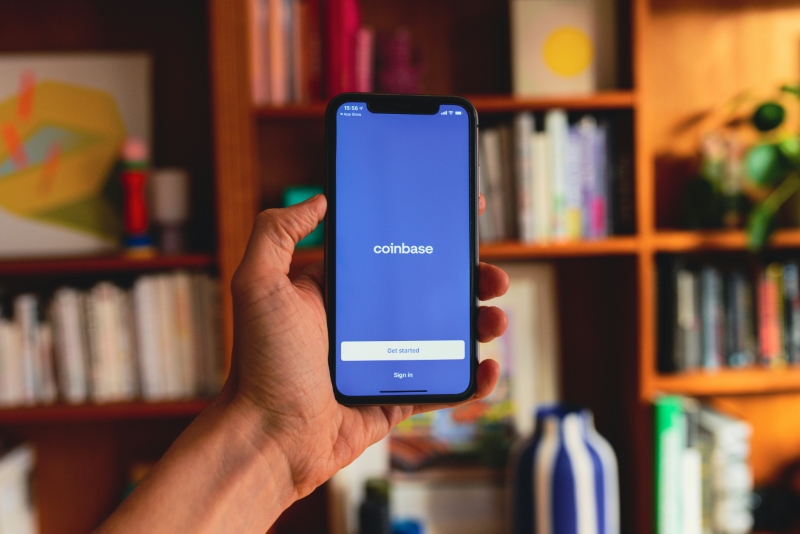
Honestly, the IRS and many global tax authorities are finally waking up to crypto’s runaway train. Starting in 2025, crypto brokers-including your friendly neighborhood Coinbase or Binance-are handing over your transaction sails to tax authorities via a new Form 1099-DA. This form details every sale and exchange, giving tax collectors a clear view into your crypto comings and goings[3][5]. And if you thought you could keep it off the books by juggling wallets? Think again. The IRS demands wallet-by-wallet cost basis accounting now - no more lumping everything into one pot like we’d’ve expected before[3].
This means if you’ve been casually swapping tokens or moving stuff between wallets, you better get your records squeaky clean. A mismatch could mean penalties or audits. A trader I spoke to said this looked eerily like 2021’s blow-off top-where many got blindsided by shifting tax obligations and panicked sell-offs.
? Global Shake-Ups: Where to Park Those Gains?
If you’re feeling taxed to death, you might want to eyeball some crypto tax haven countries. Switzerland tops the list-crypto-friendly cantons offer federal tax breaks on capital gains, wealth taxes weighted by assets, and specialized regimes to cut your bill[1]. Singapore ranks high too - no capital gains tax and a stable financial system that cocoons crypto investors with less scrutiny and more flexibility. Other countries like Portugal and Malta are also making headlines for crypto-friendly policies amid evolving global standards.
Here’s a quick peek at why that matters: Imagine holding ETH through a brutal 2022 crash - your gains might look shredded on paper but