
When Wall Street Met Crypto: The Institutional Wave That’s Changing the Game
If you thought crypto’s wild ride was all about retail hype and moonshot memes, think again. In 2025, the narrative is clear: Crypto’s institutional revolution, fueled by fresh regulations, the rise of ETFs, and sweeping macro trends, is forging a new era for digital assets - and it’s not just hype, it’s hard data backing a seismic shift. Institutions aren’t dipping toes here; they’re diving cannonball style. Whether you’re a seasoned trader or just crypto-curious, understanding this tectonic movement lets you surf, not wipe out.
Key Takeaways
- Over 85% of institutional players now have exposure or plans to allocate into crypto in 2025, with most committing 5% or more of assets under management (AUM).
- Regulatory clarity and the rollout of crypto ETFs have eased the biggest barriers to institutional adoption, unlocking $60+ billion of inflows this year alone.
- Market mechanics like Bitcoin dominance cycles, ADX momentum shifts, and liquidation cascades remain crucial for timing - but institutional players bring a new level of sophistication to these dynamics.
- DeFi, tokenization, and stablecoins are not just buzzwords; institutions are actively diversifying beyond BTC and ETH into these higher-utilization realms.
- Historical echoes of 2021’s blow-off tops remind us that while the market matures, volatility still bites - but smarter plays breed smarter profits.
Subscribe to our Social Media for Exclusive Crypto News and Insights 24/7!
Let’s unpack this progressive crypto universe and see why you should care.
? Institutions Are All In - But Why Now?
Back in the day, “institutional investor” and “crypto” seemed like oil and water. Institutions dreaded wildfire volatility, regulatory fog, and the raw tech complexity. Fast-forward to 2025 and the landscape couldn’t be more different. According to a recent Coinbase and EY-Parthenon survey, 86% of institutional managers either have exposure or are prepping to allocate significant chunks - most above 5% AUM - into digital assets this year[1][3]. Let that sink in.
Why the sudden change? Three juicy reasons:
- Regulatory Clarity: Governments, especially the U.S., have moved from crypto-skeptic to cautious enabler, rolling out clearer rules and legal frameworks. This shift bypasses years of “crypto-is-wild-west” stigma and provides a safer playground for big money.
- ETFs and Crypto Products: The launch of ETFs (exchange-traded funds) for Bitcoin and Ethereum - think: familiar tools wrapped around crypto assets - has opened floodgates. Institutions love ETFs for liquidity, transparency, and ease of access. Suddenly, crypto is not some mystery boxed outside traditional markets.
- Macro Environment: Inflation anxieties, geopolitical tremors, and a global appetite for diversification have crypto sounding louder as "digital gold" or alternative store-of-value. Plus, markets are hungry for assets boasting quick settlements and decentralized trust.
One trader I chatted with recently said, “You’ve seen this before, right? BTC teasing breakout then faking out in 2021. But this time’s different. The whales ain’t sleeping, fam. They’re rotating, and ETFs are the new game changer.”
? Market Mechanics: Reading the Pulse of Crypto Giants

Crypto markets might feel chaotic, but they’re no random roulette if you know where to look. Understanding dominance cycles, ADX trends, and liquidation cascades isn’t just for chart nerds - it’s survival skill.
- BTC Dominance Cycles: Bitcoin remains the crypto heavyweight, oscillating in dominance. When BTC dominance dips, altcoins often ride the wave, and institutions hedge differently. In early 2025, BTC dominance slipped from 43% to 39%, signaling growing altcoin confidence fueled by institutions broadening portfolios beyond Bitcoin and Ethereum[1][3].
- ADX Movements: Average Directional Index (ADX) tracks trend strength. Surges above 25 usually indicate strong, sustained moves. March 2025 saw ETH’s ADX spike alongside ETF launches, hinting institutional momentum surging behind the scenes.
- Liquidation Cascades: You remember 2022’s brutal cascade when leveraged longs got squeezed? This year’s increased liquidity and institutional risk management have dampened those wild swings, but when they happen, expect sharp, fast corrections. Imagine holding SOL through that crash-owning pain to own gains later. Institutions use those shakeouts to buy in at discounts, playing the long crypto game.
Here’s a fun micro-story: "Back in 2022, I held ADA through a 60% dump. It was brutal. But that taught me one thing - volatile markets test your nerves and your thesis. Today’s institutions have the tech and brains to withstand these storms better. That’s why their entrance matters."
? Beyond Bitcoin: The Rise of DeFi, Stablecoins & Tokenization
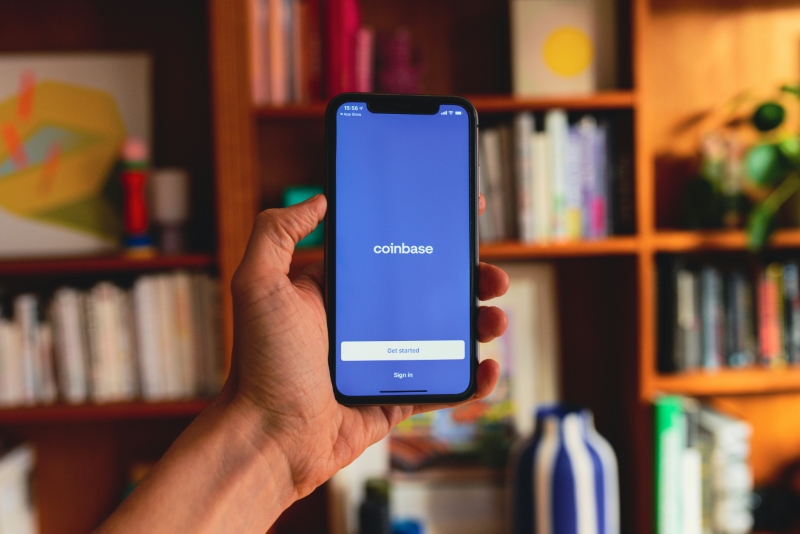
Look, BTC and ETH stole the spotlight early on - but in 2025, institutions aren’t just holding big names. 73% of investors now hold altcoins or are ramping up DeFi exposure, with DeFi adoption tripling from 24% to 75% in just two years[1]. Why?
- Stablecoins are becoming essential, not optional. With 84% of institutions using stablecoins for yield generation and streamlining forex conversions, stablecoins have flipped from an obscure “crypto thing” to core financial tools.
- Tokenized Assets: Real estate, private equity, and commodities are being tokenized - fractional ownership via blockchain. A third of surveyed institutions are already eyeing or investing in tokenized assets, merging traditional finance with crypto efficiency.
- These trends package the dream of faster settlement, democratization of access, and transactional convenience, making blockchain less of a niche daredevil project and more of an integral financial infrastructure[3].
? Macro Trends and What’s Next?
Regulatory updates are a double-edged sword. 57% of investors see regulatory clarity as growth fuel but 52% fret over uncertainty. It’s a balancing act but the tide is turning firmly positive. The arrival of more advanced, institution-grade crypto trading bots and AI-driven analytics means smarter entry and exit, reducing FOMO-led blow-ups.
Check out the live data from CoinMarketCap and TradingView - BTC and ETH remain dominant, but look closely, and the undercurrents of volume shifts and open interest spikes in DeFi tokens tell a richer story. Institutions are diversifying, hedging, and hunting alpha in corners once hidden.
Personally? I think 2025’s institutional embrace is crypto’s “growing pains turned growth spurt." Wild price moves will still hit, but with the whales, ETFs, and regulators holding the leash tighter, the market’s less a rodeo and more a calculated bull run.
So next time ETH swan-dives into support or BTC flirts with new ATHs, ask yourself - is it retail panic or institutional rotation? The whales? They’re playing chess while the rest hustle checkers.
Check out more on how crypto’s institutional wave is shaping future strategies at:
cryptocurrency institutional investment
crypto ETFs impact
DeFi institutional trends
- https://amplyfi.com/blog/how-institutional-investment-trends-are-reshaping-market-intelligence-in-2025/
- https://cryptorobotics.ai/news/news-report/institutional-investment-in-crypto-2025/
- https://www.ey.com/content/dam/ey-unified-site/ey-com/en-us/insights/financial-services/documents/ey-growing-enthusiasm-propels-digital-assets-into-the-mainstream.pdf
- https://www.perplexity.ai/discover/top/bitcoin-hits-all-time-high-nea-NIFNuqPMRaSxgddjlnlZtQ
- https://www.callan.com/blog-archive/digital-assets-2025/