
Can Crypto Really Fuel Terrorism? Understanding Boko Haram’s Digital Money Trail
When you hear “cryptocurrency,” what pops up first? Maybe visions of tech innovation, financial freedom, or, if you’re skeptical, shady dealings. But lately, a darker side has emerged-crypto’s role in enabling terror groups like Boko Haram to expand their reach across borders. This trend is alarming, especially considering Nigeria’s booming crypto market and the sophisticated use of digital finance by this jihadist group. So, what’s really going on here? Let’s unpack Boko Haram’s crypto playbook, what it means for the crypto market, and how investors should watch this space carefully.
Key Takeaways:
- Boko Haram is increasingly using cryptocurrencies alongside mobile money and fintech platforms for financing terrorism.
- Nigeria’s large crypto adoption and weak regulatory oversight create a fertile ground for illicit crypto flow.
- Despite crypto’s transparency, insurgent groups exploit privacy-focused coins and decentralized platforms that evade detection.
- The crypto industry’s reputation and future hinge on collaborative efforts to curb misuse without stifling innovation.
- Investors need awareness and caution when engaging in emerging markets vulnerable to these dynamics.
Subscribe to our Social Media for Exclusive Crypto News and Insights 24/7!
? How Boko Haram’s Crypto Use Redefines Terrorist Financing ?
Boko Haram’s pivot to digital finance isn’t just a random choice; it’s a strategic evolution. According to a detailed study by counterterrorism analyst Oge Samuel Okonkwo, Boko Haram leverages decentralized peer-to-peer (P2P) crypto platforms in Nigeria to sustain and expand its operations, primarily funding weapons, logistics, and propaganda[1][3]. This shift mirrors a larger trend across insurgent groups globally who now hide behind the veil of cryptocurrencies to move funds anonymously and efficiently.
Nigeria’s crypto adoption is huge; about a third of its 200 million citizens use some digital currency, often for daily transactions like paying bills or buying airtime[3]. The government’s 2021 banking ban on crypto transactions pushed crypto dealings offline into P2P trades, mobile money, and fintech solutions that lack robust KYC (Know Your Customer) checks[1]. These gaps provide Boko Haram and similar groups with a financial loophole.
Moreover, Boko Haram exploits Point-of-Sale (POS) systems and mobile money agents connected to their network to funnel illicit cash. The Nigerian Financial Intelligence Unit found links between these agents and terrorist financing schemes, illustrating how deeply these digital tools are embedded into terrorist logistics[1]. This complex web of crypto and fintech-supported funding challenges traditional counterterrorism finance methods.
?️️ What Does This Mean for the Crypto Market? A Double-Edged Sword ️
Crypto’s core strength-decentralization and anonymity-can also be its Achilles’ heel. Terrorist financing via crypto does not happen at massive scales compared to overall market volumes, but even small amounts can have deadly consequences[4]. Boko Haram’s use shows how illicit actors adapt quickly, leveraging crypto’s decentralized nature to overcome conventional banking limits perceived as barriers.
From a market perspective, this phenomenon:
- Raises regulatory concerns: Countries and regulators will likely push for tighter AML (Anti-Money Laundering) and KYC measures, especially in crypto-friendly regions like Nigeria.
- Puts more focus on privacy coins: Cryptocurrencies like Monero, prized for their untraceable transactions, are favored among terror financiers, which triggers controversy and calls for bans or restrictions[5].
- Challenges crypto’s reputation: Legitimate crypto innovation risks being overshadowed by its misuse for nefarious purposes.
- Creates opportunities for blockchain analytics: Private firms and governments are investing in stronger blockchain forensics to detect illicit flows and freeze assets linked to terror financing[4].
The reality is, crypto is neither inherently good nor evil-it is a tool. The Boko Haram case underscores how easily emerging financial tech can be weaponized in fragile environments when vigilance and regulation lag behind innovation.
? Personal Insights: What Should Investors Watch For? ?
Imagine we’re chatting over coffee. You ask, “Should I be worried as an investor in crypto given Boko Haram’s use of it?” My answer leans toward cautious optimism, with these points in mind:
- Stay informed about regulatory changes: Increased scrutiny is inevitable. Markets with lax crypto regulations could see closures or sanctions, affecting liquidity and trading volumes.
- Support projects with strong compliance: Favor coins and platforms that prioritize transparency, compliance, and partnership with law enforcement against illicit activities.
- Don’t overlook emerging market risks: Nigeria’s crypto popularity is thriving, but political instability and terror financing risks could introduce volatility in local and regional markets.
- Value blockchain analytics breakthroughs: Technologies that track illicit transfers and help disrupt malign networks add legitimacy and safety to crypto investors.
- Maintain a balanced perspective: Crypto’s misuse by Boko Haram is real but does not define the entire ecosystem, which continues to empower financial inclusion and innovation worldwide.
? Practical Tips: How Crypto Stakeholders Can Help Mitigate Terror Financing Risks ?️
- Educate users and operators: Raising awareness about safe crypto practices helps reduce unwitting facilitation of illicit transfers.
- Adopt enhanced KYC/AML measures: Especially for P2P exchanges and mobile money services in high-risk regions like Nigeria.
- Collaborate with law enforcement and analytics firms: Leveraging blockchain transparency is key in tracing terror-related financial flows.
- Support development of privacy-respecting yet compliant protocols: Finding a balance between user privacy and regulations can prevent terrorist exploitation without killing innovation.
- Encourage governments to refine digital currency policies: Clear guidelines on digital currency use can curb illicit activities while fostering legitimate crypto growth.
? Final Thought: Is Crypto’s Future Tied to How We Tackle Its Terror Misuse?
The shadow that Boko Haram casts over crypto markets forces us to confront a tough truth: any new tech will attract bad actors, but the real test is how the global community responds. Can crypto remain a beacon of financial freedom while shutting out those who wish to exploit it for violence? It’s a question that demands innovation, regulation, and above all, constant vigilance. As investors and enthusiasts, how do we balance the thrill of crypto’s promise with the responsibility to safeguard its future?
Key Phrases:
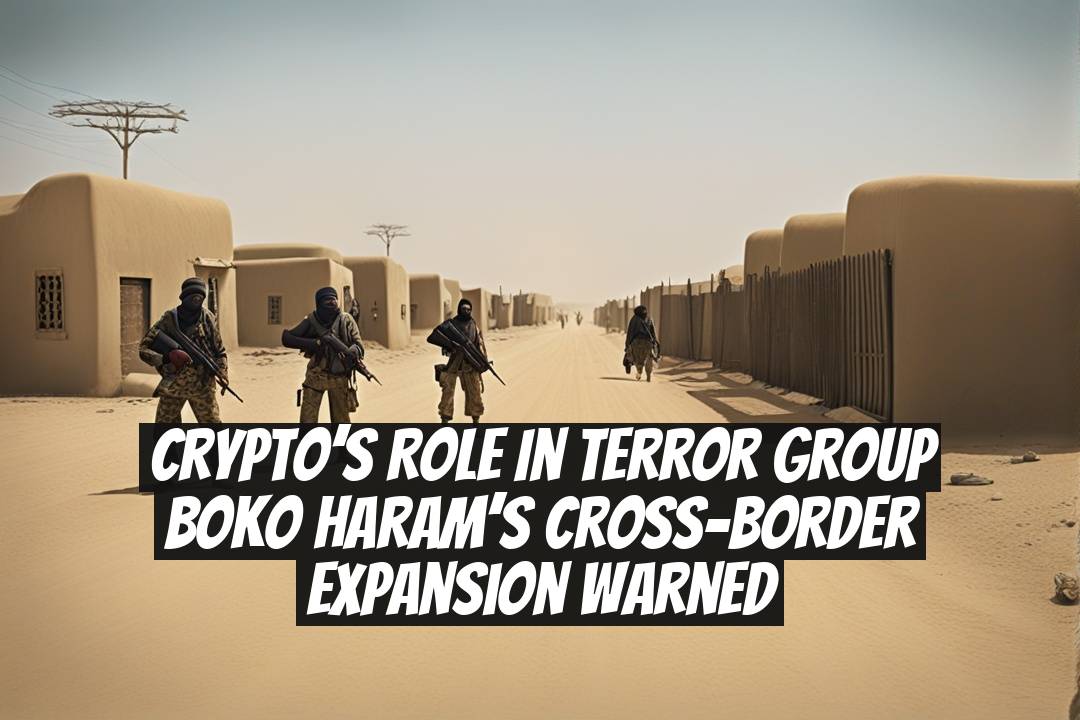
Crypto’s Role in Terror Group Boko Haram’s Cross-Border Expansion Warned
Boko Haram financing with cryptocurrencies
Cryptocurrency terrorism financing Nigeria
Sources:
- https://gnet-research.org/2025/05/30/inside-boko-harams-wallet-digital-pathways-to-terrorist-financing-in-nigeria/
- https://www.rand.org/content/dam/rand/pubs/research_reports/RR3000/RR3026/RAND_RR3026.pdf
- https://adf-magazine.com/2025/06/boko-haram-uses-cryptocurrency-to-finance-terrorism-secretly/
- https://www.chainalysis.com/blog/cryptocurrency-terrorism-financing-accuracy-check/
- https://humanglemedia.com/the-evasive-fundsustaining-boko-haram-iswap-in-nigeria/






