
Will Unified Global Regulation Be the Crypto Market’s Game Changer?
Cryptocurrency has always thrived on decentralization and borderless innovation. But now, the calls from experts for intergovernmental cooperation to regulate the crypto industry are louder than ever. What does this mean for investors, traders, and the blockchain ecosystem? As a crypto analyst over a friendly coffee chat, let’s unpack these recent developments and what they truly imply for the future of digital assets.
Key Takeaways ?
Experts and governments worldwide are pushing for stronger collaborative frameworks to regulate cryptocurrencies, aiming to address risks like money laundering, consumer protection, and financial stability.
The U.S. administration’s latest executive orders have formed a specialized inter-agency task force to recommend federal guidelines on digital assets, signaling a shift toward more structured oversight.
Regulatory clarity could boost mainstream adoption and investor confidence, but poses challenges for innovation and market dynamics.
- Understanding these changes helps investors make smarter decisions while navigating the evolving crypto landscape.
Subscribe to our Social Media for Exclusive Crypto News and Insights 24/7!
?️ What’s Behind the Calls for Intergovernmental Cooperation?

Because cryptocurrencies operate globally, unilateral regulation by one country often falls short. Challenges such as money laundering, terrorism financing, and consumer risks cross borders easily, highlighting the need for a coordinated approach among nations. The recent push for intergovernmental cooperation stems from this reality: no single regulator can effectively police the entire crypto ecosystem alone[2].
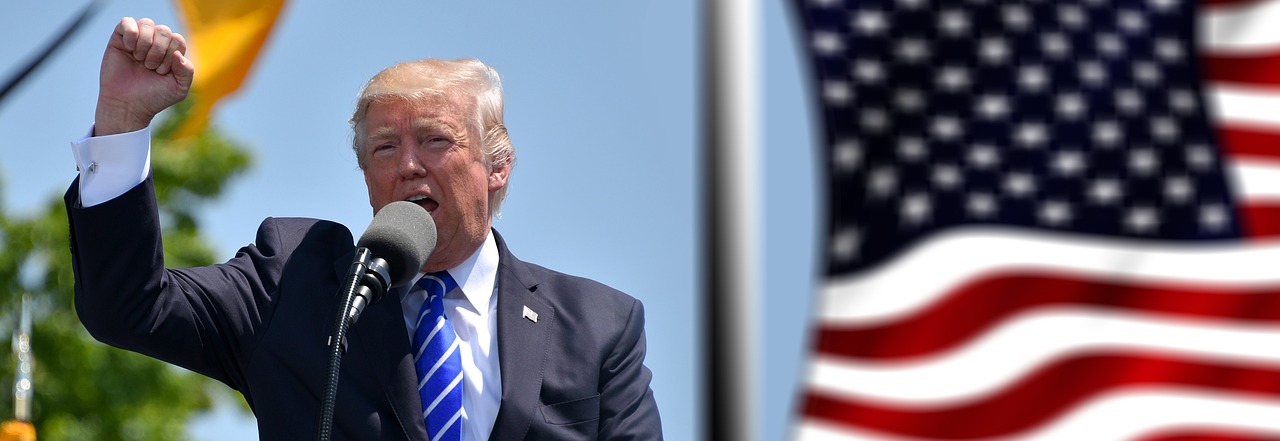
In January 2025, President Trump’s administration took a significant step forward by issuing an Executive Order establishing the President’s Working Group on Digital Asset Markets. This group, chaired by crypto and AI expert David Sacks, was tasked with reviewing all existing digital asset regulations and delivering recommendations within specified timelines. Their goal? To propose a comprehensive federal regulatory framework for digital assets, including stablecoins (those crypto-pegged to fiat currencies)[1].
Meanwhile, banking regulators like the Office of the Comptroller of the Currency (OCC) are signaling new openness to banks participating in cryptocurrency activities, such as crypto custody and stablecoin reserve holdings, while emphasizing the importance of sound risk management[3]. This blend of supportive regulation paired with risk mitigation showcases the balance governments hope to strike.
? What Does This Mean for the Crypto Market and Investors?

Increased Regulatory Clarity and Stability
The formation of clear regulations fosters an environment where institutional investors and traditional financial players feel safer about entering the space. The uncertainty that once kept big players at bay may finally start to diminish[1][5].Consumer Protection and Fraud Prevention
Stronger intergovernmental rules mean better safeguards for retail investors. Enhanced anti-money laundering (AML) and know-your-customer (KYC) requirements could reduce scams and illicit activities, making the market more trustworthy[2].Impact on Innovation
While tougher regulations can be seen as burdensome, they can also encourage innovation by setting clear guidelines. Entrepreneurs and developers can build new products with the confidence that they operate within accepted legal frameworks. However, overly stringent regulations might stifle smaller startups or restrict decentralized finance (DeFi) growth if not designed carefully[5].- Market Volatility and Transitional Challenges
Regulatory shifts often come with initial volatility - investors might experience short-term uncertainty while markets adjust. But once standards stabilize, long-term growth opportunities emerge.
? Deep Dive: What Experts Are Saying

Across think tanks, government bodies, and crypto industry groups, there’s consensus on the urgent need to collaborate internationally. The lack of harmonized rules has allowed bad actors to exploit loopholes, impacting global financial stability.
The OECD and industry panels stress that consumer protection, market integrity, and financial crime prevention must be the cornerstones of any regulatory regime. Yet, they also caution that regulators must work alongside blockchain stakeholders to develop flexible frameworks that don’t crush innovation[4].
In the U.S., the contrast between Trump’s administration’s more “hands-off” innovation-friendly stance and earlier cautious approaches reflects a broader global debate on how tightly or loosely crypto should be regulated[5].
? Practical Tips for Investors Navigating the Regulatory Landscape
Stay Informed: Keep a close eye on updates from bodies like the SEC, OCC, and inter-agency task forces. These announcements signal shifts in regulatory climate that can affect asset performance.
Diversify: Regulatory changes rarely impact all crypto assets uniformly. Maintain a diversified portfolio to hedge against sector-specific risks.
Prioritize Security and Compliance: Use exchanges and wallets that comply with AML/KYC standards to protect investments from fraud and regulatory crackdowns.
- Engage with Community and Experts: Follow trusted crypto analysts and participate in discussions on platforms aligned with community standards to gain various perspectives.
️ Personal Insights from a Crypto Analyst
As someone who has followed crypto from its chaotic early days to the dawn of institutional participation, I see intergovernmental cooperation on regulation not as a threat but as a necessary evolution. Yes, the notion of global regulators working together might send shivers down the spine of crypto purists who cherish decentralization. But for the market to mature and achieve its potential as a mainstream asset class, sensible guardrails are essential.
There’s an excitement in knowing that in the next 5 years, we could be witnessing a robust global framework that encourages responsible innovation. That said, regulators, stakeholders, and investors must remain vigilant to ensure rules do not inadvertently concentrate power back into centralized systems-after all, crypto’s spirit is about empowerment and decentralization.
In this light, cooperation is less about control and more about crafting a foundation where trust, security, and growth coexist.
? Closing Thought
As we stand on the brink of regulatory metamorphosis, I leave you with this: Can a globally unified regulatory approach truly harmonize innovation and protection, or will it redefine the soul of crypto forever?
Intergovernmental Cooperation to Regulate Crypto Industry
Crypto Industry Regulation
Crypto Market Regulation
Sources:
- https://www.moneylaunderingnews.com/2025/03/recent-developments-raise-significant-questions-about-the-future-of-regulation-and-enforcement-of-cryptocurrency/
- https://www.fdic.gov/system/files/2024-06/2020-request-for-info-standard-setting-3064-za18-c-031.pdf
- https://www.lw.com/en/us-crypto-policy-tracker/regulatory-developments
- https://www.oecd.org/content/dam/oecd/en/publications/reports/2020/02/the-digitalisation-of-science-technology-and-innovation_fe2855a5/b9e4a2c0-en.pdf
- https://sumsub.com/blog/crypto-regulations-in-the-us-a-complete-guide/