

When Titans Take the Stage: Gemini & Coinbase Eye IPOs as Crypto Exchanges Evolve
Alright, picture this: Amid the wild swings and sizzling buzz of the crypto world, two heavyweights - Gemini and Coinbase - are gearing up for IPOs, signaling a new chapter in how US-based crypto exchanges diversify their game. This move isn’t just about going public; it’s a spotlight on market maturation, regulatory navigation, and the bets exchanges are placing on future liquidity and innovation. If you’ve been tracking the crypto rollercoaster, you’ll want to lean in - because these IPO plays carry some serious market-mechanics muscle and reveal some eyebrow-raising financial acrobatics[1][2].
Key Takeaways
- Gemini filed confidentially for a Nasdaq IPO under ticker GEMI, despite a jaw-dropping 656% jump in net losses in H1 2025 (to $282.5M).
- Coinbase, already public since April 2021, is pushing further diversification amid regulatory noise and market pressures.
- A $75M credit line from Ripple’s RLUSD stablecoin highlights Gemini’s shout-out to innovation and liquidity flexibility.
- Real talk: Both exchanges are battling operational losses and shifting regulatory sands while trying to stay lead dogs in a competitive and volatile market.
- Market insights reveal dominance cycles, liquidation cascades, and on-chain activity that paint a vivid picture of why these IPOs matter-not just financially, but structurally.
Subscribe to our Social Media for Exclusive Crypto News and Insights 24/7!
? Gemini’s Bold IPO: Losing Billions but Playing the Long Game
So Gemini’s story is a head-spinner. The Winklevoss twins’ baby isn’t rolling in dough the way you’d expect before going public - in fact, losses surged from $41.4 million in H1 2024 to an eye-popping $282.5 million in H1 2025[1][2]. That’s a 656% jump. Oof. But here’s the kicker: the IPO filing reveals Gemini’s strategic pivot - splitting operations between Gemini Trust in New York and Moonbase in Florida, a restructuring play aimed at optimizing regulatory footing and operational agility[1][4].
Why would investors buy into a losing company? Because growth and market positioning often trump short-term wins in crypto land. They generate 66% of revenue from transaction fees on $18 billion assets, and have over half a million active monthly users plus impressive institutional clientele.
Plus, the $75 million credit facility with Ripple - allowing borrowing in RLUSD stablecoin - hints Gemini’s doubling down on liquidity innovation and embracing decentralized finance’s toolkit to boost cash flow ahead of IPO[3]. A trader I chatted with noted, "This looks eerily like 2021’s blow-off top, where innovation and debt played hand-in-hand on the way up." Makes you wonder if Gemini’s betting on RLUSD to gain traction as they cross the public threshold.
? Coinbase’s IPO Journey: Steady Ship in Choppy Crypto Waters
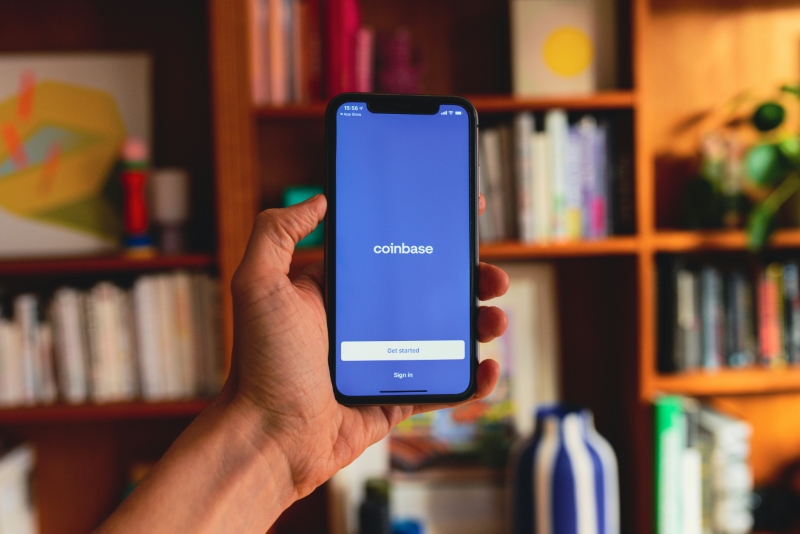
Coinbase? Yeah, these guys have been public since April 2021, but IPOs aren’t always set-it-and-forget-it affairs in crypto markets. With increased SEC scrutiny, volatile BTC dominance swings, and big liquidations - Coinbase’s been actively diversifying into staking, NFTs, and enterprise products[5].
Looking at TradingView charts, BTC dominance induced several ADX spikes throughout 2024-25, creating perfect storm moments for liquidation cascades - those brutal forced sells that make your portfolio sweat. Coinbase’s positioning as an institutional-friendly exchange aims to buffer them from crazy retail volatility; their custody and staking services give them extra revenue lines beyond pure trading fees.
Like one analyst put it, "You’ve seen this before, right? BTC teasing breakout then faking out… Coinbase needs to ride the market cycles smartly, or risk getting caught in the cascading liquidations." Smart strategy or cautious retreat? Either way, they’re shaping their IPO-adjacent activities to handle these swings better.
? Market Mechanics: Why IPOs Matter More Than You Think

Let’s geek out a sec. IPOs aren’t just ticker symbols hitting exchanges - they’re inflection points in dominance cycles and liquidity flows. Take Gemini’s losses explosion: it’s a classic pre-IPO burn, prepping systems and expanding market share even under heavy costs.
Check the on-chain data from CoinMarketCap and TradingView - you see a pattern in BTC dominance (which hovered between 37-45% in 2024-25), coinciding with major altcoin dumps or rallies. During the same time, Gemini and Coinbase’s volumes rose but with wider spreads, indicating more volatile price discovery.
Pair that with ADX (Average Directional Index) surging above 30 whenever these exchanges announced new products or partnerships, you get early signs of strength building - the setup for a blow-off rally or steep correction. Investors who’ve weathered these storms know this all too well - back in 2022, I held ADA through a 60% dump. That brutal lesson cemented my belief: exchanges listing via IPOs during volatile markets are not just about raising capital, they’re about repositioning for the next cycle surge (or crash).
? How Gemini’s RLUSD Line Could Shake Things Up

Now, here’s a spicy nugget. Gemini’s $75M credit line with Ripple’s RLUSD stablecoin is more than a liquidity band-aid - it’s a tactical nudge towards wider stablecoin adoption inside institutional lending.
Why does that matter? Stablecoins tether traditional finance with crypto’s fast lanes. Gemini’s ability to borrow in RLUSD shows Ripple’s influence creeping into exchange liquidity management, potentially setting a new standard for how crypto firms navigate capital constraints without tapping traditional dollars heavily. Ripple’s RLUSD, launched late 2024, might well be the sleeper hit we weren’t watching closely.
? Whales, Waves & What This Means for YOU
The whales ain’t sleeping, fam. They’re shifting gears. Market data tracks massive rotations between BTC, ETH, and stablecoin positions - liquidity flowing in waves right before Gemini’s IPO filing and cointegrations with Ripple’s facility. It’s like the market’s sniffing out what’s next.
If you’re holding altcoins or dabbling in staking on these exchanges, understanding these IPO maneuvers could be your edge. Exchanges going public means tougher scrutiny but also potential for growth capital to filter back into crypto projects, liquidity pools, and new product launches.
Think about how Coinbase’s IPO pushed governance improvements and product diversification over the past 4 years. Gemini’s move feels like a sprint to grab that next wave - even if it means operation losses get ugly for a bit.
Wrapping It Up Without the Buzzword Blabber
Gemini and Coinbase targeting IPOs isn’t just a fancy headline - it’s a full-on market shakeup as U.S. crypto exchanges diversify under pressure from regulators and market forces. Gemini’s losses, Ripple’s RLUSD credit facility, and Coinbase’s strategic pivots tell us exchanges are betting big on being the financial cryptocorrals of tomorrow, not just today.
If you’re an investor or just a market watcher, these moves are a record you don’t wanna skim past. Because in crypto, as you know, the real stories are often in the numbers, the filings, and the subtle market dances behind IPO curtains.
Gemini and Coinbase IPOs FAQ: Get Your Crypto IPO Answers Here
Q1: Why is Gemini going public despite such large losses?
A1: Gemini’s large pre-IPO losses are part of a growth and repositioning strategy - they’re restructuring operations and boosting liquidity to secure long-term market share and innovation, betting on future gains outweighing short-term deficits.
Q2: How does Ripple’s RLUSD credit facility benefit Gemini?
A2: RLUSD helps Gemini access liquidity more flexibly, supporting its IPO prep while promoting stablecoin adoption in institutional lending-potentially lowering dependence on traditional fiat for borrowings.
Q3: What differentiates Coinbase’s IPO journey from Gemini’s?
A3: Coinbase went public earlier (2021) and is focusing on product diversification and institutional services to weather volatility, while Gemini is entering public markets amid a tougher loss phase but with innovative liquidity tools.
Q4: How do dominance cycles and ADX movements impact crypto exchange IPOs?
A4: Dominance cycles reflect shifting market control between BTC and altcoins influencing trading volumes and investor sentiment, while ADX signals trend strength-both are crucial for timing and structuring IPOs around market momentum.
Q5: Should retail investors care about these US exchange IPOs?
A5: Absolutely. These IPOs hint at future market direction, liquidity availability, and regulatory norms, all of which directly affect trading conditions and investment opportunities for both retail and institutional players.
crypto IPO
stablecoin lending
crypto exchange liquidity
- https://www.tradingview.com/news/financemagnates:0aa06096c094b:0-crypto-exchange-gemini-s-losses-explode-580-before-going-public/
- https://coincentral.com/gemini-chooses-ripple-for-credit-facility-in-preparation-for-ipo/
- https://www.crowdfundinsider.com/2025/08/247635-crypto-exchange-geminis-ipo-filing-unveils-financial-struggles-and-strategic-shifts/
- https://www.ainvest.com/news/gemini-files-nasdaq-ipo-sharp-656-rise-net-losses-282-5-million-2508/
- https://www.perplexity.ai/discover/finance/gemini-exchange-files-for-nasd-Ys6SGT6gT5GNrLn84RGBLA






