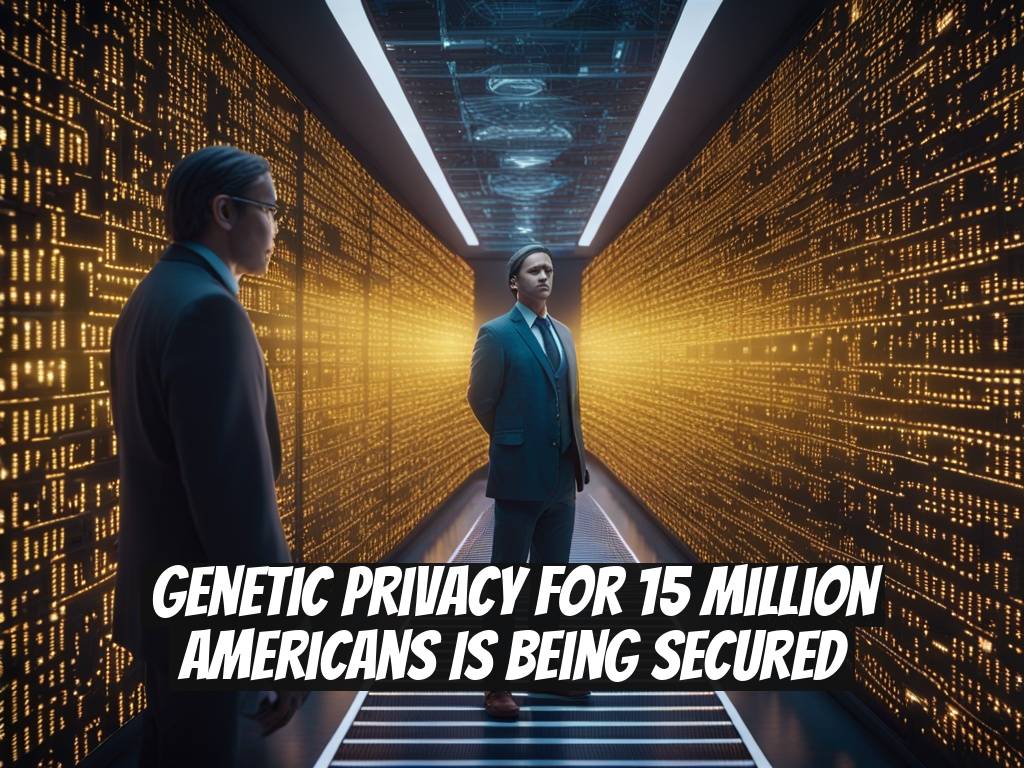
? Could Blockchain Revolutionize Genetic Data Management? 
Ah, blockchain! It’s not just those flashy cryptos like Bitcoin or Ethereum; it’s starting to get its fingers into some rather intriguing pies. And by ‘pies’, I mean our very own genetic data! Seriously, it seems that the Sei Foundation, a non-profit entity focused on blockchain tech, wants to dive into the genomics space by potentially acquiring 23andMe. This move makes you wonder: could blockchain be the key to safeguarding our private genetic information? Let’s unpack this!
Key Takeaways:
- Sei Foundation is exploring acquiring 23andMe to enhance genetic data protection.
- Blockchain can securely encrypt and grant users direct control over their genomic data.
- The proposed strategy could transform how we monetize and manage personal health data.
- Genetic data security is touted as a matter of national security.
Subscribe to our Social Media for Exclusive Crypto News and Insights 24/7!
Now, if you’re scratching your head, let me elaborate a bit further. The Sei Foundation is not just kicking the tires here; they’re asserting that genetic data privacy is a critical issue, especially as 23andMe faces the grim prospects of bankruptcy. Without proper care, sensitive genomic data might wind up in the hands of those motivated solely by profit rather than safeguarding privacy. Talk about a scary thought!
? Is Blockchain Our Best Shot at Protecting Genetic Data?
Imagine your genetic data being tucked away in an impenetrable vault, accessible only to you and the people you choose. That’s what’s on the table with this whole blockchain integration idea. By doing so, the Sei Foundation aims to ensure that your data not only stays secure but is also used transparently.
With blockchain technology, your genetic data could be encrypted and stored in such a way that you maintain control over it. Gone are the days when corporate giants would strip-mine personal data for their own gain. You might even make a little cash on the side from sharing your data with research firms, provided that’s how you want to play it.
Here’s how this could ripple out into the larger crypto market and why it matters, particularly if you’re considering an investment in this burgeoning space:
- Transparency and Trust: In a market riddled with skepticism, especially post-ICO boom, transparency is crucial. By ensuring genetic data is managed responsibly, blockchain can restore trust in tech firms.
- Market Adoption: If Sei manages to pull off this acquisition and proves the concept, we might see a slew of similar projects emerge. The rise of decentralized science (DeSci) could catalyze more investment in similarly structured initiatives.
- User Engagement: Empowering users with ownership and monetization potential could foster a new relationship between tech companies and consumers, making the entire ecosystem more sustainable.
? Practical Tips for Potential Investors

Alright, so you’re in the investment mindset now, yeah? First of all, keep your eyes peeled for updates from the Sei Foundation regarding the proposed acquisition. Here are a few practical tips for diving deeper:
- Do Your Due Diligence: Before putting your money into any project, ensure you understand its business model and the team behind it. A good project doesn’t just appear!
- Stay Updated: Follow developments in the DeSci space. Are there any other startups trying to tackle similar issues? Information is power, especially in the fast-moving crypto space.
- Consider Potential Risks: Remember that while blockchain offers exciting possibilities, regulatory hurdles and technology acceptance could be barriers. Look at how past initiatives have fared, especially in the genomics arena.
- Engage and Discuss: Join forums or communities discussing Sei and DeSci. Conversations with other enthusiasts can provide valuable insights that you might not encounter otherwise.
? My Personal Insights
I must say, it’s quite exciting to see blockchain stepping into such crucial areas. The prospect of having real control over something as personal as our genetic data gives me a warm, fuzzy feeling. I mean, who wouldn’t want to hop on the bandwagon that says, "Hey, your data is YOUR data!"?
It’s also worth noting that if Sei manages to set this precedent, it might influence how other tech companies approach data protection. The implications could well reach beyond just genetics, prompting a re-evaluation of the internet’s ‘surveillance capitalism’ model. Wouldn’t that be something?
A Final Thought
As we stand on the precipice of significant shifts in how data, especially sensitive information, is managed, it invites reflection. Would you feel more secure knowing that your genetic data is stored with privacy and user consent at the forefront? Or are you still unsure about stepping into this brave new world? Let’s chew on that for a second.