
Blockchain’s Big Swing at Fixing Aid’s Trust Problem
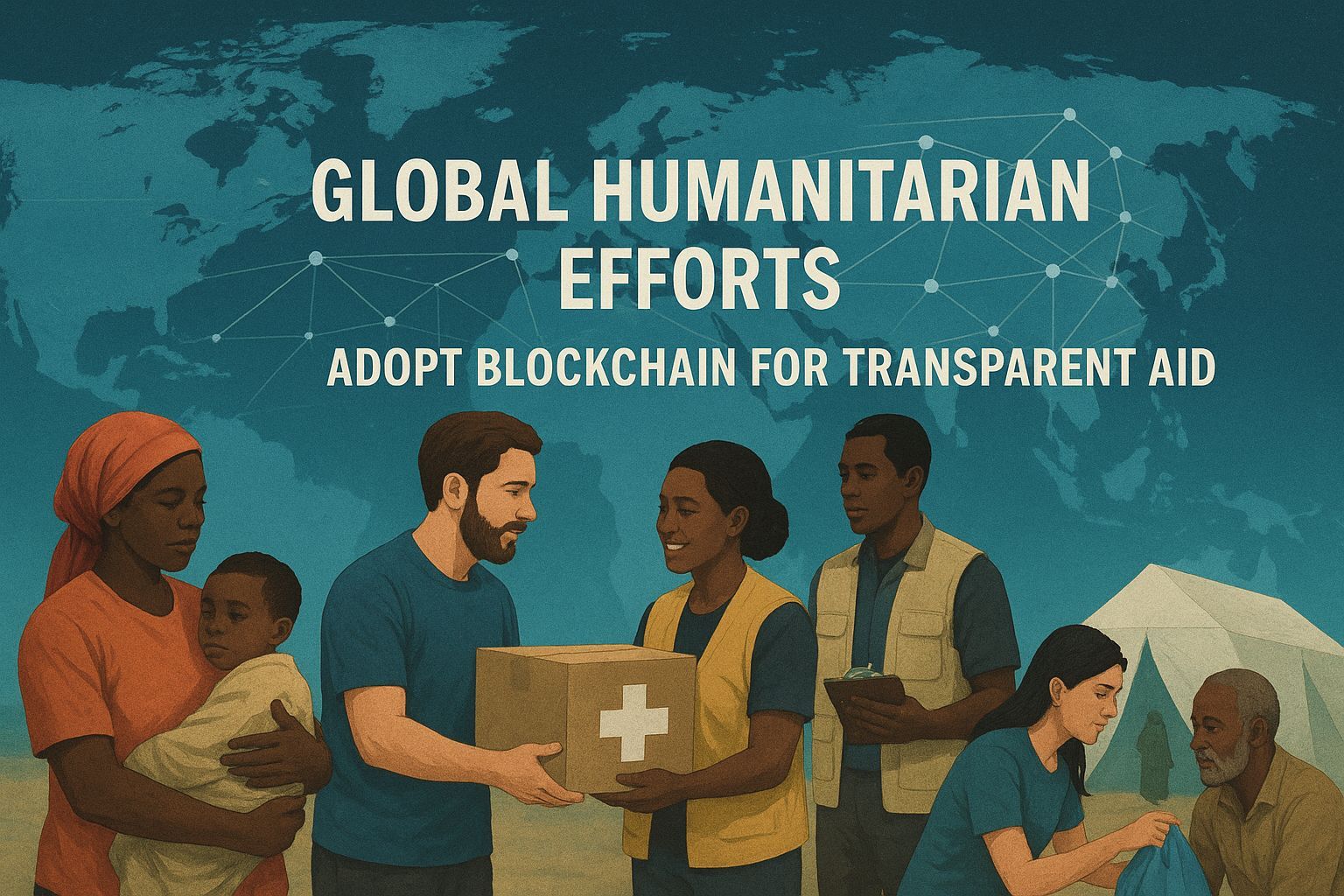
Global humanitarian efforts are adopting blockchain for transparent aid, with heavy hitters like the Red Cross, UN agencies, and WFP rolling out platforms that track every dollar without spilling beneficiary secrets. It’s not hype-it’s real deployments cutting fees and boosting accountability in a $38B mess.[1][2][3]
Key Takeaways
- RedChain on Ethereum: Spanish Red Cross’s new platform uses ERC-20 aid tokens for donor transparency, hashing proofs on-chain while keeping names off it. No biometrics, no surveillance risks.[1][8]
- UNHCR & Circle’s USDC Push: $38B aid sector gets a blockchain upgrade via stablecoins, slashing costs up to 20% with full traceability. Pilots already proved it in Ukraine.[3][4]
- WFP’s Building Blocks: 100K+ transactions, $1M to Syrian refugees, 98% fee drop-iris scans optional, data locked tight.[2][9]
- Mercy Corps Vision: Sector-wide “blockchain for good” to automate cash drops and track carbon credits, dodging legacy banking black holes.[6]
Subscribe to our Social Media for Exclusive Crypto News and Insights 24/7!
You know how aid money vanishes into fees and “administrative costs”? Up to 7% gone, per World Bank vibes-blockchain’s like the unblinking auditor everyone’s been dodging.[4] Picture this: donors refresh a dashboard, see funds turn into groceries in real-time, no middlemen skimming. That’s RedChain in action, cooked up by Billions Network and Bloock on Ethereum. ERC-20 tokens rep aid credits-anonymous holders, cryptographic timestamps on-chain. Full audit trail? Reconstruct it anytime. Off-chain? All the juicy personal deets stay private.[1]
Why Privacy’s the Killer Feature Here

Humanitarians got burned before. UNHCR’s iris scans? WFP’s biometric plays? Critics slammed ’em for profiling risks-turning refugees into data piñatas.[1][2] RedChain flips the script: verification layer only. No IDs on the ledger. “Even well-intentioned projects risk exposing vulnerable populations,” the Red Cross warns. Smart move, right? It’s like giving donors X-ray vision without strip-searching recipients.[1][8]
Over at the UN, Circle Foundation’s dropping grants on DHoTS-their Digital Hub of Treasury Solutions. Elisabeth Carpenter, Circle’s Chief Strategic Engagement Officer, nails it: “Modern humanitarian finance needs modern infrastructure… regulated stablecoins with AI controls can make aid faster, more transparent.”[3] They’re building on UNHCR blockchain pilots that already cut delivery times and costs. Imagine $38B flowing like USDC in Ukraine 2022-displaced folks got paid direct, no bank BS.[4] Barham Salih, UNHCR High Commish, adds the heart: “Using technology to uphold dignity and choice… maximizing every dollar.”[3][4]
Real-World Wins: From Syrian Camps to Davos Deals
WFP’s Building Blocks? Battle-tested. 10,000 Syrian refugees, $1M via 100K transactions. 98% fee slash partnering with Baltic Data Science. Refugees bought goods via iris (optional now), data secured. Agencies spot dupes instantly-unique blockchain accounts per person.[2][9] Success? “Hailed by affected populations,” they say. Scales to disaster zones, no corruption leaks.
Mercy Corps and Danish Red Cross want a “Humanitarian Distributed Platform”-shared ledger for cash, vouchers, even carbon tracking. Automate. Collaborate. Hit Grand Bargain goals amid pandemics and floods. Governance committee needed, they argue. Practical? Hell yeah, if orgs stop siloing.[6]
Good Tokens from KaJ Labs layers in AI too-decentralized infra for aid, education, sustainability. J. King Kasr, their Chief Scientist: “Blockchain and AI create open, accountable systems translating innovation to measurable benefits.”[5] Whales ain’t rotating here-it’s steady builders stacking trust.
The Crypto Angle for You, Investor Fam
No dominance cycles or liquidation cascades in aid ledgers (yet), but Ethereum’s humming under RedChain-ERC-20 proofs anchoring real-world flows. USDC’s the star: regulated, traceable, eating legacy wires alive. Circle’s proof? 20% savings potential, systemic shift.[3][4] You’ve seen stablecoins eat remittance fees-now it’s aid’s turn. Honestly, that 7% “lost” aid? Blockchain’s crowbar, prying it back for impact.
What if your portfolio backed this? Donors get dashboards, recipients get dignity. Sector’s waking up-UN’s seven agencies already in. Skeptical humanitarians? Changing fast.[2] Next crash, remember: while BTC fakes out, aid chains grind on, transparent as glass.
- https://www.biometricupdate.com/202602/billions-launches-blockchain-aid-platform-for-spanish-red-cross
- https://humanitarianadvisorygroup.org/blockchain-for-social-impact-in-aid-and-development/
- https://www.circle.com/pressroom/circle-foundation-and-united-nations-aid-agencies-partner-to-transform-global-aid-delivery-and-transparency
- https://openexo.com/l/71ac5924
- https://www.newsfilecorp.com/release/280025/Good-Tokens-Advances-Transparent-Digital-Infrastructure-for-Social-and-Humanitarian-Use
- https://www.mercycorps.org/research-resources/humanitarian-distributed-platform
- https://www.tradingview.com/news/cryptonews:981d2b617094b:0-red-cross-deploys-blockchain-based-digital-aid-platform/
- https://innovation.wfp.org/project/building-blocks






