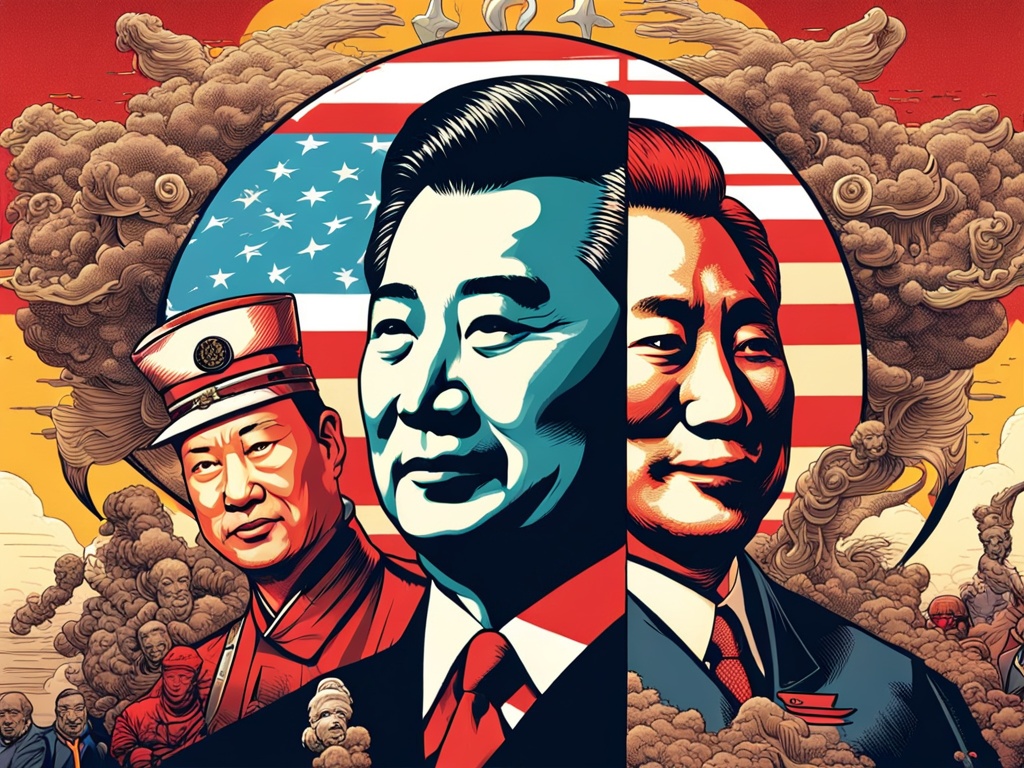
China and the U.S: A Shift in Diplomatic Relations Ahead of New Leadership
In recent discussions between Chinese President Xi Jinping and U.S. President Joe Biden, the dialogue reflected on the state of U.S.-China relations amid upcoming changes in American leadership. This year, both leaders exchanged views on critical global matters, pointing toward the need for a constructive partnership that navigates emerging challenges, particularly with the anticipated policy shifts of the incoming administration.
Significance of the Meeting ?

During their meeting at the Asia-Pacific Economic Cooperation (APEC) summit, Xi stressed the importance of maintaining a stable relationship between China and the U.S. He cited that such stability is not only essential for both nations but vital for the entire world as well. The message was clear: cooperation is key.
Subscribe to our Social Media for Exclusive Crypto News and Insights 24/7!
- Key Points from Xi’s Address:
- Emphasized the need for a collaborative approach between major powers.
- Urged for continued dialogue to prevent misunderstandings and foster mutual respect.
- Highlighted the concept of joint development over isolationist stances.
The discussions held a sense of urgency, reflecting concerns about isolationism and protectionist sentiments that have gained traction, particularly in the U.S.
Focus on Future Relationships ?

While refraining from naming the new president-elect directly, Xi hinted at his worries regarding the potential shifts in U.S. foreign policy under Trump’s leadership. With a history characterized by ups and downs, the conversations aimed to solidify a framework for managing differences ahead of any significant changes in political approaches.
- Xi’s Perspective:
- Stressed the importance of communication and cooperation.
- Recommended a careful consideration of trade and economic policies.
- Advocated for finding common ground despite governance differences.
Biden’s reflections during the meeting were broader, drawing on decades of interaction between the two nations. He emphasized that candid conversations help avert miscalculations that could lead to conflict, highlighting the necessity of maintaining a healthy dialogue.
Urgent Global Topics on the Agenda ?

Both leaders acknowledged the urgent topics requiring attention, including issues surrounding North Korea’s military support to Russia, technology transfer challenges, human rights dialogues, and the contentious question regarding Taiwan’s status.
- Upcoming Challenges:
- North Korea’s military engagement and its implications for regional stability.
- The ongoing support that China provides to Russia amid its conflicts.
- The sensitive issue of technology transfer and trade relations.
As events continue to unfold, there are growing uncertainties regarding the U.S.-China relationship following Trump’s campaign promises, which include significant tariff proposals on Chinese imports.
Shifting Business Dynamics ?
U.S. companies are responding preemptively to the changing political landscape by reevaluating their supply chains. Major brands are diversifying their operations outside of China, reflecting a broader trend of companies seeking to mitigate potential risks associated with future trade policies.
- Examples of Corporate Changes:
- Nike and Warby Parker are redefining their sourcing strategies.
- Steve Madden plans significant reductions in imports from China.
These shifts signal an evolving economic environment influenced by political rhetoric and potential legislative changes.
Concluding Thoughts on Collaboration ?
In the concluding remarks of their meeting, Xi called for “mutual, beneficial cooperation” as the essential path forward. He reinforced that cooperation, rather than division, is necessary for significant global challenges. With the backdrop of a transformative political climate in the U.S., both leaders appear poised to navigate the complexities of their nations’ ties.
- Reflections on Leadership:
- The importance of leaders adapting to new realities.
- A continued commitment to frank discussions and mutual respect.
- Recognizing the broader implications of bilateral relations on global stability.
The outcome of these discussions holds the potential to shape international relations significantly in the coming months, as both countries juggle domestic priorities and global responsibilities. This year could mark a pivotal moment in redefining the long-standing partnership between the U.S. and China.