

Why the Credit Card Titans Are Suddenly Obsessed With Crypto Payments ?
If you’ve been anywhere near the fintech or crypto scenes lately, you’ve probably noticed it: the big credit card companies like Visa, Mastercard, and even JPMorgan are not just dabbling-they’re rewriting the playbook on how crypto moves through payments. This isn’t your garden-variety “crypto is the future” chatter anymore; it’s a full-on integration blitz that’s reshaping how we pay, how businesses settle, and honestly, how crypto flexes its muscle as a mainstream payment method. So, how are these credit card giants reshaping the crypto payments landscape? Buckle up; it’s a wild ride.
Whether you’re trading BTC, holding USDC, or just curious about stablecoins settling at light speed, these moves matter. We’re talking stablecoin settlements, direct crypto payouts, and crypto cards that let you spend your tokens seamlessly. The marriage of legacy finance muscle and blockchain’s transparency is happening right now-and it’s changing the game.
Key Takeaways ?
Subscribe to our Social Media for Exclusive Crypto News and Insights 24/7!
- Mastercard and Visa are embedding stablecoins like USDC into traditional payment rails, making crypto settlements faster and more efficient.
- Major players are launching pilots allowing businesses to pay freelancers and creators directly via stablecoin wallets, cutting out slow cross-border delays.
- Crypto exchanges increasingly support credit card purchases and withdrawals, blending fiat convenience with crypto accessibility.
- Historical market cycles and on-chain analytics signal that this tight coupling of credit cards and crypto payments could accelerate mainstream crypto adoption.
- Experts see this as a “killer app” moment for crypto payments, powering both B2B and consumer use cases worldwide.
? How Mastercard’s Stablecoin Expansion Is Changing the Rules
Take Mastercard’s latest move with Circle, one of the pioneering stablecoin issuers behind USDC. In 2025, Mastercard expanded their partnership to let acquiring banks in EEMEA (that’s Europe, Middle East, and Africa) settle transactions directly in stablecoins like USDC or EURC. Instead of the usual slow, fee-heavy fiat settlement, merchants can now get paid in a blockchain-native, fully regulated digital dollar equivalent[1].
This is huge-and not just a flashy tech flex. It’s about chopping off friction from high-volume commerce in emerging markets and providing liquidity banks can actually use, not just hold. Remember the nightmare of cross-border wire transfers and the days-long waits? Mastercard is straight-up blowing that up here.
Circle’s Chief Business Officer, Kash Razzaghi, put it bluntly, “We’re taking bold steps integrating stablecoins across Mastercard’s network,” and you can bet that trust and compliance are showing up front and center to ease regulatory headaches[1].
Imagine you run a digital marketplace in, say, Nigeria or Ukraine. With stablecoin settlement powered by Mastercard, your payouts to merchants don’t get stuck in local banking jams. They’re instant, fully transparent, and cheaper. Trust me, this sort of innovation doesn’t just nudge the needle-it shoves it forward.
? Visa’s New Pilot: Crypto Payments for Creators and Freelancers
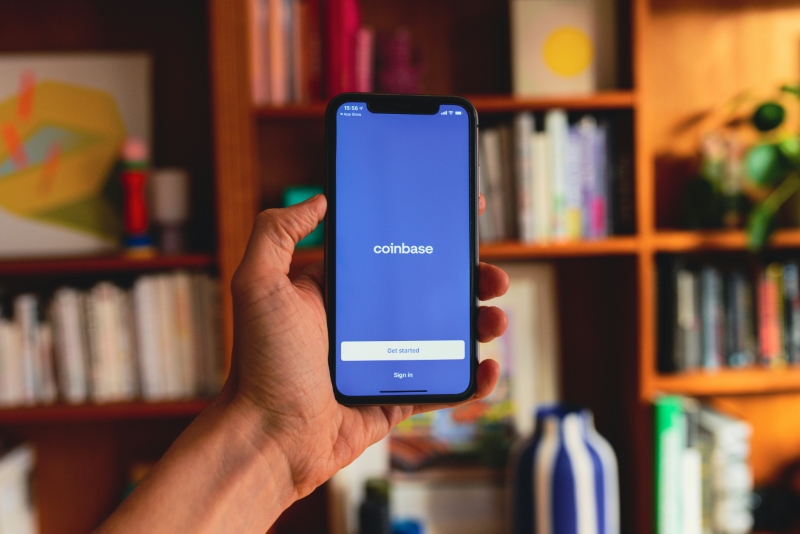
Visa’s not sitting on the sidelines either. Their 2025 pilot program lets companies send payouts directly to creators, freelancers, and other gig economy workers via stablecoin wallets - cutting out bank processing speed and high fees[3]. Officially part of Visa Direct, their real-time cross-border payment platform, adding stablecoins unlocks a transparent, near-instant payment method globally.
Mark Nelsen, Visa’s head of product, called it a game-changer for businesses: “You can just send money to their stablecoin address. Boom. Done.”[3] No more waiting days for wire transfers. No middlemen. No mysterious fees.
From a market mechanics perspective, this is nodding to crypto’s biggest strength-value transfer speed and efficiency. Traditional remittance rails are lagging here, plus volatile FX and inconsistent liquidity. Stablecoins backed by the credit card giants slash that barrier, aligning blockchain’s promise with legacy incumbents’ reach.
? Crypto Exchanges Welcoming Credit Card Payments Like Party Crashers

Alright, so what about you-the investor or trader? You want to buy your BTC fresh off the press, right? Exchanges such as Crypto.com have fully embraced credit card networks (Visa, Mastercard, Amex) to make crypto purchasing as easy as buying socks online[2].
Crypto.com has built a lifestyle ecosystem around their crypto cards offering cashback perks, Spotify/Netflix refunds, and airport lounge access, layered with a DeFi wallet and NFT marketplace[2]. It’s a crypto-meets-mainstream blend that would’ve seemed crazy five years ago.
The fees? Not tiny (usually ~2.99%) but a bargain for the convenience of instant funding. Plus, some new user promos let you slide in fee-free for a while. Best part: some exchanges even let you withdraw crypto profits directly back to your card, turning your digital gold into spendable cash minutes later[2].
? Market Mechanics: What This Means for Crypto Cycles and Liquidity Dynamics

Let’s get a bit nerdy here. Integrating credit cards with blockchain settlements isn’t just about payments, it drives serious shifts in market dynamics.
Dominance Cycles
When payments become frictionless and widespread, coins like USDC or even ETH can see higher transaction volumes causing dominance spikes. Think of USDC’s on- and off-ramps powered by card giants as catalytic events boosting its market share amid stablecoins. For a frame of ref, USDC’s dominance jumped faster in regions with crypto card rollouts[1][2].ADX Movements & Liquidation Cascades
Faster crypto payments can tame some volatility but can also create sudden liquidity cascades. Example? Back in 2022, when ADA dumped 60%, exchanges with faster fiat-crypto rails saw flash liquidations cascades triggered sooner, creating sharp, yet short-lived crashes. If you were hodling through that, you’d have noticed speed mattered-not just for buying but for panic selling.Liquidity & On-chain Flows
On-chain analytics show that stablecoin settlements by banks and fintech giants ramp up treasury management flows, reduce idle fiat, and boost real-time liquidity recycling[6]. More players can access this liquidity layer through smooth card interfaces, meaning money moves faster and market depth tightens-an unintended but helpful consequence for traders.
The whales ain’t sleeping, fam-they’re rotating assets through these evolving channels, sometimes propping up tokens or squeezing volatility to their advantage.
? Expert Insight From a Crypto Strategist
"A trader I spoke to recently quipped, ‘This feels eerily like 2021’s blow-off top-but instead of wild FOMO, it’s institutional-grade infrastructure setting the stage for the next wave of mainstream adoption,’" says Jamie Carter, a crypto market analyst at Meridian Capital.
He explains that the institutional embrace of stablecoins by credit card networks isn’t hype-it’s a structural shift underpinning a more resilient and liquid crypto payments ecosystem. "When you remove the settlement lag, you unlock enormous value for actual commerce, not just speculation. That’s the kind of utility that breeds long-term growth."
? What About Crypto Payments at Retail? The Card Giants Have Plans
Beyond settlements, Visa and Mastercard are also collaborating with digital wallet providers and payment platforms to launch stablecoin-linked crypto cards[4]. This means the same card in your wallet could soon let you shop with crypto-and the backend silently converts stablecoins into fiat on the fly.
Banks and fintechs get to ride this wave too, offering customers lightning-fast payments and cheaper remittance options in emerging markets where traditional banking fails. It’s a win-win.
? A Personal Take: Imagine Holding SOL Through the Shift
Remember the SOL crash in late 2022? Brutal for holders (myself included). But if you’d been able to settle or spend your crypto instantly with stablecoin-backed cards, bouncing back financially could’ve been much easier. This is the kind of practical resilience the marriage of crypto and credit card networks might bring to the table.
? Looking Ahead: The Crypto Payment Renaissance
What’s left? We’re just witnessing the opening act. As more fintechs and exchanges partner with these legacy giants, expect a smoothing of volatility, easier onramps/offramps, and expanded use cases-think NFTs, DeFi, payrolls-all paid in crypto but settled with the trust of fiat systems.
And keep an eye on regulatory moves; they’ll either turbocharge adoption or add bumpers on the rails.
Crypto Payments and Credit Card Giants: Frequently Asked Questions to Keep You Ahead
Q1: What does it mean when Mastercard settles transactions in stablecoins?
A1: Mastercard partnering with stablecoin issuers means merchants and banks can receive payments directly in stablecoins like USDC, bypassing slow fiat settlement processes. This leads to faster, cheaper, and more transparent transactions.
Q2: How does using credit cards to buy crypto benefit users?
A2: Using credit cards for crypto buys offers instant funding and quick access to tokens without lengthy bank transfers. It also often comes with perks like cashback or rewards through crypto card programs.
Q3: Why are stablecoins considered the “killer app” for crypto payments?
A3: Stablecoins combine price stability with blockchain speed, making them ideal for everyday payments and cross-border business transactions-areas traditional cryptocurrencies struggle with due to volatility.
Q4: How do faster crypto payments impact market volatility?
A4: While faster payments reduce settlement risk, they can also cause rapid liquidation cascades during sharp price moves, increasing short-term volatility especially in leveraged markets.
Q5: What role do credit card companies play in advancing crypto adoption?
A5: Their vast merchant networks, regulatory experience, and infrastructure allow them to bridge crypto and fiat, making crypto payments accessible, trusted, and scalable worldwide.
Q6: Can I use crypto cards for everyday purchases now?
A6: Yes. Several providers like Crypto.com offer crypto debit cards that convert crypto to fiat instantly, allowing you to spend crypto at millions of retailers globally where Visa or Mastercard is accepted.
stablecoin payments
crypto credit cards
crypto payment integration
- https://www.mastercard.com/news/eemea/en/newsroom/press-releases/en/2025-1/august/mastercard-expands-partnership-with-circle-to-transform-digital-settlement-for-merchants-and-acquirers-in-region/
- https://www.draftcountdown.com/other/best-crypto-exchanges-that-accept-credit-cards-in-2025/
- https://www.youtube.com/watch?v=DkJ6FUR_uQE
- https://corporate.visa.com/en/solutions/crypto/stablecoins.html
- https://www.jpmorganchase.com/newsroom/press-releases/2025/jpmc-coinbase-partnership
- https://ftpartners.com/fintech-strategic-insights/stablecoin-payments






