

Why Crypto Exchanges Are Racing to Outdo Each Other With Derivatives and Staking
Alright, let’s cut to it: crypto exchanges aren’t content with just being your average spot trading platforms anymore. They’re duking it out in a fierce battle to woo you with new derivatives products and staking options. The game? Keep traders and investors locked in - whether they’re chasing that next leveraged gain or looking for steady passive income. If you’ve been scratching your head wondering how exchanges are competing with these flashy new tools, you’re in for a treat. We’re diving deep into the market mechanics, live data, and expert insights so you get the full picture - no fluff, just the good stuff.
Keywords alert: crypto exchanges, derivatives products, staking, DeFi, leveraged trading, liquid staking, crypto markets.
? Key Takeaways
Subscribe to our Social Media for Exclusive Crypto News and Insights 24/7!
- Crypto exchanges are aggressively expanding derivatives and staking services to capture different user appetites, from high-risk margin traders to yield-hungry holders.
- Liquid staking and perpetual futures are reshaping how users engage with crypto: liquidity meets yield meets leverage.
- Market nuances like dominance cycles, ADX signals, and liquidation cascades significantly influence how these products perform and risk unfolds.
- Platforms like Coinbase, Binance, and MEXC lead the charge with hybrid offerings, but new niche players are nipping at their heels.
- Understanding underlying market dynamics helps spot opportunities and avoid getting caught in liquidation storms.
? What’s Driving This Exchange Arms Race?
The crypto landscape today is a diversified jungle. Casual investors might just want to "buy and hold," but others demand more sophisticated instruments. Here’s the rub: derivatives and staking aren’t just add-ons anymore - they’re core to competing for customer loyalty.
Derivatives let traders play the market on steroids - think leveraged futures, options, and perpetual swaps. They allow capitalizing on price moves without owning the underlying asset, and enable hedging strategies. Meanwhile, staking products, especially with the rise of proof-of-stake (PoS) blockchains, promise steady passive income by locking tokens in exchange networks or validators. This intersection appeals broadly: risk-tolerant day traders love derivatives; yield-chasers dig staking. Exchanges that master both often see the longest customer lifetimes.
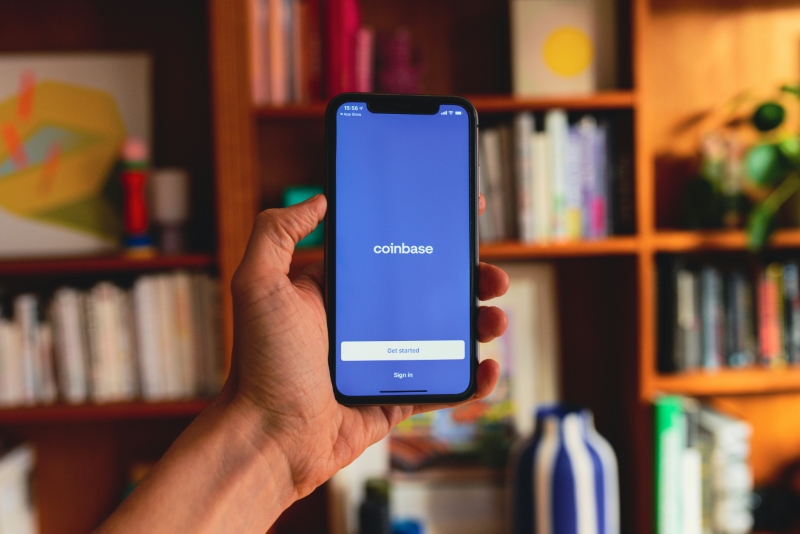
For example, Coinbase’s expanded staking ecosystem offers 152 assets with APYs up to 12%, including staked Ethereum (stETH) that’s liquid - meaning you can trade these tokens while still earning rewards. That’s a big deal because traditionally staking meant locking assets like in a vault, but now you can flexibly use them in DeFi too [1][3].
Over on the derivatives side, exchanges like MEXC and BitMEX let traders pump up their risk with up to 200x leverage on various pairs - a double-edged sword if there ever was one [2]. BitMEX has cleaned up its past "wild west" rep by embracing compliance, but still entices with lightning-fast execution and diverse contracts.
? The Real Deal With Market Mechanics Behind These Products

If you think of these products as bling on a crypto exchange’s crown, then market mechanics are the gears behind the throne. Let’s unpack some:
Dominance cycles: Bitcoin’s market dominance tends to ebb and flow, typically surging during bear cycles as investors seek safety, then shrinking in bull runs as altcoins and derivatives gain traction. Note how during the early 2021 altseason, BTC dominance hit lows around 40%, coinciding with explosive growth in derivatives volume and staking activity across altcoins [Chart from CoinMarketCap, Jan-May 2021]. This dynamic pushes exchanges to widen their derivatives offerings on top altcoins and roll out staking rewards to draw capital away from BTC.
ADX (Average Directional Index): Traders often use ADX to gauge trend strength. When crypto’s ADX spikes above 25, it often signals a decisive market move - and increased derivatives trading. A trader I spoke to noted: “The two big ADX spikes around May 2021’s blow-off top were eerily similar to those in late 2022, right before big liquidation cascades hit.” Understanding ADX signals is gold for timing entries in leveraged contracts.
Liquidation cascades: Anyone who’s traded futures knows liquidation cascades can tank a market fast. In May 2022, after ETH swan-dived into the $1,200 area, over $300M liquidation swept BitMEX and Bybit in hours. Derivatives-heavy exchanges quickly innovated with better risk management frameworks and circuit breakers to reduce systemic shock. This arms race is now about offering tantalizing leverage without tanking the platform’s reputation or user base.
These mechanics explain a lot why exchanges are constantly tweaking their derivatives and staking product sets to manage risk and grab eyeballs.
? Staking’s Glow-Up and Liquidity Magic
Back in 2022, I held ADA through that brutal 60% dump. It was a gut punch, but staking kept my bag afloat with a modest APY. Now, staking is on steroids with innovations like liquid staking.
What’s liquid staking? Think Lido’s stETH tokens - when you stake ETH, you get stETH in return, which is tradable, lendable, and usable in DeFi apps while still earning staking rewards. Coinbase Prime and Binance have jumped into this liquid staking race [1]. That’s game-changing because liquidity has always been staking’s Achilles’ heel.
Stakers no longer have to choose between locking up assets or active usage. Plus, exchanges often take validator fees as a cut, but the rewards still beat sitting idle. The whales ain’t sleeping, fam. They’re rotating between derivatives for quick gains and staking for steady yield.
? Exchange Strategies: Play Both Sides of the Street

Exchanges like Binance and OKX have built sprawling ecosystems combining spot, derivatives, staking, and DeFi integration. OKX, for instance, highlights:
- 150x leverage with trading bots and copy trading for derivatives aficionados
- One-click staking and on-chain Earn products for passive income seekers
- Zero-convert fees and low spot fees to attract all tiers of traders
Then there’s MEXC, quick to list new tokens and launch staking programs, appealing to altcoin hunters who want early access [2][4]. Meanwhile, Kraken remains the go-to for cheaper fiat onramps but with less staking flair [5].
What’s the secret sauce? Diversify your product line to capture different risk appetites and keep customers glued to the platform ecosystem.
? Spotting Opportunities & Avoiding Pitfalls
You’ve seen this before, right? BTC teasing breakout then faking out. These products allow you to play multiple game plans simultaneously, but with complexity comes risk:
- Excessive leverage can wipe you out. Traders must watch liquidation thresholds.
- Staking APYs can vary wildly with market conditions and protocol upgrades.
- When ETH just says “nope” to resistance resistance, derivatives traders scramble, and staked tokens can lag.
- Regulatory scrutiny keeps tightening; your favorite exchange might also shift strategies in a blink.
The advice from a seasoned trader I caught at a recent conference? “Never underestimate how fast dominance shifts and sentiment flips, especially around macro news and halving cycles.”
Charts & Live Data Snapshot
| Exchange | Top Derivatives | Staking APY Range | Leverage Max | Notable Features |
|---|---|---|---|---|
| Coinbase | Futures (limited) | 1.5%-12% | N/A | Liquid staking (stETH), broad assets, user-friendly |
| Binance | Futures, options | 3%-15% | 125x | Integrated DeFi, launchpads |
| MEXC | Perpetual futures | 4%-10% | 200x | Fast listings, copy trading |
| OKX | Futures, options | 2%-8% | 150x | Trading bots, zero convert fees |
Source: CoinMarketCap, TradingView, Platform Reports (Aug 2025 snapshot)
Curious yet? Crypto exchanges aren’t just platforms anymore - they’re entire ecosystems battling for your attention and capital, mixing risk, yield, and innovation in a wild cocktail. Whether you’re a derivatives daredevil or a staking steady-earner, knowing the terrain makes all the difference.
FAQs on How Crypto Exchanges Are Competing With New Derivatives and Staking Products
Q1: What makes crypto derivatives attractive to traders?
A1: Derivatives let traders speculate or hedge prices with leverage, amplifying profits (and risks). They don’t require owning the actual crypto, offering flexibility and opportunities to profit in both bull and bear markets.
Q2: How does staking on exchanges work?
A2: You lock your tokens in the exchange’s staking program, supporting network operations in proof-of-stake blockchains, and earn periodic rewards. Some platforms offer liquid staking, letting you trade staking tokens while still earning yield.
Q3: What is liquid staking and why is it important?
A3: Liquid staking issues tradable tokens representing your staked assets, so you retain liquidity and can participate in DeFi while earning staking rewards. It solves the old problem of funds being inaccessible during lockups.
Q4: How do market mechanics like dominance cycles impact derivatives and staking?
A4: When Bitcoin dominance shifts, it affects where capital flows - altcoins, derivatives volume, and staking participation trend accordingly. Strong trend signals like ADX can predict volatility spikes, impacting liquidation risks.
Q5: Are there risks involved with derivatives on crypto exchanges?
A5: Definitely. High leverage raises liquidation risks, especially during volatile moves. Understanding risk management, keep margin calls in mind, and never overexpose your positions.
Q6: How are major exchanges differentiating their staking and derivatives offerings?
A6: By expanding asset varieties, introducing liquid staking, offering deeper leverage, integrating DeFi features, and rolling out copy trading or automated bots, they target diverse trader and investor profiles.
crypto staking platforms
crypto derivatives trading
liquid staking tokens






