
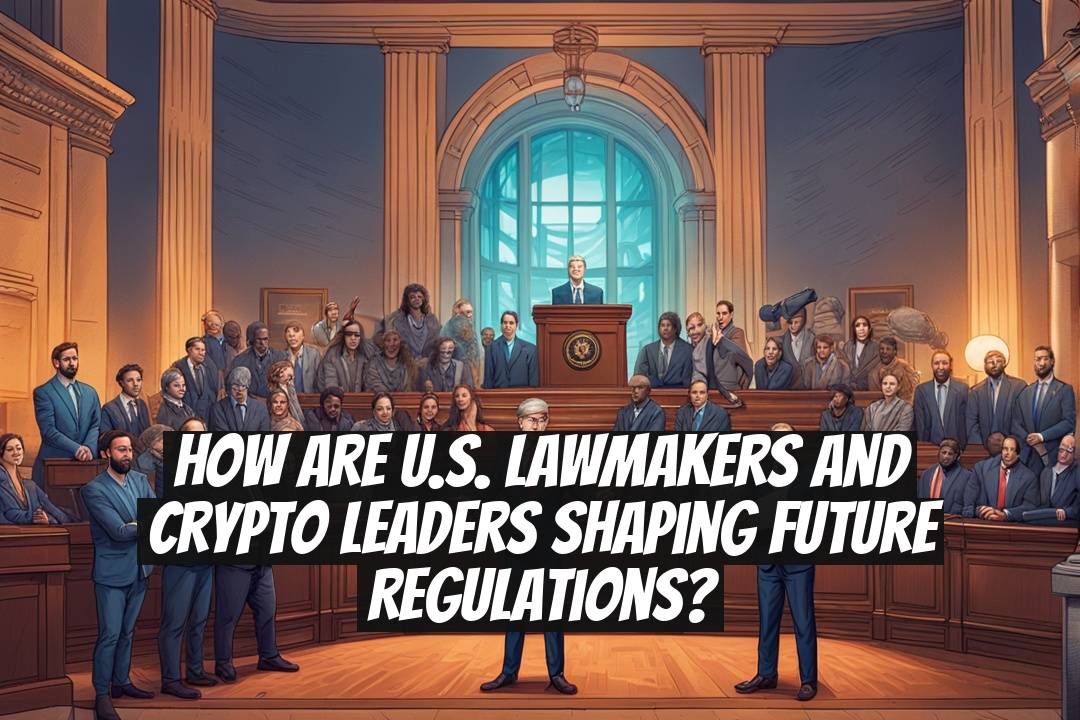
Why U.S. Lawmakers and Crypto Leaders Are Stirring the Regulatory Pot Right Now
If you’ve been anywhere near crypto Twitter or a blockchain conference lately, you know the phrase “crypto regulation” has become the new buzzword du jour. But behind the headlines and hot takes lies a complex dance between U.S. lawmakers and crypto leaders that’s shaping future regulations in a way that could redefine how Americans-and maybe the entire world-interact with digital assets. So, how exactly are these power players-from Capitol Hill to Coinbase HQ-crafting the framework that will govern our favorite tokens? Let’s dive in, and don’t worry, I’ll keep the jargon light and the tea hot.
Picture this: Senate Democrats sitting down with the likes of Coinbase’s Brian Armstrong, Ripple’s Brad Garlinghouse, and Uniswap’s Hayden Adams. They’re hashing out how to untangle the regulatory mess where different agencies like the SEC and CFTC keep stepping on each other’s toes[1]. Meanwhile, legislative breakthroughs like the GENIUS Act are marking some serious firsts in crypto law by focusing on consumer protection and clarity for stablecoins[3]. If you’ve ever wondered why every crypto headline seems to mention new "bills" or "acts" these days, it’s because 2025 is turning into the year when the U.S. really tries to get its regulatory act together[5].
This isn’t just talk. It’s a high-stakes game involving market mechanics, agency turf wars, and yes, whales eyeing how rules might shift the rug from under everyone. So grab your coffee or Gatorade, and let’s chat about the future of crypto regulation in the U.S.-and how it all might affect you and the market’s next big moves.
Subscribe to our Social Media for Exclusive Crypto News and Insights 24/7!
Key Takeaways
- Bipartisan roundtables with crypto execs aim to define clear regulatory jurisdiction, easing SEC and CFTC’s tug-of-war[1].
- The GENIUS Act (signed into law) sets strict rules for stablecoins, including 100% backing and consumer safeguards[3][5].
- The Clarity Act, awaiting Senate review, tries to draw lines between security and commodity regulation to end confusion[6].
- Regulators plan sweeping rulemakings on crypto custody, alternative trading systems, and transfer agents in 2025[4].
- Market indicators and historical patterns (like liquidation waves and dominance cycles) are key to watching how regulations influence price action.
- Industry insiders warn some bills may entrench existing flawed business models with lighter oversight[6].
- The regulatory backdrop may provoke market shakeouts but also unlock clearer paths for innovation.
? Crypto CEOs and Lawmakers: A Love-Hate Relationship?
It’s almost like the start of a buddy cop movie-lawmakers and crypto leaders have to figure out how to work together or risk a total regulatory mess. And no, they’re not exactly besties yet. The recent roundtable where Coinbase’s Brian Armstrong, Uniswap’s Hayden Adams, and Ripple’s Brad Garlinghouse met with Senate Democrats showed just how eager the industry is for clear rules but also how wary they are of losing the fast innovation that made them famous[1].
Brian Armstrong put it bluntly: “We need one regulatory regime, please. The SEC and CFTC playing tug-of-war is a headache we just don’t have time for.” The SEC tends to treat most tokens as securities (think stocks), while the CFTC views many as commodities (more like gold or oil futures). Without clarity, exchanges face fines, enforcement actions, or worse-those infamous crypto winter sell-offs sparked by regulatory uncertainty. Armstrong’s plea ties into Republican proposals aiming for clear boundaries and Democrats wanting tougher DeFi oversight-the middle ground’s still TBD[1].
? The Landmarks: GENIUS Act & Clarity Act
Alright, so what’s on the books already? Enter the GENIUS Act, which President Trump signed earlier this year[3]. It’s the first comprehensive federal law targeting the stablecoin wild west. Imagine stablecoins backed 100% by liquid assets like dollars or Treasuries, public reserve disclosures, and marketing rules to stop shady “the government backs this” claims. Most importantly, it gives stablecoin holders priority claims if the issuer goes belly-up-a big deal for consumer protection.
Then there’s the Clarity Act, passed in the House and now waiting in the Senate. This baby wants to solve the age-old riddle: “Is this coin a security or a commodity?” That question decides whether the SEC or the CFTC takes the reins. Despite the praise, critics, including some former SEC staffers, worry it might just codify less stringent rules that let crypto platforms continue risky hybrid roles as custodians, brokers, and clearinghouses all at once-“it lets them keep doing what they want, but with a bit of oversight,” to quote a policy watchdog[6].
? Market Mechanics 101: Why You Should Care
Now, let’s get granular because regulation isn’t just suits talking policy-it blows through the charts and order books.
Dominance cycles: Bitcoin dominance has been on a rollercoaster, recently tugging back up to the 55% mark after ETH swan-dived from its 2024 highs. Why? Often regulatory news triggers quick rotations between Layer 1 coins like ETH and BTC, especially when DeFi oversight fears surface[CoinMarketCap data].
ADX movements: The Average Directional Index (ADX) has been flirting with the ‘strong trend’ threshold (above 25) for Bitcoin amid legislative updates. When you see ADX pushing higher on crypto charts while news drops about regulatory clarity, it’s like the market saying, “Alright, we see some order emerging, let’s get moving”-but with caution.
Liquidation cascades: Remember May 2022? The FTX collapse coincided with a tsunami of liquidations, pushing ETH below $1,000. The lessons there? Regulatory fear and unclear rules deepen liquidation cascades that trash the whole market. The hope is that clearer laws stop these panic rounds.
A trader I recently chatted with noted, “This whole 2025 regulatory sprint looks eerily like 2021’s blow-off top-everyone’s hyped, but beneath the surface, it’s messy, with huge swings and smart money rotating quietly.” The whales ain’t sleeping, fam-they’re gearing for the next chapter, betting on which tokens survive regulatory gatekeeping and which get squeezed out.
? Inside Scoop: What Experts Are Saying

I caught up with an ex-SEC policy guy who said this year’s developments could either be the “crypto industry’s big shot at legitimacy or its last wild rodeo before tighter chains.” He underscored that these laws represent a “shift from the Wild West to Wall Street Lite,” hinting that compliance will cost innovation some of its speed.
On the flip side, a DeFi founder I spoke with grumbled, “The project they launched is solid, but the regulatory framework feels like it bends to the industry’s favor, not to investor safeguards.” Their worry? The hybrid business models-where platforms act as exchange, custodian, and market maker-may continue with only cosmetic changes.
? What This Means for Investors Right Now
Let me share a quick personal flashback: In 2022, I held ADA through a brutal 60% dump. It sucked, but it taught me to always watch the legislative horizon. Because a single hearing or bill can flip the market.
So here’s the deal: If you’re holding ETH, BTC, or staking DeFi tokens, keep an eye on these factors:
- Upcoming SEC and CFTC rulemakings planned for this fall could impact exchange custody and offer rules[4].
- The implementation status of the GENIUS and Clarity Acts can send ripple effects through stablecoins and derivatives.
- Watch BTC dominance carefully; shifts often hint where capital is flowing amid regulatory news.
- Track liquidation levels and ADX on your TradingView to gauge market confidence amid the back-and-forth on Washington deals.
And don’t forget: when ETH just says “nope” to resistance (again), combine that price action with regulatory headlines for clues on what traders are really thinking.
? Looking Forward: The Regulatory Horizon
The biggest question lurking is whether these new rules breed genuine innovation or just standardize crypto into a more traditional financial system, potentially chilling DeFi’s explosive growth. But for now, the momentum is undeniable. After years of uncertainty, 2025 could be the watershed moment when the U.S. stops dragging its feet and says, “Here’s the rulebook, play by it or get out.”
Imagine holding SOL through future shocks under a clear regulatory regime-you might sleep easier at night rather than waking up to surprise exchange freezes or horror stories of rug pulls without redress. It’s a brave new crypto world, and the lawmakers and leaders are both trying to build the playground’s fences-even if no one’s quite sure where the swings end and the sandbox begins.
Now, let me ask you: How ready are you-your portfolio, your nerves, your trading plan-for the shakeups these regulations will bring? Because the market’s moving, and the rules are just catching up.
FAQs About How U.S. Lawmakers and Crypto Leaders Shape Future Regulations - Scroll Down for Clarity
Q1: What are the main goals of current U.S. crypto regulations?
A1: The primary aims are consumer protection, clear regulatory jurisdiction between the SEC and CFTC, and stable, transparent frameworks for stablecoins and digital asset trading. Recent laws like the GENIUS Act focus heavily on these areas.
Q2: How might new regulations affect crypto exchanges?
A2: Exchanges could face stricter custody, recordkeeping, and trading rules, necessitating more compliance measures. Unified regulation could reduce conflicting enforcement but might also increase operational costs.
Q3: What’s the SEC vs. CFTC debate about?
A3: It centers on which agency regulates what: The SEC wants to classify many crypto assets as securities, while the CFTC considers them commodities. This jurisdictional battle creates confusion and impacts enforcement.
Q4: Will these new laws kill DeFi innovation?
A4: Not necessarily, but they likely introduce more oversight that could slow some protocols, especially those blurring roles like custody and exchange. The balance between innovation and regulation is still being negotiated.
Q5: How can investors prepare for regulatory changes?
A5: By staying updated on legislative developments, monitoring market indicators like Bitcoin dominance and ADX, and factoring regulatory risk into their trading strategies to avoid liquidation cascades during volatile periods.
Q6: What are stablecoins, and why do they matter in regulation?
A6: Stablecoins are crypto tokens pegged to assets like the U.S. dollar to reduce volatility. They’re central to regulation efforts because of their growing use in payments and DeFi, which raises concerns about consumer risk and systemic stability.
crypto regulation 2025
stablecoin regulation
SEC CFTC jurisdiction
- https://coincentral.com/crypto-executives-unite-with-lawmakers-to-shape-us-regulation-amid-legislative-stalemate/
- https://www.whitehouse.gov/fact-sheets/2025/07/fact-sheet-president-donald-j-trump-signs-genius-act-into-law/
- https://www.lw.com/en/us-crypto-policy-tracker/regulatory-developments
- https://www.ocorian.com/knowledge-hub/insights/crypto-week-2025-uncertainty-regulation-us-digital-asset-space
- https://www.icij.org/news/2025/07/landmark-cryptocurrency-legislation-passes-u-s-house-to-be-signed-into-law-by-president-trump/






