India tariff cut in US trade talks lifts export outlook
India’s tariff reduction in US trade talks is set to lower the reciprocal US tariff on Indian-origin goods to 18% from 25%, a move the White House said will be implemented under a new interim trade framework and that matters for exporters, manufacturers and investors watching bilateral trade costs.[3] The agreement also comes with India’s pledge to reduce tariffs on a broad range of US goods, while negotiations on a fuller bilateral trade agreement remain unfinished.[3]
Overview
- The White House said the United States will lower the reciprocal tariff on India to 18%, cutting a major source of pressure on Indian exporters and improving pricing visibility.[3]
- The framework follows a broader deal in which India will eliminate or reduce tariffs on U.S. industrial goods and several agricultural categories, which should support two-way trade flows.[3]
- The White House said India intends to buy more American products and purchase over $500 billion of U.S. energy, technology, coal and other goods, underscoring the scale of the commercial reset.[3]
- The deal is framed as an interim agreement, meaning implementation details and rules of origin still need to be finalized, leaving execution risk in place.[3]
- Indian government material said key export sectors including textiles, leather, gems and jewellery, agriculture, machinery and technology-driven industries stand to benefit from preferential access.[5]
- A trade framework that reduces tariff uncertainty can improve planning for exporters and multinationals, but the durability of the competitiveness boost will depend on the final agreement.[3][6]
Subscribe to our Social Media for Exclusive Crypto News and Insights 24/7!
India tariff reduction in US trade talks
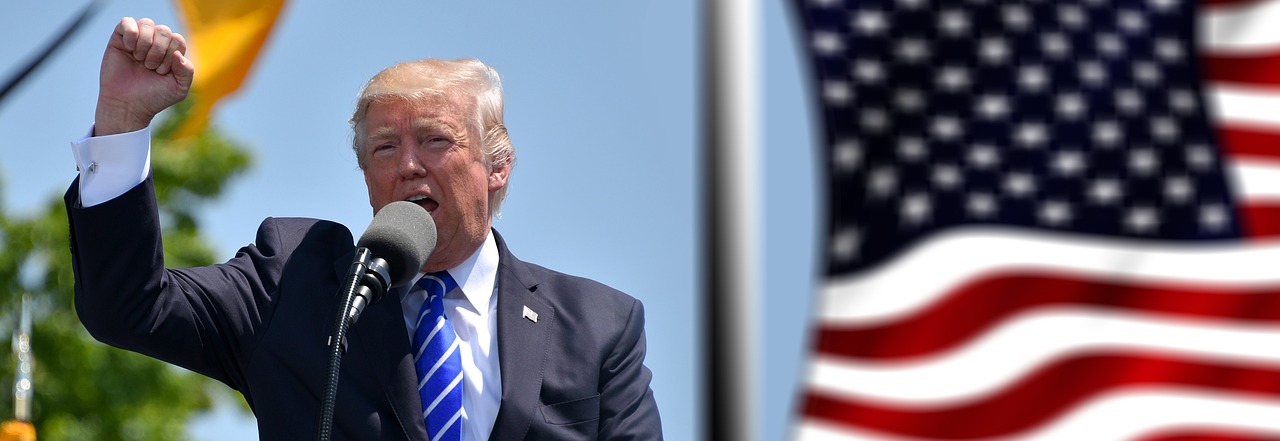
The tariff cut is the central market signal in the India tariff reduction story. The White House said the United States will lower the reciprocal tariff on India from 25% to 18% after President Donald Trump and Indian officials announced a trade deal framework in February 2026.[3] The same fact sheet said the United States will remove an additional 25% tariff tied to India’s purchases of Russian oil, while India will address tariff and non-tariff barriers on U.S. goods.[3]
That mix matters because it changes the near-term cost structure for Indian exports to the U.S. market. Indian industry groups and government material described the agreement as improving access for sectors such as textiles, leather, machinery, home décor and pharmaceuticals, while noting that India’s total exports to the United States reached $86.35 billion in 2024.[5]
| Item | Before | After | Market implication |
|---|---|---|---|
| Reciprocal tariff on Indian goods | 25% | 18% | Lower landed cost for Indian exporters[3] |
| Additional tariff linked to Russian oil purchases | 25% | Removed | Reduces policy overhang on shipments[3] |
| India’s export relationship with the U.S. | N/A | Ongoing framework | Improves visibility for trade planning[3] |
Export competitiveness improves, but execution still matters

India’s tariff reduction in US trade talks is being read as a competitiveness reset rather than a completed trade regime. The Indian government said the framework gives Indian exporters more predictable access to the U.S. market, with preferential treatment on a wide set of products and reduced tariffs on large value buckets of exports.[5] India Briefing said the cut should ease export pressure and restore competitiveness versus regional peers, though that assessment remains tied to how fully the framework is implemented.[6]
Market participants view the lower tariff as important for pricing. When tariffs fall, exporters can either keep more margin or pass through part of the savings to buyers, which can help preserve market share in price-sensitive categories. That effect is most visible in labor-intensive and mid-value manufactured goods, where small changes in landed cost can decide sourcing decisions.
| Sector | Reported treatment | Likely relevance |
|---|---|---|
| Textiles and apparel | Covered under framework[3][6] | Higher sensitivity to landed-cost changes |
| Leather and footwear | Covered under framework[3][6] | Competes directly with other Asian exporters |
| Organic chemicals | Covered under framework[3][6] | Margin impact depends on final tariff schedule |
| Home décor and artisanal products | Covered under framework[3][6] | Benefits from improved U.S. shelf economics |
Analysts note that the strongest near-term effect is on export planning, not just spot shipments. The tariff reset reduces one layer of policy uncertainty that had built up through 2025, but companies still face the risk that the interim framework evolves before a final bilateral agreement is signed.[2][3]
Trade opening cuts both ways
The deal is not one-sided. The White House said India will eliminate or reduce tariffs on U.S. industrial goods and a wide range of food and agricultural products, and that both countries will negotiate rules of origin to ensure the benefits accrue mainly to the two parties.[3] That means the framework could reshape sourcing patterns in both directions, not just India’s outbound trade.
For investors, the key issue is whether the tariff change translates into better earnings durability for exporters. A lower tariff burden can support margins, but the benefit may be offset if freight costs rise, if the final rules narrow product coverage, or if implementation lags the announcement.[2][3] That uncertainty is material because the agreement is still interim, and the exact legal and customs treatment of some goods has not been fully settled.[2][3]
From a market-structure angle, the agreement may also influence where multinational firms place production. If India remains at or below the tariff levels facing regional peers, it becomes easier for global buyers to justify Indian sourcing on cost grounds. India Briefing said the tariff rollback restores competitiveness across key export sectors, while also improving visibility for foreign investors and manufacturers with supply chains in the country.[6]
What comes next for India tariff reduction in US trade talks
The next phase is execution. The White House said the two sides will work in the coming weeks to implement the framework and finalize an interim agreement that can anchor a broader bilateral trade agreement.[3] Until then, the main risk is that the announced tariff relief does not map cleanly into customs practice, leaving exporters with more headline relief than immediate operational change.[2][3]
If the interim deal is fully implemented, India’s export competitiveness should improve most in price-sensitive categories and in sectors where U.S. buyers can switch suppliers quickly. If negotiations stall, the tariff reduction may still reduce uncertainty, but the longer-term trade and investment case would be weaker than the initial announcement suggests.[2][3]
- https://www.whitehouse.gov/fact-sheets/2026/02/fact-sheet-the-united-states-and-india-announce-historic-trade-deal/
- https://www.morganlewis.com/pubs/2026/02/us-india-trade-deal-cuts-tariffs-eases-tensions
- https://www.india-briefing.com/news/us-india-interim-trade-agreement-18-percent-tariff-42514.html/
- https://www.india-briefing.com/news/india-us-trade-deal-tariff-cut-export-investment-outlook-2026-2-42367.html/
- https://static.pib.gov.in/WriteReadData/specificdocs/documents/2026/feb/doc202629783101.pdf
- https://www.bloomberg.com/