
Why Are Coinbase’s Risk Models Raising Eyebrows in the Crypto World? ?
If you’re involved in crypto or thinking about diving in, you might have heard some buzzing about Coinbase’s risk model potentially putting users in jeopardy. The word "risk model" might sound like tech jargon, but it’s essentially how Coinbase assesses and manages the risks tied to user security and transactions. In 2025, major security hiccups and insider threats have thrust this topic into the spotlight. So, what’s really going on, and what does it mean for your crypto assets and the broader market? Let’s unravel this complex puzzle together.
Key Takeaways:
- Coinbase experienced a significant insider breach in 2025, exposing personal data of approximately 70,000 users due to bribed support staff.
- Sophisticated phishing attacks and social engineering threaten user security beyond just technical vulnerabilities.
- Regulatory pressures from the SEC and evolving crypto laws increase operational risks for Coinbase and user trust challenges.
- Coinbase’s technological infrastructure stayed resilient, but human element vulnerabilities exposed critical gaps.
- Users must adopt personal security practices-like hardware keys and vigilance against scams-to complement platform safeguards.
- The breach impacts investor confidence in centralized exchanges and sparks wider industry discussions around security models.
Subscribe to our Social Media for Exclusive Crypto News and Insights 24/7!
? Inside the Coinbase Risk Model: What Went Wrong and Why It Matters
Coinbase, a dominant player in the U.S. crypto exchange scene, isn’t new to scrutiny-but 2025 has been rough. A high-profile data breach revealed a glaring vulnerability: insider threats. Essentially, some Coinbase customer support agents were bribed, leading to the leak of sensitive personal information of nearly 70,000 users[4]. While no direct theft of crypto assets occurred, this data fueled sophisticated scams targeting those users, seriously jeopardizing their holdings through social engineering.
This incident peeled back the veil on Coinbase’s risk model-while their technical infrastructure is solid, the human factor remains a weak link. Insider threats like these highlight a fundamental challenge for the crypto market: even bulletproof tech is powerless if trusted insiders are coerced or compromised[2].
From an analyst’s perspective, the incident exposes the limits of conventional risk models that focus heavily on perimeter cybersecurity but often gloss over internal operational risks. It’s a wake-up call not only for Coinbase but for all centralized exchanges that handle massive amounts of user data and funds.
?️️ Phishing Attacks and Social Engineering: The Real Game Changers for User Security
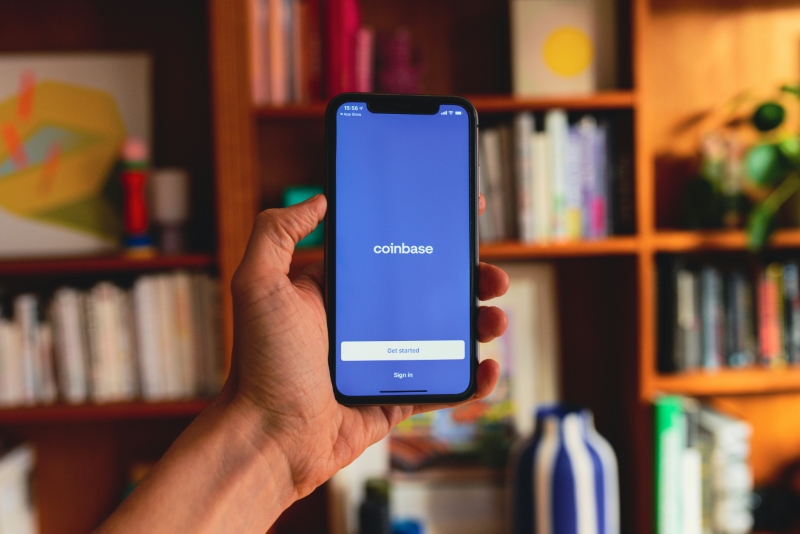
In parallel, Coinbase users are battling a surge in highly sophisticated phishing tactics. Fraudsters deploy fake withdrawal codes, mimic official communications, and spoof domains like “colnbase” instead of Coinbase to trick users[1]. These scams prey on the human psyche, making trust an increasingly fragile commodity.
This social engineering wave isn’t just a nuisance-it directly erodes confidence and puts funds in real jeopardy. It underscores a major blind spot: risk models must integrate behavioral and educational components, not just tech defenses. Coinbase has ramped up user education campaigns, but as users often reveal, it’s a steep climb to stay ahead of crafty scammers[1].
For investors, it’s essential to realize Coinbase’s security efforts are evolving but cannot eliminate user risk alone. Vigilance, skepticism, and protective behavior remain the best defense against phishing.
️ Regulatory Firestorm and Its Ripple Effect on Coinbase’s Risk Landscape

Another layer complicating the scene is the regulatory scrutiny intensified by the SEC’s Project Crypto[1]. Compliance costs are soaring, and legal ambiguity looms large. Coinbase’s institutional clients and retail users alike face uncertainty as regulations shift.
This regulatory pressure indirectly stresses the risk model by increasing operational complexity, compliance risks, and subsequently, user trust challenges. Heavy fines or policy shifts can impact investment flows and platform viability, making risk management a multifaceted puzzle blending tech, people, and policy.
? Practical Tips: How Can Investors Navigate Coinbase’s Risk Landscape?

Here’s where things get personal. If you’re using Coinbase or any crypto exchange, a few practical steps can substantially reduce your exposure:
- Enable all advanced security features like two-factor authentication and hardware security keys (e.g., YubiKey).
- Educate yourself continuously about phishing scams, suspicious links, and social engineering tactics.
- Monitor account activity frequently, and set up alerts for withdrawals or wallet changes.
- Diversify your holdings across platforms or use cold wallets to reduce single points of failure.
- Verify official Coinbase communications independently before acting on requests via emails or calls.
- Use unique, strong passwords and change them periodically, avoiding reuse across platforms.
These steps build a defense-in-depth strategy where your behavior complements Coinbase’s platform security.
️ Analyst Insights: What Does This Mean for the Crypto Market?
From my viewpoint as a crypto analyst, Coinbase’s 2025 security challenges expose a pivotal truth: in crypto, trust is the real currency. The technology may be revolutionary, but users still rely on human infrastructure-support teams, compliance officers, and developers-to keep assets safe.
The breach and risk miscalculations at Coinbase ripple across markets, shaking investor confidence not only in Coinbase but in other centralized exchanges as well. It’s no surprise that decentralized finance (DeFi) alternatives gain appeal, offering trustless models free of insider risks. However, DeFi has its own risks, so there’s no perfect solution yet.
Furthermore, the incident pushes the entire ecosystem toward better cybersecurity practices, regulatory clarity, and transparency. Exchanges that can demonstrate robust risk modeling blending technology, insider threat mitigation, and user education will likely become more trusted hubs, attracting cautious investors.
? A Little Crypto Humor While We’re at It
If Coinbase’s risk model was a movie, it’d be a thriller: “Inside Attack: The Human Factor.” But unlike Hollywood, the stakes here are no fiction-real money, real people, real trust. So yes, your crypto “plot twist” might just involve a phishing scam or an insider gone rogue. Stay alert or your coins might end up in the villain’s wallet!
? Parting Thought: Can Centralized Exchanges Truly Secure Their Users?
The juxtaposition is stark-blockchain’s cryptographic security versus the human fallibility of exchange operations. Coinbase’s experience asks the crypto community: Can centralized platforms ever fully control the human risk element, or is a paradigm shift inevitable? This question challenges investors and operators alike to rethink trust in the age of digital assets.
If you’re an investor, taking control of your security practices isn’t just wise-it’s vital. And for those watching Coinbase closely, this is a reminder that the risk model isn’t just algorithms and firewalls: it’s people, process, and purpose aligned to guard your digital wealth.
Coinbase risk model
Coinbase security breach
Crypto phishing attacks
Sources:
- https://www.ainvest.com/news/coinbase-security-challenges-regulatory-uncertainty-2025-2509/
- https://www.inneractiv.com/blog/coinbase-data-breach-2025-insider-threat-attack-exposes-need-for-real-time-endpoint-security-and-dlp-solutions
- https://wundertrading.com/journal/en/learn/article/is-coinbase-safe
- https://aurpay.net/aurspace/coinbase-customer-data-leak-security-lessons/
- https://www.cm-alliance.com/cybersecurity-blog/cracking-the-coinbase-breach-what-went-wrong-and-what-we-can-learn