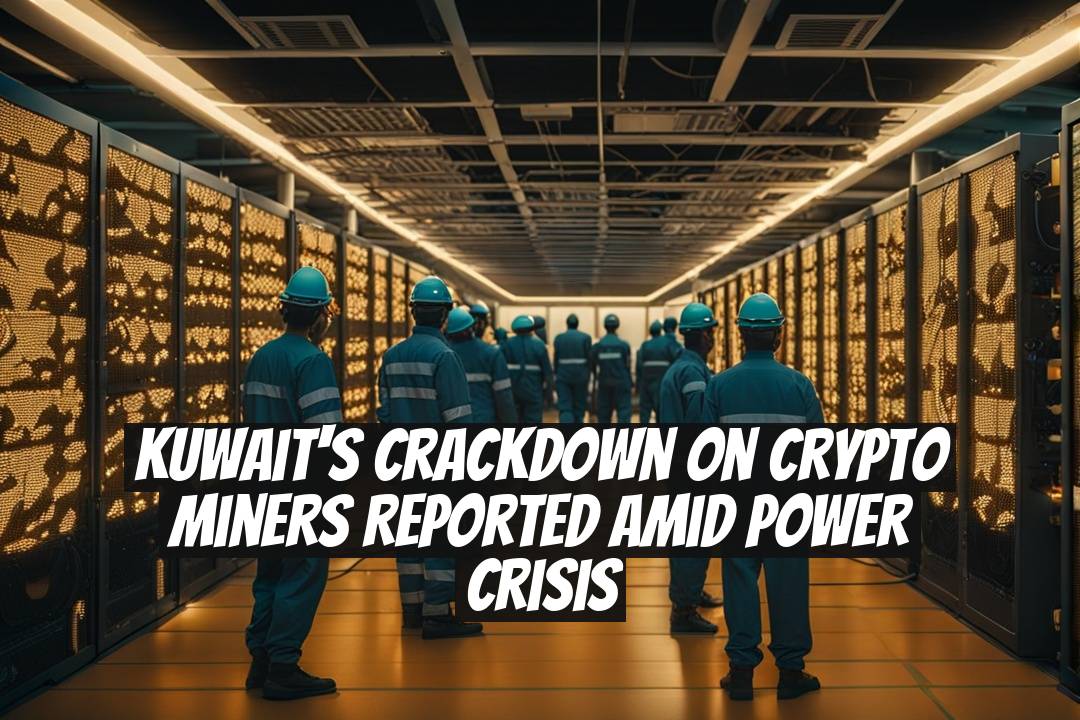
? Kuwait’s Crypto Ban: A Tipping Point for Miners and Investors?
Hey there! So, I recently stumbled upon this fascinating news about Kuwait cracking down on cryptocurrency miners, and let me tell you, it’s a bit of a game-changer. As a young analyst from India focused on crypto, it’s not just about the numbers; it’s about what this means for the global market. ?
Key Takeaways:
- Kuwait’s crackdown targets homes used for illegal mining due to a power crisis.
- The country accounts for 0.05% of global bitcoin mining, but every bit counts in a small nation.
- Authorities are aiming to reduce energy consumption, especially with soaring summer temperatures.
- Despite a ban on crypto trading, there are no laws specifically against mining.
- Other regions, like Dubai, are embracing the crypto wave while Kuwait takes a step back.
Subscribe to our Social Media for Exclusive Crypto News and Insights 24/7!
A Power Crisis and Crypto Clash
Kuwait is currently enduring a significant power crisis. High temperatures, population growth, and delayed maintenance of power plants are leading to blackouts-definitely not what you want in a country known for its scorching summers. With energy prices being incredibly low, it’s no surprise that people have started mining cryptocurrency in their homes, often consuming much more power than necessary.
The government announced that part of the issue was due to crypto mining, which apparently poses a direct threat to public safety. Can you even imagine? One minute you’re setting up that shiny new miner rig, and the next, you could be at risk of contributing to a power outage in your neighborhood.
The Numbers Game ?
While Kuwait’s share of global bitcoin mining is just 0.05%-a tiny fraction-Alex de Vries-Gao, a respected researcher, emphasized that even small contributions can have a significant impact, especially given Kuwait’s limited total electricity consumption. It’s kind of like a small leak in a bucket-you hardly notice it until your whole floor is soaked!
In Al-Wafrah, a locality where around 100 homes were reportedly mining, the energy consumption dropped by 55% following the crackdown. That’s insane! Imagine how much power we could save if all miners were operating under stricter regulations? ?
The Legal Landscape: What’s Going On? ?️️

The weird twist? Kuwait has banned cryptocurrency trading but lacks specific laws against mining. It looks like the government is stepping in now, but it raises eyebrows about the future of crypto in the region. While Kuwait tries to regulate, places like Dubai are rolling out the red carpet for crypto conferences and investments. I mean, who wouldn’t want to attend one alongside Eric Trump, right?
From An Investor’s Perspective ?

So, what does this mean for investors? First off, if you’re thinking of diving into crypto, pay attention to legislation. This crackdown could be an indication of a trend that might ripple across other regions. If Kuwait, a nation known for its resources, is tightening the screws, what might happen in other areas dealing with energy crises? You might want to keep your eyes peeled for new mining regulations springing up around the globe.
Practical Tips for Investors ?
Keep Informed: Stay updated on any regulatory changes in countries where you are looking to invest. Set alerts for news or updates.
Diversify: Don’t put all your eggs in one basket. Look beyond Bitcoin and consider other cryptocurrencies, especially those that require less energy-intensive mining.
Energy Efficiency Matters: If you’re into mining, consider energy-efficient methods or locations with favorable energy policies.
Long-term Perspective: Think about how these regulations will shape the future of crypto. Short-term drops in the market can present buying opportunities.
- Network and Engage: Join communities or attend events-whether physical or virtual-where you can share insights and keep an ear to the ground on emerging trends.
Final Thoughts ?
Kuwait’s decision to clamp down on crypto miners is sending ripples through the cryptocurrency markets, signaling potential shifts in regulatory attitudes not just in the Gulf region but worldwide. It makes you wonder-will we see more countries take a similar path, or will they look to embrace blockchain technology in a more regulated manner? As always, it’s about staying informed and adapting to the rapidly changing landscape.
What are your thoughts? Do you believe there’s a bright future for crypto despite these hurdles?